

Relief is Here: Effective Physical Therapy for Back Pain

Back Pain Physical Therapy: 1st Step to Relief
Why Back Pain Physical Therapy is Your First Step to Lasting Relief
Back pain physical therapy is a proven, first-line treatment that helps you move better, reduce pain, and prevent future episodes through active exercise and expert guidance. If you’re dealing with low back pain, here’s what you need to know:
Quick Answer: What is Back Pain Physical Therapy?
- Approach: Focuses on active exercises, manual therapy, and education, not just rest or medication.
- Effectiveness: Can provide up to 60% improvement in pain and function.
- Timeline: Acute pain may need 1-2 visits; chronic pain often requires 8-12 sessions over 6-8 weeks.
- Key Benefit: 50% lower risk of needing surgery compared to other treatments.
- Best Results: Start within 14 days of pain onset for better outcomes and lower costs.
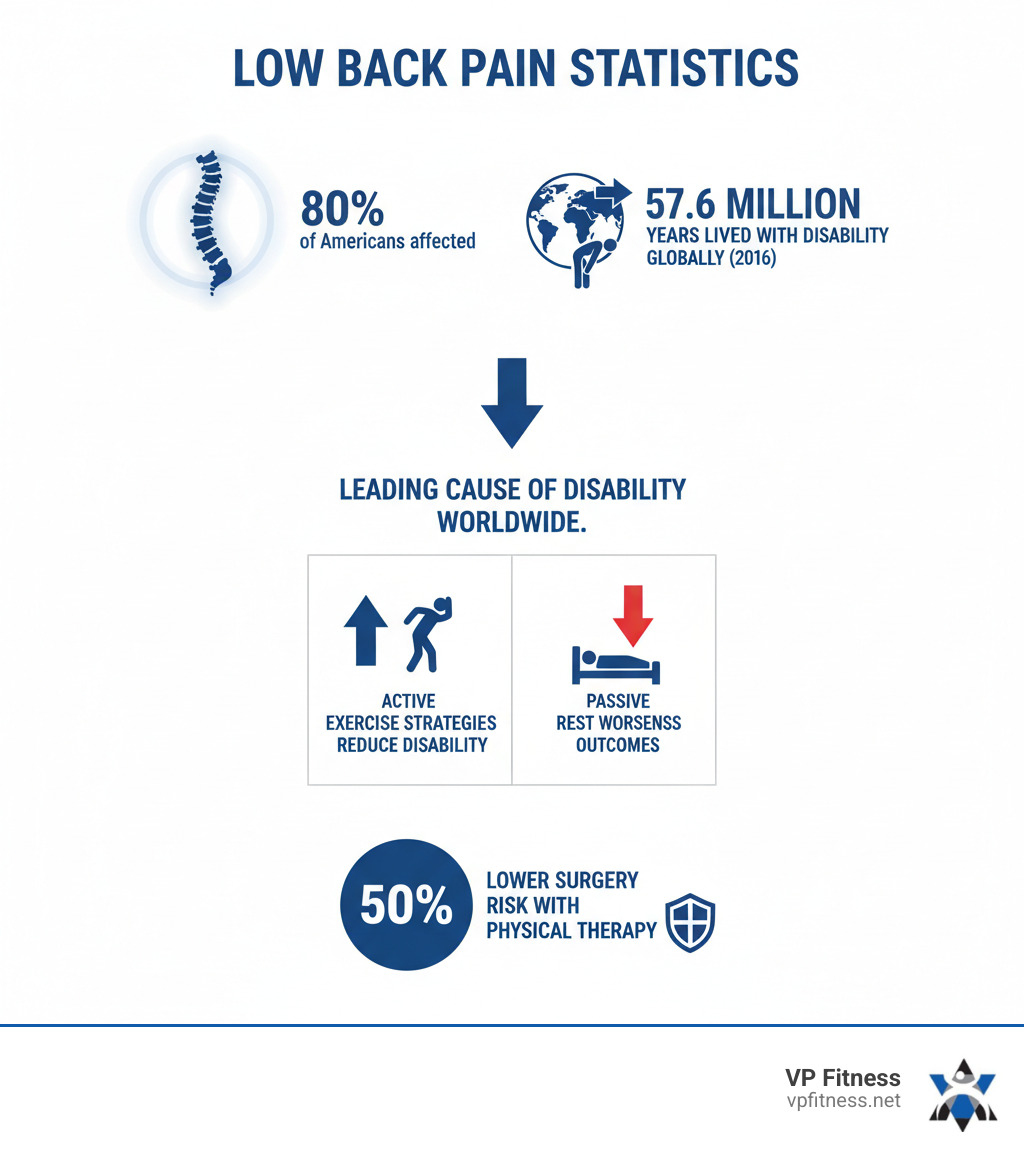
Low back pain is the leading cause of disability worldwide, affecting roughly eight in 10 Americans in their lifetime. The good news is that physical therapy offers a clear path to recovery without relying on medications or surgery.
Research shows that active strategies like exercise decrease disability, while passive methods like extended rest can make things worse. Modern physical therapy combines targeted exercises, hands-on techniques, and lifestyle guidance to address the root cause of your pain.
With over a decade of experience, I’ve seen how evidence-based training and the principles of physical therapy can transform a person’s quality of life by building stronger, more resilient bodies.
Understanding Your Back Pain and When to See a Physical Therapist
Not all back pain is the same. The ache from a workout differs greatly from a sharp, shooting pain down your leg. Understanding your pain type is the foundation of effective back pain physical therapy.
As physical therapist Jeffrey Houser, PT, notes, the first step is to determine the type and cause of the pain. This guides your entire recovery journey.
Acute pain hits suddenly and lasts less than six weeks, often from lifting something improperly or sleeping in an awkward position. Chronic pain lingers for three months or more, persisting even after an initial injury has healed.
The distinction between musculoskeletal pain (from muscles, ligaments, or joints) and neurologic pain (from irritated nerves) is also critical. Research in The Lancet30480-x) highlights the global impact of low back pain, underscoring why these distinctions matter.
Common types of nerve-related back pain include:
- Sciatica: A symptom, not a diagnosis, describing pain that radiates along the sciatic nerve from your lower back down your leg.
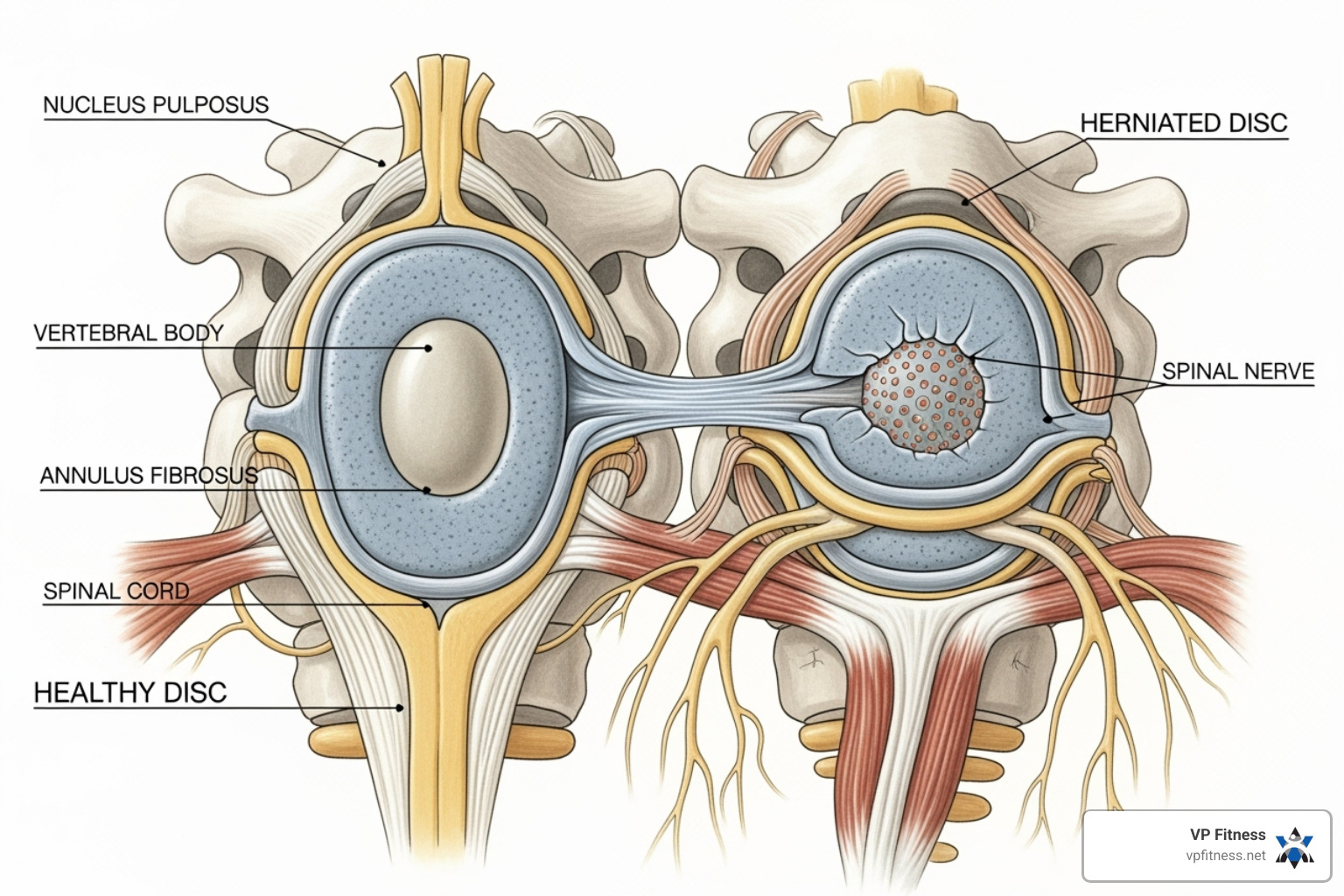
- Herniated Disc: Occurs when a spinal disc’s soft center pushes through its outer layer, pressing on nerves and causing pain, numbness, or weakness.
- Spinal Stenosis: A narrowing of spaces in your spine that puts pressure on the spinal cord and nerves, often causing leg pain or weakness when standing or walking.
If your low back pain lasts more than a couple of weeks, it’s time to see a physical therapist. They can determine if your pain is neurological or musculoskeletal, which dictates the treatment plan.
Seek immediate medical attention for red flags like: severe pain that doesn’t improve with rest, pain after a major trauma, tingling, numbness, or weakness in your legs, loss of bowel or bladder control, or fever with back pain.
The Critical Role of Early Intervention
The “wait and see” approach often backfires. Evidence shows that starting back pain physical therapy within 14 days of pain onset leads to better outcomes and lower healthcare costs. It’s about preventing acute pain from becoming a chronic problem.
Acting quickly is like fixing a small leak before it floods. Early intervention can lead to a 60% improvement in symptoms. Even better, patients who receive physical therapy have a 50% lower risk of needing surgery. This proactive philosophy is central to expert fitness coaching, where the focus is on building resilient bodies.
Differentiating Pain: Is It Muscular or Nerve-Related?
One of the first questions to answer is whether your pain is muscular or nerve-related, as this changes the treatment approach. As the Cleveland Clinic explains, the cause of your pain determines the best type of back pain physical therapy.
Axial back pain, or “nonspecific” back pain, often stems from muscles, ligaments, or spinal joints. It’s typically localized to the back but may spread to the buttocks. This type responds well to targeted exercise and postural correction.
Radiculopathy is pain from a compressed nerve root, with sciatica being the most common example. The pain travels down the leg, often past the knee, and may include numbness, tingling, or weakness. This can be caused by a bulging disc or spinal stenosis.
A professional diagnosis is essential. A physical therapist will conduct a thorough evaluation to identify the source of your pain, ensuring your treatment targets the actual problem, not just the symptoms.
The Core Components of Back Pain Physical Therapy
Your first back pain physical therapy session begins a journey designed around your specific needs. It’s not a one-size-fits-all approach.
It all starts with a thorough initial assessment. Your physical therapist will review your medical history, watch how you move, test your strength and flexibility, and discuss your daily habits. This comprehensive view helps us understand the person behind the pain.
Next is goal setting. Whether you want to pick up your kids without pain, return to a sport, or sit comfortably at work, your goals become our target. The focus is on decreasing symptoms and improving function.
Modern back pain physical therapy has moved beyond “rest and ice.” While passive techniques can offer initial relief, the real results come from your active participation.
- Manual Therapy: This is the hands-on work your therapist performs, using gentle mobilization or targeted manipulation to restore normal joint movement. It can provide remarkable relief for stiffness, especially from conditions like osteoarthritis.
- Therapeutic Exercise: This is the star of the show. Your therapist prescribes specific exercises to strengthen weak muscles, mobilize stiff joints, and retrain movement patterns. It’s about teaching your body to move better.
- Patient Education: Understanding your condition is half the battle. Your therapist will teach you about pain science, proper body mechanics, ergonomics, and safe ways to return to activities. The goal is to empower you to manage your back health long-term.

Active vs. Passive Approaches: Why Movement is Medicine
When your back hurts, your instinct may be to rest, but research shows this is often the worst thing to do. Active strategies like exercise decrease disability, while passive methods can make things worse over time.
Studies consistently show that patients in active back pain physical therapy programs have better outcomes than those relying on medication or rest. Exercise is now a first-line treatment for both acute and chronic low back pain. The importance of strength training for long-term health extends directly to protecting your spine.
Passive methods like heating pads or medication can provide temporary relief, but they only mask symptoms. They don’t fix the underlying weakness or stiffness. An active approach addresses the root cause. A skilled physical therapist can guide you, starting with safe movements and gradually progressing as you build strength and confidence. Movement is medicine, but it needs to be prescribed correctly.
What to Expect in Your First Back Pain Physical Therapy Session
Your first session is about investigation. Think of your therapist as a detective solving the mystery of your back pain. It starts with a detailed conversation about your pain, medical history, and lifestyle.
Next is the physical examination. Your therapist will conduct a movement assessment, watching how you bend, twist, and walk to find clues about your movement patterns. You’ll also undergo strength and flexibility testing to establish a baseline.
After gathering this information, your therapist will explain their findings and what can be done. Together, you’ll begin creating a Personalized Exercise Routine and setting recovery goals. A personalized exercise routine should always be rooted in your unique body and goals.
By the end of the session, you should have a clear understanding of your condition, a realistic recovery plan, and hope for a pain-free future.
Your Roadmap to Recovery: Key Exercises and Stretches
The heart of back pain physical therapy is targeted exercise. These movements are selected to address the root causes of your pain, whether it’s a weak core, tight muscles, or poor posture. The goal is to build a strong, stable foundation for your spine.
We aim to improve core strengthening, flexibility, mobility, and posture. A strong core means a supported spine that can handle daily demands. The following exercises are evidence-based movements that empower you to take control of your healing.

Foundational Exercises for General Low Back Pain
For general low back pain, a few foundational exercises can make a world of difference. These movements gently mobilize the spine and strengthen supporting muscles. Always prioritize proper form over the number of reps.
- Cat-Cow: On hands and knees, inhale as you drop your belly and lift your head (Cow). Exhale as you round your spine (Cat). This mobilizes the spine. Perform 5-10 reps, twice a day.
- Bird Dog: From hands and knees, engage your core and extend your right arm and left leg. Keep your back flat. This builds core stability. Do 8-12 reps per side for 2-3 sets.
- Bridges: Lie on your back with knees bent. Lift your hips until your body is in a straight line from shoulders to knees. This strengthens glutes and core. Hold for a few breaths and repeat 10-15 times for 2-3 sets.
- Pelvic Tilt: Lie on your back with knees bent. Flatten your lower back against the floor by tightening your abs. This engages deep core muscles. Hold for 5-10 seconds and repeat 5-10 times.
- Knee-to-Chest: Lie on your back and gently pull one knee to your chest to feel a stretch in your lower back. Hold for 5-10 seconds and switch legs. This releases tension.
These bodyweight exercises are excellent starting points. Listen to your body and be consistent.
Exercises to Modify or Avoid for Specific Conditions
Personalization is key, as some conditions require modifying or avoiding certain movements. This is why professional guidance is so valuable.
If you have a herniated disc, avoid excessive forward bending (like toe touches), which can increase pressure on the disc. Instead, focus on gentle extension exercises like the “Press Up on Elbows” to help centralize pain.
For spinal stenosis, the opposite is often true. Extension movements (arching the back) can worsen symptoms. Here, we prioritize flexion movements like a seated forward fold or child’s pose to open up the spinal canal.
The importance of professional guidance can’t be overstated. A physical therapist will diagnose your condition and prescribe safe, beneficial exercises. If you’re unsure or a movement causes pain, stop and consult a professional. Choosing the right personal trainer for your goals can also ensure you get expert, customized advice.
The Bigger Picture: Lifestyle and Long-Term Prevention
Back pain physical therapy extends beyond your sessions. Lasting relief comes from weaving healthy practices into your daily life. This is lifestyle medicine, and it’s essential for building a resilient back.
Think of therapy as learning the fundamentals. The real work happens at home, at your desk, and in your kitchen. How you sit, what you eat, and how you sleep all play a role in your spinal health. A functional fitness training philosophy accepts this holistic view, recognizing that true fitness is a 24/7 endeavor.
We’ll outline a realistic therapy timeline and, more importantly, prepare you to manage your back health independently to prevent future pain.
How Long Does Physical Therapy for Back Pain Take?
The timeline varies based on the severity and duration of your pain, your commitment to home exercises, and your overall health. However, we can provide general guidelines.
For acute back pain (lasting a few weeks), you may see significant improvement in just 1-2 visits. We’ll correct immediate issues and give you the tools to continue healing on your own.
Chronic back pain requires more consistency. Most people start with 2-3 visits per week, totaling 8-12 visits over 6-8 weeks, with many noticing improvement in that time. As you get stronger, we decrease the frequency of visits, transitioning you toward self-management. Building a consistent gym routine becomes your insurance policy against future pain.
Building a Resilient Spine: The Role of Lifestyle
A resilient spine is supported by a healthy lifestyle. These factors can make or break your recovery.
- Daily Movement: Our bodies are designed to move. Avoid being sedentary. Gentle movement throughout the day, like standing up to stretch or taking short walks, keeps your spine healthy.
- Desk Ergonomics: A poor workspace setup can sabotage your back. Adjust your chair, monitor, and keyboard to maintain a neutral spine. These simple tweaks prevent major problems.
- Anti-inflammatory Diet: What you eat matters. A diet rich in vegetables, fruits, lean proteins, and healthy fats can reduce inflammation. Understanding nutrition for muscle also helps build the strength your back needs.
- Sleep: Sleep is when your body repairs itself. The importance of sleep is paramount. We can guide you toward supportive sleep positions to improve sleep quality.
- Stress Management: Stress causes muscle tension, which leads to pain. Stress reduction techniques like deep breathing or mindfulness can break this cycle.
By addressing these lifestyle factors, you’re not just treating symptoms—you’re building a foundation for lasting health.
Frequently Asked Questions about Back Pain Physical Therapy
When you’re in pain, you have questions. Here are answers to the most common ones we hear about back pain physical therapy.
Is physical therapy better than medication for back pain?
Yes, for long-term results. While medication can offer short-term relief, it only masks symptoms. Physical therapy treats the root cause of your pain.
Through targeted exercise, manual therapy, and education, we strengthen weak muscles, improve flexibility, and teach you self-management strategies. Research consistently shows that patients in physical therapy have better outcomes than those treated with medication alone. Active strategies decrease disability, while passive approaches like medication can worsen your condition over time. You’re not just getting temporary relief; you’re building a stronger, more resilient body.
Do I need a doctor’s referral to see a physical therapist?
In most states, you don’t. This is called “direct access,” and it allows you to schedule an appointment with a physical therapist right away.
This is crucial because timing is everything. Patients who start physical therapy within 14 days of pain onset have significantly better outcomes and lower healthcare costs. Direct access means you get help faster, preventing acute pain from becoming chronic. However, it’s always wise to check your state’s regulations and your specific insurance policy, as some plans may still require a referral for coverage.
What if an exercise hurts during my physical therapy session?
Never push through sharp or increasing pain. Pain is your body’s signal, so if an exercise hurts, tell your physical therapist immediately.
Your therapist is an expert in biomechanics and can quickly modify the exercise, reduce the intensity, or find a better alternative. This isn’t a setback; it’s smart, personalized care. There’s a difference between the mild discomfort of a challenging muscle and pain that signals a problem. Your therapist will guide you through movements that are therapeutic, not harmful, ensuring both safety and effectiveness.
Conclusion
If you’re struggling with back pain, relief is within reach. Back pain physical therapy offers a clear, proven path that addresses the root causes of your discomfort, not just the symptoms. Through targeted exercises, hands-on techniques, and lifestyle adjustments, you can reclaim an active, pain-free life.
The evidence is clear: active treatment leads to better outcomes, lower costs, and a reduced risk of surgery. More importantly, it empowers you with the knowledge to manage your own health. That’s the power of physical therapy—it’s about building independence, not dependence.
Reading about these strategies is the first step; real change happens with action. Individualized training and guidance from an expert can help you meet your goals, whether you’re recovering from an injury or managing chronic pain. A comprehensive approach provides the support you need to succeed.
You don’t have to steer this journey alone. If you’re ready to take the next step, seeking professional guidance can help you build a stronger, more resilient you.