

Beyond the Burn: How Personal Training, HIIT, and Strength Workouts Transform You

Why Personal Training Is the Game-Changer You Need
The benefits of personal training extend far beyond what most people imagine. Many people feel lost in the gym, stuck in a plateau, or unable to stay consistent with their fitness routine.
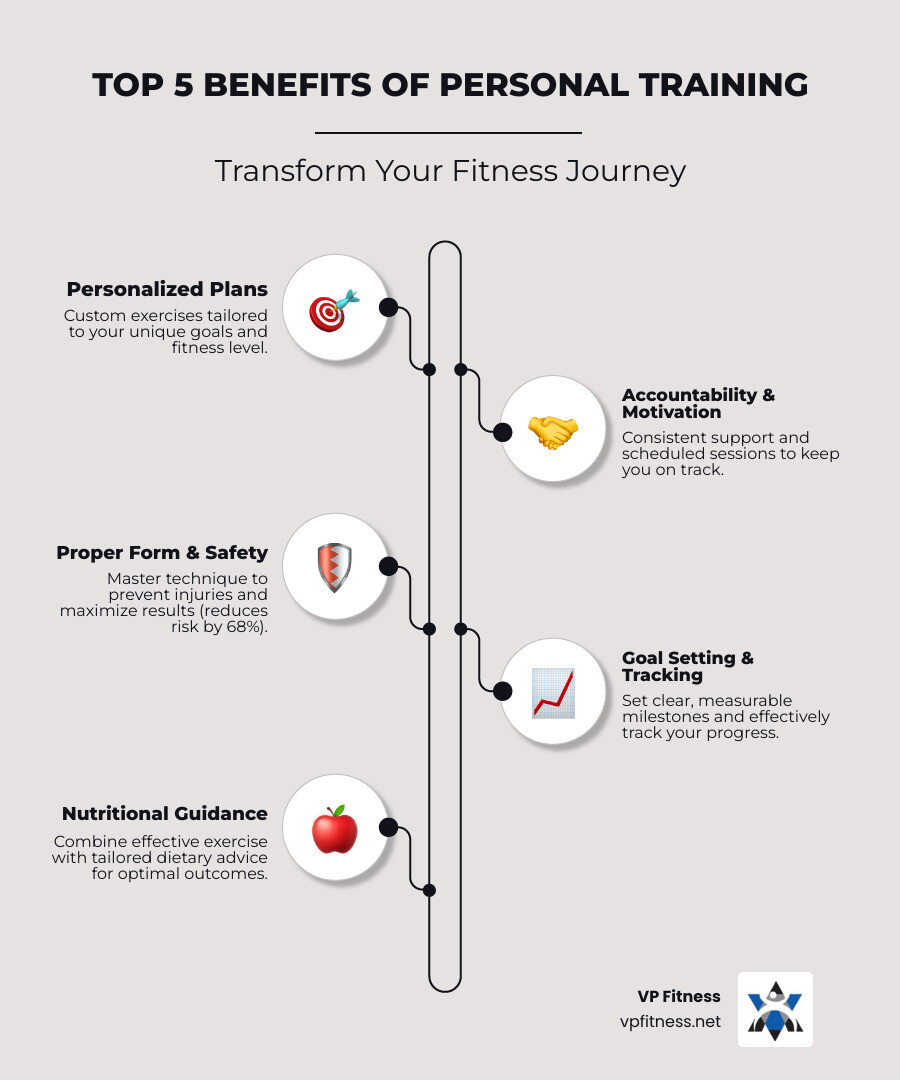
Key Benefits of Personal Training:
- Personalized workout plans custom to your specific goals and fitness level
- Accountability and motivation to maintain consistency
- Proper form instruction to prevent injuries and maximize results
- Goal setting and progress tracking for measurable improvements
- Nutritional guidance to support your fitness journey
- Mental health benefits including reduced stress and improved confidence
- Efficiency – get better results in less time with focused training
Research confirms that training with a personal trainer yields significantly better outcomes. One study found that participants working with trainers showed a 47% increase in squat strength and 1.61 kg of fat loss, compared to minimal changes in groups training alone or with partners.
The reality is simple: most people struggle with consistency, proper form, and choosing the right exercises for their goals. Personal training solves these problems while providing a crucial support system.
Your Blueprint for Success: Personalized Plans and Goal Setting
One of the most powerful benefits of personal training is getting a fitness blueprint designed specifically for your body, goals, and lifestyle. Just as you wouldn’t build a house without blueprints, your fitness journey deserves thoughtful planning.
A personal trainer assesses your unique body mechanics and starting point to create a roadmap to your goals. This personalized approach cuts through the noise of generic routines that may have left you confused or stuck on a plateau.
Research backs this up, showing that individualized resistance training programs are highly effective for addressing muscular imbalances, improving performance, and reducing injuries—benefits you can’t get from a cookie-cutter program.
With a trainer, you get strategic exercise variety that makes sense for your needs.
How a Trainer Creates a Plan Just for You
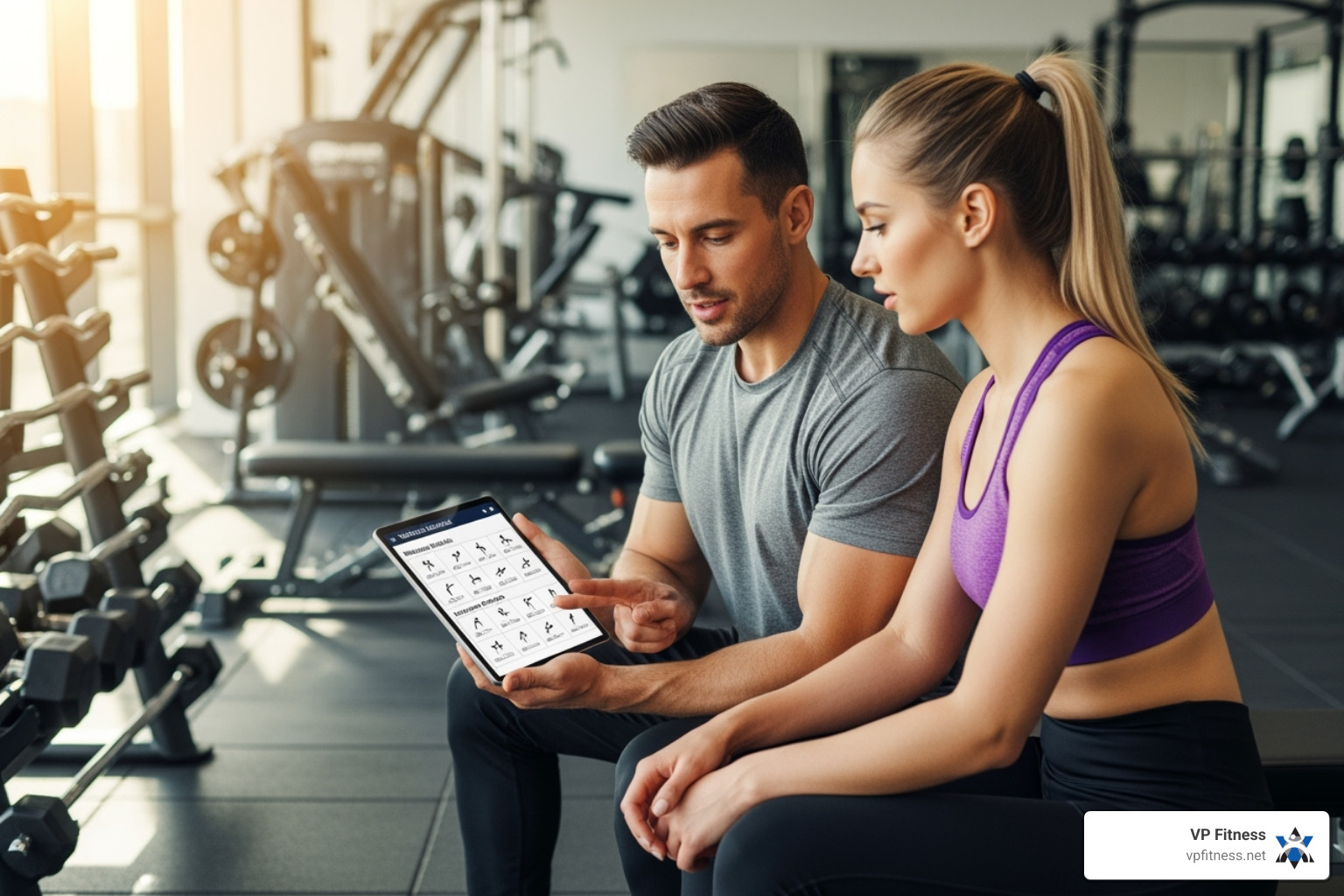
Your journey begins with an initial assessment where your trainer analyzes your movement, identifies weaknesses, and determines your current fitness level. They look for subtle imbalances, like how you shift your weight during a squat. These details are crucial for preventing injuries and ensuring you build strength correctly.
From there, your trainer designs a program that grows with you, incorporating progressive overload to ensure you keep getting stronger. Your plan might include strength training routines and HIIT workouts to boost cardiovascular fitness.
A great trainer also adapts to you. If you’re having a tough day, they’ll adjust the workout. If you’re feeling energized, they’ll capitalize on that momentum. This flexibility and attention to detail make all the difference.
Going Beyond the Workout: Nutritional Guidance
Personal trainers are also valuable resources for nutritional guidance. While not registered dietitians—and good trainers are clear about their scope of practice—they understand how food fuels workouts and recovery.
Your trainer can teach you the basics of macronutrient advice, such as protein for muscle growth, carbs for energy, and the importance of healthy fats. They can also provide practical hydration tips and meal timing suggestions that fit your schedule.
Since exercise alone isn’t always enough, your trainer helps you align your diet with your fitness goals. Research shows that combining exercise and calorie restriction yields the best weight loss results. This guidance ensures your nutrition supports, rather than hinders, your hard work in the gym.
The Power of Partnership: Accountability, Motivation, and Consistency
One of the most powerful benefits of personal training is accountability. We’ve all hit snooze on a 6 AM alarm or skipped the gym after a long day at work.
Having a scheduled appointment with a trainer changes the dynamic. It’s about showing up for someone who has planned your workout and is invested in your success. This external motivation is a secret weapon on days when your internal drive is low. Your trainer is the voice that says, “You’ve got one more rep in you” when your brain wants to quit.
An analysis on accountability and weight loss adherence found that people with more accountability support were significantly more likely to stick with their programs. This isn’t just a nice-to-have—it’s a game-changer.
A trainer helps you push your limits and rewire your approach to fitness, breaking you out of autopilot mode. They help you focus on building healthy habits, one session at a time. Every time you show up, you strengthen your “consistency muscle.”
This partnership extends beyond the gym. Knowing you’ll discuss your progress with your trainer encourages better choices throughout the day, helping you build an identity centered on health.
Developing a consistent lifestyle isn’t about perfection; it’s about progress. Your trainer understands that life happens and helps you get back on track quickly after an off day, preventing minor setbacks from derailing you completely.
Over time, this consistency builds into a natural routine. You start to crave the feeling of accomplishment and the confidence that comes from taking care of yourself.
Train Smarter, Not Harder: Mastering Form and Preventing Injury
Improper form is common in gyms and a primary reason why working with a personal trainer is a smart investment. One of the most valuable benefits of personal training is having an expert guide your movements to prevent injury.

Your trainer is a biomechanics expert who ensures you move correctly to maximize results. Even a “simple” squat involves complex mechanics. Your head position, back alignment, knee tracking, and foot placement all determine whether you’re building strength safely or risking injury.
A personal trainer provides real-time feedback, correcting subtle mistakes before they become bad habits. This instant coaching is impossible to get from a video or an app.
Proper technique isn’t just about safety—it’s also about efficiency. When your form is correct, you engage the right muscles and get better results from every rep.
Your trainer also teaches you how to use gym equipment correctly and listen to your body’s signals. This body awareness is a skill that develops over time, and an expert guide makes the process much smoother.
Research confirms this, showing that professionally guided training leads to significantly lower injury rates. For a deeper dive into proper movement, this detailed guide on proper squat form is a great resource. However, nothing replaces having an expert by your side.
Training smarter is better than training harder. With proper form, you’ll see better results, feel more confident, and enjoy your workouts more.
The Ultimate Upgrade: Comparing Training Outcomes
What happens when you invest in personal training versus going it alone? A 12-week study compared three groups: those training alone, with a partner, and with a personal trainer. The results highlight the clear benefits of personal training.
Here’s what happened after those 12 weeks:
| Outcome Measure | Training Alone | With a Partner | With Personal Trainer |
|---|---|---|---|
| Muscle Mass Gain | +0.33 kg (minimal) | +1.16 kg (good) | +1.38 kg (best) |
| Fat Loss | -0.39 kg (barely noticeable) | -0.51 kg (slight) | -1.61 kg (significant) |
| Bench Press Strength | 15% increase | 30% increase | 32% increase |
| Squat Strength | 25% increase | 35% increase | 47% increase |
| Following Nutrition Plans | Low | Moderate | High |
| Injuries | 188 incidents | 167 incidents | 60 incidents |
The personal trainer group saw dominant results, losing more than three times as much fat as the other groups. Their squat strength gains were particularly impressive, with a 47% increase—nearly double the improvement of solo trainers.
The data on injuries and nutrition plan adherence tells a similar story of success. With professional guidance, participants experienced far fewer injuries and were more likely to stick to their nutrition plans.
These comprehensive improvements in fat reduction, muscle mass increase, bench press improvement, and squat strength gains show why personal training delivers superior results. You can dive deeper into the study comparing training methods if you’re curious about the full details.
The Holistic Benefits of Personal Training: Mind, Body, and Confidence
The benefits of personal training go beyond physical changes like muscle gain or weight loss. Working with a trainer creates a ripple effect, improving everything from your mental clarity to your overall confidence.
While you’ll build a stronger body, you’ll also gain more energy, better sleep, and lower stress levels. This helps you handle life’s challenges with greater calm and resilience. Personal training addresses your whole self, building a foundation for long-term health and boosting your self-esteem.

The Mental Health Benefits of Personal Training
In today’s overwhelming world, personal training is a powerful tool for mental wellness. Guided exercise helps rewire your brain. Increased blood circulation helps reduce stress while improving mood and cognitive function.
Your trainer acts as a support system, adjusting workouts based on your mental state. Whether you’re stressed or low on energy, they can tailor a session to release tension or boost endorphins.
Research consistently shows the positive effect of physical activity on mental health, and a trainer amplifies these benefits. They help you build mental resilience by showing you that you’re capable of more than you thought. This strength follows you into every challenge you face.
Working with a trainer helps you create a positive routine that becomes an anchor in your day. This dedicated time for self-care acts as a built-in stress management system that gets stronger with every session.
Boosting Confidence and Self-Esteem
Achieving a fitness goal you once thought impossible, like a full push-up, is a powerful confidence booster. These milestone achievements, guided by your trainer, build confidence from the inside out.
As you get stronger, you start feeling stronger in every sense. Your posture improves, and your improved body image comes from appreciating what your body can accomplish, not just how it looks.
This gym confidence transforms into life confidence. You’ll feel more comfortable taking on challenges at work and in social situations. The physical changes you see and feel create a powerful positive feedback loop.
What’s particularly powerful is how gym success translates to daily life. The discipline, goal-setting, and consistency you develop are transferable skills that are foundational to success in any area of life.
Finding Your Perfect Match: What to Look for in a Trainer
To realize the full benefits of personal training, you must find the right trainer for your needs and personality. The right fit ensures you feel comfortable, motivated, and understood.

Certifications are a key indicator of quality. Look for credentials from reputable organizations like the National Academy of Sports Medicine (NASM), American College of Sports Medicine (ACSM), or National Strength and Conditioning Association (NSCA). These signify rigorous training in exercise science and safety.
During your consultation, ask about their process. A great trainer will inquire about your health history and use a screening tool like a Physical Activity Readiness Questionnaire (PAR-Q). This shows they prioritize your safety.
Experience with clients like you is crucial. If you have specific goals or are recovering from an injury, look for trainers with relevant specializations. Also, check their online presence for client testimonials and to get a feel for their training philosophy.
Scheduling flexibility is key to consistency. Find a trainer whose availability aligns with your lifestyle, whether you prefer early morning or evening sessions.
Understanding the Financial Benefits of Personal Training
Personal training is an investment, typically ranging from $75 to $125 per hour, with shorter sessions also available. It’s worth considering the value you receive.
You’re paying for efficiency, safety, and results. A trainer helps you avoid ineffective workouts and costly injuries from poor form.
Think of it as preventive healthcare. The long-term health benefits can save you money on future medical costs. When every minute of your workout is optimized, you save time while getting better results.
Many facilities offer group training options and package deals to make training more accessible. Viewing personal training as an investment in your long-term health and well-being helps put the cost into perspective.
Frequently Asked Questions about Personal Training
When considering the benefits of personal training, many people have similar questions. Here are answers to the most common ones.
How often should I see a personal trainer?
The ideal frequency depends on your goals, starting point, schedule, and budget. For beginners, once a week is often a great start. It provides consistent accountability and form instruction, and your trainer will give you workouts to do on your own between sessions.
If you have ambitious goals, you might start with two sessions per week. More experienced individuals might see a trainer bi-weekly or monthly for program updates. The schedule is flexible and can evolve with you.
Can a personal trainer help with a specific medical condition?
This is an important question. Personal trainers are not medical professionals and cannot diagnose or prescribe treatment. Their role is not to replace medical care.
However, a qualified trainer can work with your healthcare team to create a safe and effective program that accommodates your needs. Communication is key. A good trainer will ask for a detailed medical history and may request clearance from your doctor to ensure your safety.
With the right guidance, a trainer can help you design workouts that work with your body, making exercise safer and more enjoyable.
What’s the difference between personal training and group fitness classes?
Both personal training and group fitness classes are excellent options, but they serve different purposes.
Personal training is completely customized. The program, attention, and corrections are custom to your specific goals, body, and needs, making it ideal for addressing weaknesses or injuries.
Group fitness classes offer the energy and motivation of a group setting with guidance from a professional instructor. They are generally more budget-friendly and provide a fun, social atmosphere.
You don’t have to choose. Many successful clients combine both, using personal training for a solid foundation and group fitness classes for variety and motivation. This hybrid approach can keep your routine fresh and exciting. The best choice is what works for you now, and that can change as your fitness journey progresses.
Conclusion: Your Change Awaits
The benefits of personal training are clear: it’s about changing your relationship with health and fitness. With a personalized blueprint and an expert in your corner, the journey becomes more effective and rewarding.
The results speak for themselves: studies show trainers help clients achieve significantly greater strength gains and fat loss. Beyond the numbers, you gain confidence, safety from proper form, and enjoyment in your fitness journey.
This physical and mental change is driven by a comprehensive support system. Your trainer is an accountability partner, coach, and guide who addresses your mindset, habits, and long-term health.
Investing in your health via personal training is a smart decision. It’s an investment in expert guidance, injury prevention, and efficient, lasting results that are priceless for your quality of life.
Taking the first step is often the hardest part, but it’s also the most important. Your change is waiting for you, and a personal trainer can guide you through every rep, every milestone, and every victory along the way.