

7 of the Best Clean Gyms Near You

Why a Clean Gym Makes All the Difference for Your Health and Workouts
A clean gym is essential for protecting your health and maximizing your workout results. Here’s what makes a gym truly clean:
Key Features of a Clean Gym:
- Daily disinfection of all equipment after each use
- EPA-registered cleaners that kill 99.9% of bacteria and viruses
- Professional cleaning of high-touch surfaces multiple times daily
- Proper ventilation and air filtration systems
- Member education on hygiene practices and equipment wiping
Health Benefits:
- Prevents spread of common cold, flu, and staph infections
- Reduces risk of skin conditions and fungal infections
- Creates a safer environment for intense workouts
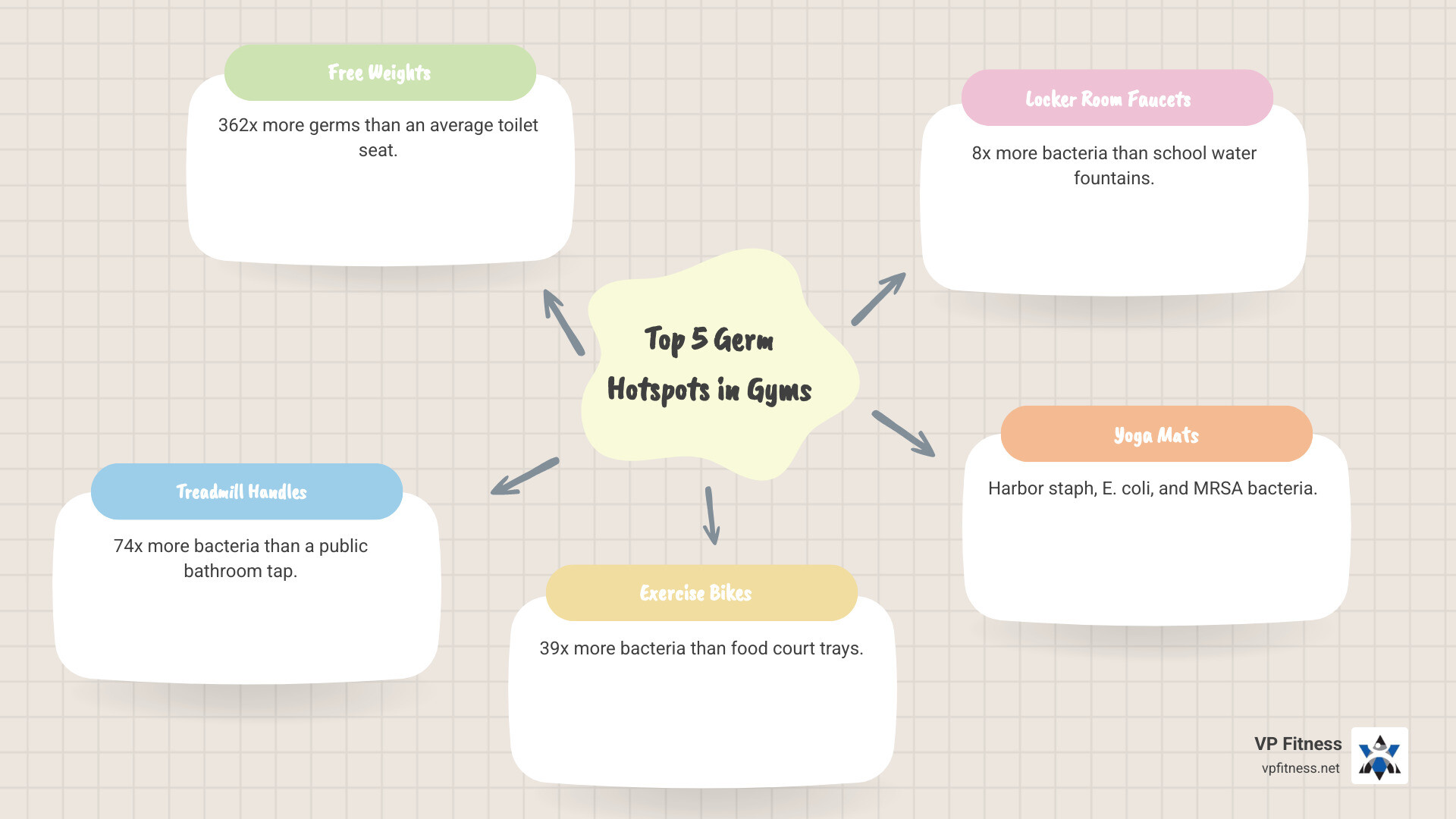
The stakes are higher than you might think. Research shows that free weights contain 362 times more germs than an average toilet seat, while treadmills harbor 74 times more bacteria than a public bathroom tap. Even more concerning, 56% of gym-goers expect their facilities to be germ-free, yet only 42% of fitness enthusiasts always wash their hands before and after gym sessions.
A truly clean environment does more than protect your health – it improves your mental focus, reduces distractions, and creates the optimal space for achieving your fitness goals. When you’re not worrying about germs or unpleasant odors, you can channel all your energy into building muscle, improving strength, and reaching new personal records.
Experience from leaders in the fitness industry has shown that maintaining a spotless facility is just as important as having top-quality equipment and expert trainers. This commitment to cleanliness supports members’ health and performance goals.
Why a Spotless Gym is Crucial for Your Health and Workout
Picture walking into two different gyms. The first has a stale smell, sticky equipment handles, and mystery stains on the benches. The second feels fresh, looks pristine, and practically sparkles under the lights. Which one makes you want to crush your workout? The answer is obvious, and there’s solid science behind why a clean gym isn’t just nice to have – it’s absolutely essential for your fitness success.
Member satisfaction skyrockets when cleanliness is prioritized. According to the International Health, Racquet & Sportsclub Association (IHRSA), gym cleanliness is the most powerful tool to maximize member satisfaction. The numbers are staggering: satisfaction ratings can plummet from 83% to just 43% when members perceive a gym as unclean. Even more telling, retention rates drop from 90% to 52% in facilities that don’t maintain proper hygiene standards.
Beyond keeping members happy, a spotless environment serves as your first line of defense against illness. Gyms are naturally high-risk zones for germ transmission – think about it. You’ve got dozens of people sweating, breathing heavily, and touching the same surfaces throughout the day. Without rigorous cleaning protocols, these shared spaces become breeding grounds for bacteria, viruses, and fungi that can derail your fitness progress faster than you can say “sick day.”
Disease prevention isn’t just about wiping down equipment – it’s about creating a comprehensive barrier against the invisible threats that thrive in warm, humid environments. When proper sanitization becomes routine, everyone benefits from reduced exposure to common illnesses that could otherwise spread like wildfire through the facility.
There’s also the equipment protection angle that directly impacts your workout quality. High-end fitness machines represent significant investments, and proper maintenance through regular cleaning extends their lifespan dramatically. Sweat is surprisingly corrosive, and when combined with dust and grime, it creates the perfect storm for equipment breakdown and costly repairs.
Perhaps most importantly, cleanliness creates the mental clarity you need for effective workouts. When you’re not distracted by unpleasant odors, sticky surfaces, or concerns about hygiene, you can channel all your energy into achieving your fitness goals. It’s amazing how much better you can focus on building muscle and improving strength when your environment supports rather than hinders your efforts.
The Hidden Dangers: Germs and Bacteria in Unsanitary Gyms
The invisible world lurking on gym surfaces might surprise you – and not in a good way. While you’re focused on your form and reps, microscopic hitchhikers are waiting to join your fitness journey uninvited.
Common viruses like rhinovirus (the culprit behind most colds) and influenza spread easily through respiratory droplets and contaminated surfaces. These aren’t just minor inconveniences – they can knock you out of your routine for days or even weeks, completely derailing your progress.
Staph infections present an even more serious threat. Staphylococcus aureus, including the antibiotic-resistant MRSA strain, can cause everything from minor skin infections to life-threatening conditions. Research shows that Staphylococcus aureus can survive on sports equipment for up to 72 hours under normal conditions, patiently waiting for its next host.
Fungal infections like athlete’s foot and ringworm thrive in the warm, moist environment that gyms naturally provide. Dermatophytes, the fungi responsible for these unpleasant conditions, love nothing more than a sweaty locker room floor or a damp yoga mat that hasn’t been properly sanitized.
High-touch surfaces throughout the facility become germ highways. Door handles, water fountain buttons, locker handles, and equipment controls get touched hundreds of times daily, creating perfect opportunities for cross-contamination between members.
The combination of sweat and humidity creates an ideal breeding ground for all these unwanted microorganisms. Without proper ventilation and regular disinfection, these conditions allow germs to multiply rapidly and spread throughout the facility. An interesting study on gym germs reveals just how extensive this invisible ecosystem can become in poorly maintained facilities.
Protecting Your Investment: How Cleanliness Extends Equipment Life
Think of gym equipment like high-performance cars – they need regular maintenance to run smoothly and last for years. Without proper care, even the most expensive machines become unreliable, frustrating obstacles to your fitness goals.
Corrosion from sweat is equipment’s biggest enemy. That natural byproduct of hard work contains salt and other minerals that eat away at metal components, electronic consoles, and protective coatings. When sweat sits on surfaces without being cleaned, it creates rust, discoloration, and structural weakness that can lead to dangerous equipment failures.
Dust in mechanical parts might seem harmless, but it’s a silent saboteur. Treadmill motors work harder when dust clogs their cooling systems. Cable machines develop friction when dust accumulates in their pulley systems. Even weight plates become harder to handle when dust makes them slippery and unpredictable.
Cracked upholstery often results from improper cleaning with harsh chemicals or simply neglecting to remove sweat and oils that break down materials over time. Once protective surfaces crack, they become breeding grounds for bacteria and create uncomfortable, unsanitary contact points for members.
The cost savings from proper equipment maintenance are substantial. Regular cleaning prevents the need for frequent repairs and premature replacements, ensuring that members always have access to reliable, safe equipment. This translates into fewer workout interruptions and a more consistent fitness experience.
Proper maintenance through appropriate cleaning products and techniques preserves manufacturer warranties and keeps equipment operating at peak performance. When machines run smoothly, members can focus on their form and intensity rather than worrying about mechanical issues or safety concerns.
The Anatomy of a Truly Clean Gym
When we talk about a truly clean gym, we’re referring to a systematic approach that covers every nook and cranny, not just the visible surfaces. It’s about identifying essential areas, understanding the unique cleaning needs of different equipment types, and paying special attention to high-traffic zones and those often-missed spots that can harbor hidden grime.
Our comprehensive cleaning strategy encompasses every part of our facility, ensuring a consistently hygienic environment. This includes:
- Reception Desk: The first impression, where cleanliness immediately sets the tone.
- Floors (All Areas): From the workout floor to locker rooms, ensuring they are swept, mopped, and disinfected.
- Windows and Mirrors: Kept sparkling for a bright, inviting atmosphere.
- Water Fountains/Dispensers: High-touch points that require frequent sanitization.
- Locker Rooms and Showers: Areas prone to moisture and heavy use, demanding rigorous daily cleaning.
- Group Fitness Studios: Ensuring mats and floors are disinfected after every session.
- Air Vents and HVAC Systems: Crucial for air quality, requiring regular inspection and cleaning.
- Ceiling and Light Fixtures: Often overlooked but essential for preventing dust accumulation.
- Storage Areas: Keeping equipment organized and clean even when not in use.
- Upholstery: Wiping down benches and machine pads to remove sweat and grime.
- Walls and Ceilings: Spot cleaning and periodic deep cleaning to maintain overall freshness.
Here’s a glimpse into our daily cleaning checklist, ensuring nothing is overlooked:
Daily Cleaning Checklist for a Clean Gym:
- All gym floors are swept and mopped with disinfectant.
- All equipment is wiped down and disinfected.
- High-touch surfaces (door handles, light switches, water fountains, reception desk) are disinfected multiple times throughout the day.
- Locker rooms, showers, and restrooms are thoroughly cleaned and disinfected, including toilets, sinks, and showers.
- Trash bins are emptied and relined.
- Hand sanitizer dispensers are refilled.
- Mirrors and windows in workout areas and common spaces are cleaned.
- Water fountains are cleaned and sanitized.
This meticulous approach ensures that every area, from the most obvious to the most hidden, contributes to the overall cleanliness and hygiene of our facility. This is our commitment to providing a truly spotless environment for your fitness journey.
High-Touch Equipment That Needs Constant Attention
In a gym, certain pieces of equipment and surfaces see an extraordinary amount of contact, making them prime candidates for germ transfer. We categorize these as “high-touch” and prioritize their constant attention throughout the day. These are the areas where sweat, skin cells, and microscopic hitchhikers are most likely to accumulate, and therefore, where vigilant cleaning is paramount.
Our focus areas include:
- Cardio Machines: Treadmills, ellipticals, stationary bikes, and stair climbers. Every handle, console, button, and screen is a high-touch point. We ensure these are wiped down and disinfected multiple times daily, and we encourage members to do the same after each use. We also pay attention to small details like phone holders and drink holders.
- Free Weights and Dumbbells: The very definition of high-touch. Barbells, dumbbells, kettlebells, and their racks are handled by countless individuals throughout the day. We disinfect these critical tools regularly, ensuring that every grip is clean.
- Weight Machines and Benches: Similar to free weights, the handles, adjustment pins, seat pads, and backrests on all weight machines are constantly in contact with skin and sweat. These require frequent wiping and disinfection to prevent grime buildup and germ spread.
- Yoga Mats and Foam Rollers: While often personal, shared mats can be a significant concern. They absorb sweat and come into direct contact with skin. We ensure our studio mats are disinfected after every use, and we recommend members clean their personal mats regularly as well. As one source put it, “More than any other piece of equipment, you need to disinfect yoga mats regularly (ideally after each use) to kill off the bacteria that lead to odors.”
Our cleaning protocols for these items involve not just a quick wipe, but a thorough application of disinfectant, ensuring the required “dwell time” (more on that later!) for germ elimination. We also make sure cleaning supplies are readily available for members to do their part, fostering a shared culture of cleanliness.
Critical Zones Beyond the Workout Floor
While the workout floor and equipment get a lot of attention (and rightly so!), a truly clean gym extends far beyond the barbells and treadmills. There are several critical zones that, if neglected, can undermine all other cleaning efforts and negatively impact the overall member experience. These areas are often high-moisture or high-traffic, making them particularly challenging and essential to maintain.
Our rigorous cleaning protocols extend to:
- Locker Rooms: These are busy hubs where members prepare for and recover from their workouts. With changing, showering, and storing belongings, locker rooms are prone to moisture, odors, and the spread of skin-related issues. We carefully clean and disinfect lockers, benches, and floors daily, often multiple times during peak hours. Proper air circulation is vital here to keep the air fresh and prevent mold and mildew.
- Showers: Perhaps the most moisture-intensive area, showers require exceptional attention. We clean and disinfect all shower stalls, fixtures, and grout lines at least once a day, with spot cleaning as needed. Maintaining dry floors is crucial to prevent slips and the growth of fungi.
- Restrooms: Toilets, sinks, countertops, soap dispensers, and door handles in restrooms are among the highest-touch surfaces in any facility. We clean and disinfect these areas multiple times throughout the day, ensuring they are always sparkling and well-stocked. The average locker room faucet handle, for instance, can conceal eight times more bacteria than a school’s water fountain, highlighting the need for vigilance.
- Water Fountains/Dispensers: These are frequently used and touched, making them a hotspot for germ transfer. We clean and sanitize water fountains and bottle fillers regularly throughout the day.
- Reception Area: This is your very first impression of our gym. A clean, warm, and inviting reception area sets the tone for your entire visit. We ensure the front desk, seating areas, and entrance are spotless, reflecting the high standards of cleanliness found throughout the rest of our facility.
- Door Handles and Light Switches: These are often overlooked but are touched by virtually everyone who enters or moves between areas. We make sure these high-traffic touchpoints are disinfected frequently throughout the day.
By dedicating significant resources and attention to these critical zones, we ensure that every aspect of your gym experience, from the moment you walk in to the moment you leave, is clean, safe, and pleasant.
Cleaning vs. Sanitizing vs. Disinfecting: What’s the Difference?
When we talk about maintaining a clean gym, it’s crucial to understand that not all cleaning methods are the same. The terms “cleaning,” “sanitizing,” and “disinfecting” might sound interchangeable, but they actually represent three distinct processes with different goals and levels of germ-fighting power. Knowing these differences helps explain why our comprehensive approach to gym hygiene goes far beyond a simple wipe-down.
Think of these three processes as layers of protection, each building on the last to create the safest possible environment for your workouts.
Cleaning is the foundation – it’s the physical removal of dirt, dust, and debris from surfaces. When we clean, we’re essentially tidying up and removing the visible grime that accumulates throughout the day. This step is important because it prepares surfaces for the more intensive germ-killing processes that follow. However, cleaning alone doesn’t eliminate bacteria or viruses; it simply removes the dirt they might be hiding in.
Sanitizing takes things a step further by reducing the number of germs on surfaces to levels that public health standards consider safe. This process doesn’t necessarily kill all bacteria and viruses, but it significantly lowers their numbers. Sanitizing is particularly effective on food-contact surfaces and areas where people frequently touch.
Disinfecting is the heavy-duty champion of germ elimination. This process uses chemical agents specifically designed to kill bacteria, viruses, and other harmful microorganisms on contact. When we disinfect gym equipment, we’re targeting those stubborn germs that can cause illness and skin infections.
Here’s how these three approaches compare in practice:
| Process | Definition | Purpose | Effectiveness | Chemical Agents | Contact Time |
|---|---|---|---|---|---|
| Cleaning | Physical removal of dirt and debris | Remove visible soil and prepare surfaces | Removes dirt but not germs | Soap, detergent | Immediate |
| Sanitizing | Reduces germs to safe levels | Lower germ count on surfaces | Reduces bacteria by 99.9% | Mild chemical solutions | 30 seconds to 1 minute |
| Disinfecting | Kills germs on contact | Eliminate harmful microorganisms | Kills 99.9% of bacteria and viruses | EPA-registered disinfectants | 30 seconds to 10 minutes |
The contact time – also called “dwell time” – is particularly important to understand. This refers to how long a disinfectant needs to stay wet on a surface to effectively kill germs. Many people make the mistake of spraying and immediately wiping, which doesn’t give the product enough time to do its job. That’s why our cleaning protocols ensure proper dwell time for maximum effectiveness.
We use EPA-registered disinfectants that have been proven effective against a wide range of harmful microorganisms. These products meet strict federal standards for both safety and effectiveness, giving you confidence that our clean gym environment truly protects your health.
The magic happens when we combine all three approaches in sequence. First, we clean to remove the visible dirt and debris. Then we sanitize to reduce germ levels. Finally, we disinfect to eliminate any remaining harmful microorganisms. This comprehensive approach ensures that every surface you touch has been thoroughly treated to protect your health and improve your workout experience.
Choosing the Right Products for a Safe and Effective Clean
Selecting the proper cleaning products for a gym environment requires balancing effectiveness against safety and equipment protection. Not all disinfectants are created equal, and using the wrong products can actually cause more harm than good to both your health and our valuable fitness equipment.
The key is finding safe chemicals that pack a powerful punch against germs without creating new problems. We carefully avoid harsh chemicals that can damage equipment surfaces or create harmful fumes in our enclosed environment. Products containing bleach might seem like the obvious choice for killing germs, but they can be extremely corrosive to metal components and rubber grips on our equipment. Similarly, ammonia-based cleaners can cause serious equipment damage, particularly to electronic displays and plastic components found on modern cardio machines.
Instead, we focus on non-corrosive solutions that are specifically formulated for fitness environments. These products effectively eliminate harmful bacteria and viruses while being gentle enough to use repeatedly on delicate equipment surfaces without causing deterioration or discoloration.
Our product selection process considers several important factors. The disinfectant must be effective against the specific types of germs commonly found in gym environments – including staph bacteria, common cold viruses, and fungi that cause skin infections. It needs to work quickly, with reasonable contact times that don’t disrupt the flow of member workouts. Most importantly, it must be safe for both our staff to use regularly and for members who come into contact with treated surfaces.
We also consider the environmental impact of our cleaning products. Many modern disinfectants offer excellent germ-killing power while being biodegradable and less harmful to indoor air quality. This approach protects both your immediate health and the long-term sustainability of our facility.
Best Practices for a Hygienic and Clean Gym
Creating and maintaining a truly hygienic environment requires more than just the right products – it demands the right tools, techniques, and systems working together seamlessly. Our comprehensive approach to gym cleanliness combines cutting-edge equipment with time-tested methods to ensure every corner of our facility meets the highest standards.
Microfiber cloths are one of our secret weapons in the fight against germs. Unlike regular cotton towels, microfiber can trap and hold bacteria rather than just pushing them around surfaces. These specialized cloths can pick up particles as small as 1/300th the width of a human hair, making them incredibly effective at removing both visible dirt and invisible microorganisms. We use different colored microfiber cloths for different areas to prevent cross-contamination between equipment and restroom surfaces.
For larger areas and comprehensive coverage, we employ electrostatic sprayers that create a fine mist of disinfectant with an electrical charge. This charge causes the disinfectant droplets to wrap around surfaces evenly, reaching areas that traditional spray bottles might miss. This technology is particularly effective for treating complex equipment with multiple angles and hard-to-reach crevices.
Proper ventilation plays a crucial role in maintaining our clean gym environment. Our HVAC system doesn’t just regulate temperature – it actively filters and circulates air to remove airborne contaminants. We use HEPA filters that capture 99.97% of particles 0.3 microns or larger, including many bacteria and virus particles. This continuous air filtration works alongside our surface cleaning to create a comprehensive approach to hygiene.
Regular schedules ensure that cleaning happens consistently, not just when someone remembers or when problems become visible. Our detailed cleaning calendar specifies exactly what gets cleaned when, ensuring that high-touch areas receive attention multiple times per day while less frequently used spaces get thorough weekly deep cleans.
We also maintain detailed logs of our cleaning activities, tracking which areas were cleaned, when, and with which products. This systematic approach helps us identify any gaps in our coverage and ensures accountability among our staff. It also allows us to quickly trace and address any potential contamination issues should they arise.
The result of these best practices is an environment where you can focus entirely on your fitness goals, confident that every surface you touch and every breath you take supports your health rather than threatening it.