

Personalized Plates: Everything You Need to Know About Custom Nutrition Plans

Custom nutrition plans: Master Success 2025
Why One-Size-Fits-All Diets Don’t Work
Custom nutrition plans are personalized eating strategies designed specifically for your body, goals, and lifestyle—unlike generic diets that treat everyone the same. Here’s what makes them different:
- Custom to your unique needs: Age, activity level, metabolism, health conditions, and food preferences
- Goal-oriented approach: Weight loss, muscle gain, athletic performance, or managing health conditions
- Sustainable and flexible: Built around foods you enjoy and a schedule you can maintain
- Professional guidance: Created by registered dietitians or certified nutrition specialists
- Adaptive over time: Adjustments based on your progress and changing needs
The shrill cry of his alarm clock at 5 a.m. was a familiar enemy, but lately, the battle to get out of bed felt harder than ever. Mark, a dedicated athlete, found himself in a frustrating slump—despite eating “right,” he felt sluggish and unfocused. It wasn’t until he finded the power of personalized nutrition that everything changed.
The problem with generic diets is simple: Your body isn’t generic. Research shows that personalized nutrition plans can lead to 2-3 times greater improvement in dietary adherence compared to standard advice. The global personalized nutrition market is projected to reach $35.2 billion by 2030, reflecting growing recognition that customized approaches work better than cookie-cutter solutions.
Generic meal plans ignore critical factors like your metabolic rate, body composition, genetic makeup, and lifestyle. They can’t account for your busy schedule, food preferences, budget constraints, or specific health conditions. This is why most people abandon traditional diets within weeks—they simply don’t fit real life.
A custom nutrition plan changes everything. It’s not about restriction or deprivation. It’s about creating a sustainable roadmap that aligns with your goals while working with your body, not against it. Whether you’re trying to lose weight, build muscle, manage a health condition, or simply feel more energetic, a personalized approach ensures you’re getting the right nutrients in the right amounts at the right times.
I’m Joseph DePena, and I’ve spent over a decade helping clients transform their health through personalized training and nutrition guidance. Throughout my career as a health and wellness professional, I’ve seen how Custom nutrition plans create lasting change when generic diets fail.
Foundations of Personalized Nutrition
We believe your plate should be as unique as you are. That’s why we champion custom nutrition plans over the generic, one-size-fits-all diets that often leave people feeling frustrated and hungry. Imagine trying to wear a shoe that’s three sizes too big, or too small—it just doesn’t fit, right? The same goes for your diet.
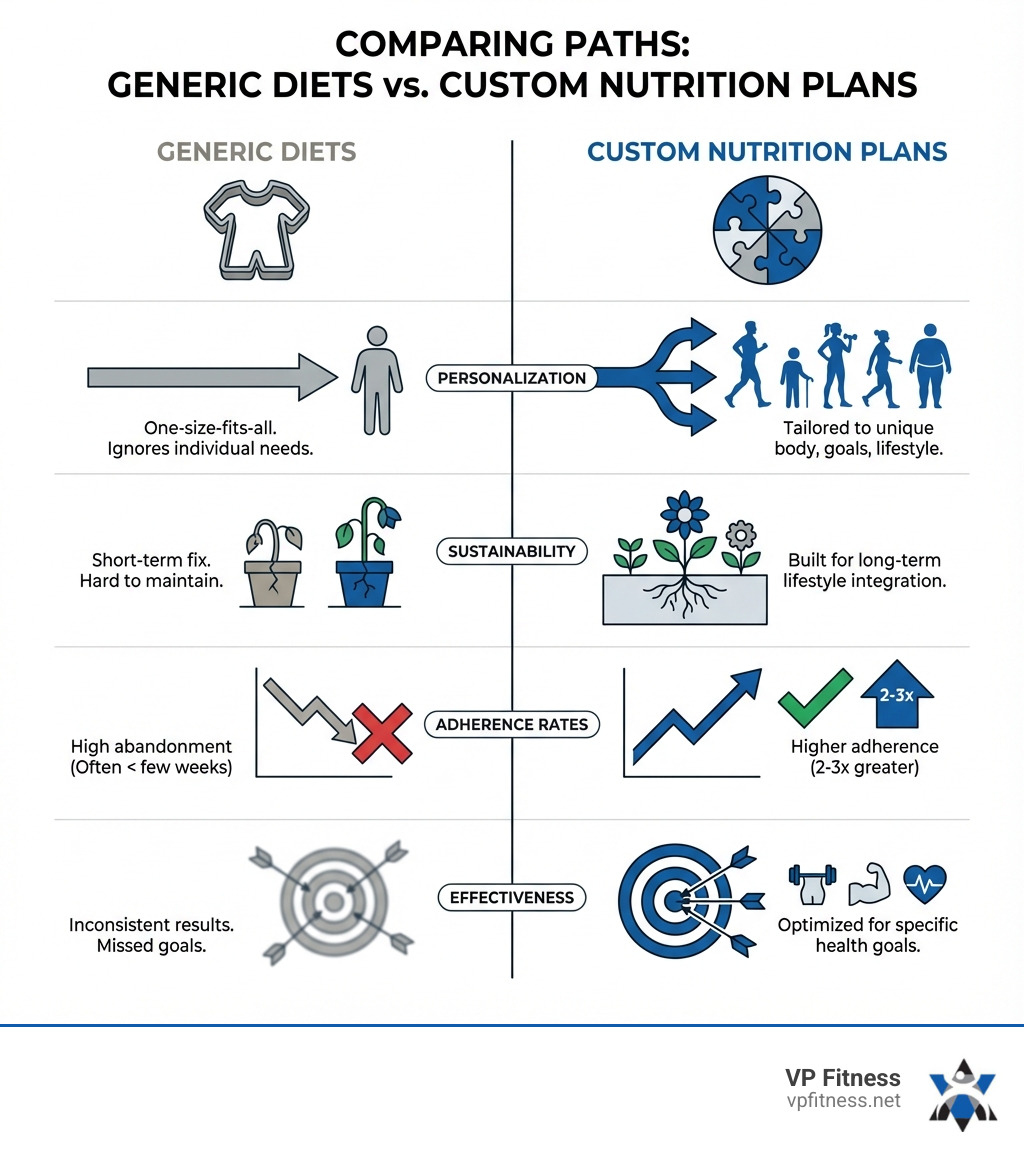
Generic diets often focus on broad recommendations, like “eat less, move more” or specific food group restrictions, without considering the intricate details of your individual biology and lifestyle. While they might offer a temporary fix, they rarely lead to lasting change. This is precisely why personalized nutrition plans can lead to a 2-3 times greater improvement in dietary adherence compared to generic advice. People stick with what works for them.
What Makes a Nutrition Plan “Custom”?
What truly sets a custom nutrition plan apart from a generic diet? It’s all about you. We craft these plans by considering a symphony of factors that make you, well, you.
- Individual Needs: Your age, gender, current health status, and even your genetic predispositions play a huge role. For example, the Dietary Reference Intakes (DRI) and Estimated Energy Requirement (EER) formulas, as outlined by the National Academies, use age-based calculations and even adjust for Body Mass Index (BMI) percentile, especially for different age groups, recognizing that a 15-year-old’s needs differ vastly from a 45-year-old’s. You can dig into the scientific basis for personalized nutrition to understand more.
- Lifestyle Integration: We look at your daily routine, work schedule, family life, and even your cooking skills. Do you travel frequently? Are you a master chef or a microwave enthusiast? Your plan needs to fit seamlessly into your life, not disrupt it.
- Food Preferences: We want you to enjoy what you eat! If you hate broccoli, we won’t force-feed you broccoli. Your likes, dislikes, cultural background, and dietary restrictions (vegetarian, vegan, gluten-free, etc.) are all central to designing a plan you’ll love and stick to.
- Health History: Any existing health conditions like diabetes, high cholesterol, or digestive issues (such as IBS or IBD), allergies, or specific health goals (like managing PCOS or navigating prenatal nutrition) are carefully integrated. This ensures your plan supports your health, rather than exacerbating issues.
- Goal-Oriented: Whether it’s weight loss, muscle gain, improved energy, or managing a health condition, your plan is a direct roadmap to your specific destination.
- Not a Restrictive Diet: This is crucial. A custom plan isn’t about deprivation; it’s about balance and abundance. As one expert puts it, a well-designed meal plan isn’t a prison… it’s a roadmap. It’s a flexible guide designed to help you eat a varied and healthy diet, adapting to your cravings and daily life.
Why Generic Diets Often Fall Short
Generic diets, while well-intentioned, often stumble because they fail to account for the incredible bio-individuality of human beings. Here’s why they often miss the mark:
- Lack of Personalization: They assume everyone responds the same way to the same foods, which couldn’t be further from the truth. Your metabolic rate, body composition, and even the unique composition of your gut microbiome mean your body processes food differently than someone else’s.
- Poor Adherence: When a diet is too rigid, ignores your preferences, or clashes with your lifestyle, it becomes a chore. Who wants to stick to a meal plan that feels like punishment? Our research shows that individuals following personalized nutrition plans report higher satisfaction and are more likely to sustain healthy eating habits long-term.
- Nutritional Gaps: Generic plans might inadvertently exclude vital micronutrients or macronutrients if they don’t consider your specific needs, potentially leading to deficiencies or imbalances.
- Unsustainable Results: Crash diets and extreme restrictions are rarely sustainable. They often lead to a cycle of losing weight, regaining it, and feeling defeated. We focus on building habits that last a lifetime.
- Ignores Bio-Individuality: From genetic makeup to activity levels, every aspect of your biology influences your nutritional requirements. Generic plans simply can’t factor in these intricate details.
Here’s a quick comparison to highlight the difference:
| Feature | Generic Diet Templates | Custom Nutrition Plans |
|---|---|---|
| Approach | One-size-fits-all, broad recommendations | Custom to individual needs, goals, and lifestyle |
| Personalization | Minimal; assumes universal response to food | High; considers age, gender, activity, health, preferences, culture |
| Adherence | Often low; difficult to sustain long-term | High; leads to 2-3x greater adherence due to flexibility and enjoyment |
| Sustainability | Low; often leads to yo-yo dieting | High; focuses on building lasting habits and a healthy relationship with food |
| Effectiveness | Variable; may offer short-term results, but often fails | High; customized meal plans can help individuals achieve weight loss goals 15-20% more effectively |
| Flexibility | Rigid; limited food choices, strict rules | Adaptive; allows for ingredient swaps, treats, and lifestyle adjustments |
| Guidance | Self-guided or general advice | Professional guidance from dietitians or certified specialists, ongoing support |
The Blueprint: How Custom Nutrition Plans Are Built
Creating a custom nutrition plan isn’t about pulling recipes out of a hat. It’s a thoughtful, evidence-based process that puts your unique needs at the forefront. Think of it as constructing a personalized blueprint for your dietary success.

Factors Considered in Your Personal Plan
When we build your custom nutrition plan, we gather a wealth of information to ensure every detail is accounted for. This isn’t a quick questionnaire; it’s a deep dive into what makes you tick.
- Age and Gender: These are fundamental in determining your basal metabolic rate (BMR) and overall caloric needs. For instance, Estimated Energy Requirement (EER) formulas from 2006 vary significantly for different age groups and genders, often using factors based on Body Mass Index (BMI) percentile for precision.
- Activity Level: Are you sedentary, moderately active, or an elite athlete? Your daily energy expenditure directly impacts your calorie and macronutrient requirements.
- Basal Metabolic Rate (BMR): This is the number of calories your body burns at rest. We use scientific formulas and assessments to estimate your BMR, providing the foundation for your calorie goals.
- Health Conditions: We carefully consider any diagnoses like diabetes, high blood pressure, high cholesterol, or digestive health issues such as IBS, IBD, acid reflux, gastritis, or pancreatitis. We also account for conditions specific to women, like PCOS, menopause, or prenatal/postnatal nutrition. This ensures your plan supports healing and management.
- Dietary Restrictions and Allergies: Whether you’re vegan, vegetarian, gluten-free, or have specific food allergies (like nuts or dairy), your safety and preferences are paramount. Your plan will be free of anything that causes you discomfort or harm.
- Budget: We understand that healthy eating shouldn’t break the bank. We can design plans that incorporate affordable ingredients and smart shopping strategies.
- Cooking Skills and Equipment: From gourmet chefs to those who consider instant ramen a culinary masterpiece, we tailor recipes and meal prep strategies to your comfort level and kitchen setup. If you’re interested in how we incorporate these details into a broader fitness strategy, you can find more info about personalized exercise routines.
Key Components of Effective Custom Nutrition Plans
Once we have a clear picture of your unique profile, we start assembling the building blocks of your custom plan.
- Macronutrient Targets (Protein, Carbs, Fat): We determine the ideal balance of protein, carbohydrates, and healthy fats for your body and goals. This ensures you’re fueled properly, recover effectively, and feel satisfied. For example, someone aiming for muscle gain will have different protein requirements than someone focused on weight loss.
- Micronutrient Needs: Beyond macros, we ensure your plan provides an abundance of vitamins, minerals, and antioxidants essential for overall health, energy, and disease prevention.
- Calorie Goals: This is the cornerstone for weight management. We set precise calorie targets based on your BMR, activity level, and goals, whether it’s a calorie deficit for weight loss or a surplus for muscle gain.
- Meal Timing: While not always rigid, strategic meal timing can optimize energy levels, improve athletic performance, and help manage hunger cues.
- Hydration Strategy: Often overlooked, proper hydration is critical for every bodily function. We’ll help you develop a practical hydration plan.
- Supplement Recommendations: If necessary, we might suggest targeted supplements to fill nutritional gaps or support specific goals, always backed by science. You can learn more about supplements for muscle.
The Role of a Dietitian or Certified Coach
This isn’t a DIY project. The expertise of a qualified professional is invaluable in creating a truly effective custom nutrition plan.
- Professional Assessment: Registered dietitians and certified nutrition specialists possess in-depth knowledge of food science, human physiology, and behavior change. They conduct thorough assessments, interpreting complex data to create safe and effective plans.
- Evidence-Based Strategies: We rely on the latest scientific research, not fads, to ensure your plan is built on sound principles. This includes understanding the nuances of how Estimated Energy Requirement formulas (2006) are applied for different age groups and body compositions.
- Accountability: Having a coach or dietitian provides a crucial layer of support and accountability. We’re here to celebrate your successes, troubleshoot challenges, and keep you motivated.
- Adjustments Over Time: Your body and life aren’t static. A good custom plan is dynamic. We regularly review your progress and make necessary adjustments to ensure you continue moving towards your goals. This iterative process is key to long-term success.
- Education: Beyond just telling you what to eat, we empower you with knowledge. We explain the “why” behind our recommendations, helping you understand nutrition principles so you can make informed choices long after your program ends.
Achieving Your Goals with a Custom Plan
The beauty of a custom nutrition plan lies in its direct link to your aspirations. Whether you’re aiming to shed pounds, pack on muscle, or simply feel more vibrant, a personalized approach dramatically increases your chances of success. It’s about more than just food; it’s about optimizing your entire well-being. You can find more info about achieving fitness goals.

Weight Management: Loss and Gain
Weight management is one of the most common goals, and a custom plan is your secret weapon.
- Calorie Deficit for Weight Loss: To lose weight, you need to consume fewer calories than you burn. We precisely calculate your individual calorie deficit, ensuring you lose weight steadily and safely without feeling overly deprived. Customized meal plans can help individuals achieve weight loss goals 15-20% more effectively than standard diet plans, because they’re custom to your preferences, making them easier to stick to.
- Calorie Surplus for Weight Gain: For healthy weight gain, especially muscle mass, a controlled calorie surplus is essential. We design plans that provide enough energy to support muscle growth without excessive fat accumulation.
- Satiety and Hunger Management: A well-designed custom plan incorporates foods that promote satiety, helping you feel fuller for longer and manage cravings. This means less “hanger” and more happy.
- Preserving Muscle Mass: During weight loss, it’s crucial to preserve muscle. Our plans prioritize adequate protein intake to protect your lean body mass while you shed fat. This is where a weight loss accountability coach can make a huge difference, helping you stay on track and make smart choices.
Athletic Performance and Muscle Building
For athletes and fitness enthusiasts, nutrition is the ultimate performance improver.
- Fueling Workouts: Your plan will strategically fuel your training sessions, providing the energy needed for optimal performance. This includes understanding the right carbohydrates to consume pre-workout.
- Post-Workout Recovery: We emphasize nutrient-dense meals and snacks post-exercise to replenish glycogen stores, repair muscle tissue, and reduce soreness.
- Protein Synthesis: Adequate protein intake, strategically timed, is critical for muscle repair and growth. Your plan will ensure you hit your protein targets to maximize gains. You can dig deeper into nutrition for muscle.
- Energy Availability: Maintaining consistent energy levels throughout the day and during intense training is key. Your plan optimizes nutrient timing to keep you powered up.
Essential Foods for Muscle Gain:
- Lean Proteins: Chicken breast, turkey, lean beef, fish (salmon, tuna), eggs, Greek yogurt, cottage cheese.
- Complex Carbohydrates: Oats, brown rice, quinoa, sweet potatoes, whole-grain bread, pasta.
- Healthy Fats: Avocados, nuts, seeds, olive oil, fatty fish.
- Fruits and Vegetables: A wide variety for micronutrients and antioxidants to support recovery and overall health.
Managing Health Conditions and Dietary Needs
Custom nutrition plans are incredibly powerful tools for managing a wide array of health conditions and accommodating specific dietary requirements.
- Diabetes: We create plans that help stabilize blood sugar levels, focusing on balanced carbohydrates, lean proteins, and healthy fats.
- High Cholesterol & Blood Pressure: Dietary adjustments, emphasizing soluble fiber, healthy fats, and reduced sodium, can significantly improve cardiovascular markers.
- Digestive Health (IBS, IBD, Acid Reflux): For sensitive stomachs, we identify trigger foods and build plans rich in gut-friendly nutrients, often focusing on anti-inflammatory approaches.
- Food Allergies and Intolerances: Your plan will carefully exclude any allergens while ensuring you still receive all necessary nutrients from alternative sources.
- Vegan or Vegetarian Diets: We ensure complete protein intake and address potential nutrient deficiencies (like B12, iron, zinc) commonly associated with plant-based eating.
- PCOS (Polycystic Ovary Syndrome): Nutrition plays a vital role in managing PCOS symptoms, with plans focusing on blood sugar regulation and anti-inflammatory foods.
- Anti-inflammatory Needs: For conditions like arthritis or general inflammation, we emphasize foods rich in anti-inflammatory compounds and help eliminate inflammatory triggers.
Practical Considerations for Long-Term Success
A custom nutrition plan isn’t a magic wand; it’s a powerful tool that requires commitment and smart strategies for long-term success. We understand that life happens, and sustainability is key.
Ensuring Sustainability and Adherence
We’re not just handing you a piece of paper; we’re building a new way of eating that you can stick with for life.
- Flexibility: Rigid diets fail. Our plans are designed to be flexible, allowing for ingredient swaps (salmon for chicken, for example) and adapting to social events or travel. This flexibility is vital for long-term adherence.
- Enjoyable Foods: We actively incorporate foods you love. As one testimonial highlighted, a good meal plan “makes sure I’m not eating the same bland thing every day.” If you enjoy what you’re eating, you’re far more likely to stick with it.
- Simple Recipes: We know your time is precious. Our plans often feature simple, quick-to-prepare recipes that don’t require a culinary degree or hours in the kitchen.
- Gradual Implementation: We don’t expect you to overhaul your entire diet overnight. We often recommend a gradual approach, integrating 1-2 new meals per week, making the transition manageable and less overwhelming.
- Mindful Eating: Beyond the “what” and “how much,” we encourage mindful eating practices, helping you reconnect with your body’s hunger and fullness cues. This is a crucial aspect of staying motivated with fitness goals.
The Role of Technology and Tools
Technology has revolutionized how we approach personalized nutrition, making it more accessible and engaging.
- Meal Planning Tools: Online meal plan generators and apps can help streamline the process, using algorithms to create plans based on your input.
- Progress Tracking: Apps and platforms allow you to log your food intake, track macros, and monitor progress, providing valuable data for adjustments.
- Wearable Data Integration: Some advanced tools can integrate data from smartwatches or fitness trackers, providing a more holistic view of your activity levels and calorie burn.
- Virtual Coaching Support: Technology enables seamless communication with your dietitian or coach, allowing for virtual check-ins, adjustments, and ongoing support, no matter where you are. The use of AI in meal planning can increase user engagement by up to 40% and improve the accuracy of nutritional recommendations, making the process even more efficient.
Costs, Insurance, and Potential Limitations
Investing in a custom nutrition plan is an investment in your health, but it’s important to understand the practicalities.
- Investment in Health: While the cost of a custom nutrition plan can vary, it’s often seen as an investment with significant returns in terms of improved health, energy, and goal achievement. For example, some services offer 4-week plans for around $149 or 8-week plans for $279, while individual consultations might be around $225 for a 6-week program including check-ins.
- Professional Guidance Fees: The cost reflects the time, expertise, and ongoing support provided by certified dietitians and nutrition specialists. These professionals bring years of education and experience to the table.
- Insurance Coverage Possibilities: Good news! Many private health insurance plans often cover the services of registered dietitians. We recommend checking with your specific provider to understand your benefits for nutrition counseling and meal planning.
- Potential for Rigidity: While we strive for flexibility, some individuals might initially find the structure of a plan challenging. It’s crucial to communicate openly with your coach to ensure the plan adapts to your evolving comfort level.
- Need for Adjustments: Your body and goals will change, so your plan will need periodic adjustments. This isn’t a one-and-done solution but an ongoing partnership to optimize your health.
Frequently Asked Questions about Custom Nutrition Plans
We get a lot of questions about custom nutrition plans, and we love answering them! Here are some of the most common ones:
How quickly will I see results with a custom plan?
This is a fantastic question, and the answer, like most things in personalized nutrition, is “it depends.” While some people may notice an improvement in their energy levels, mental clarity, and even initial weight changes within a few days or a week, it can often take a few weeks to experience the full benefits. Consistency is key! Providing your body with a steady supply of essential nutrients over time leads to more lasting and significant improvements. This isn’t a quick fix; it’s a sustainable journey toward better health.
Is a custom nutrition plan restrictive or difficult to follow?
Absolutely not! This is a common misconception about any “diet” or “plan.” We firmly believe that the best plan is the one you can stick to. Our custom nutrition plans are designed to be flexible roadmaps, not rigid prisons. We tailor them around your favorite flavors, health targets, and the time you actually have to cook. We include foods you enjoy, allow for ingredient swaps, and even incorporate occasional treats. The goal is to make healthy eating enjoyable and sustainable, not a chore that leaves you feeling deprived.
Can a custom plan include my favorite foods and occasional treats?
Yes, yes, and absolutely yes! We want to make sure you actually like what you eat, or you won’t stick with it for long. A healthy diet is about balance and sustainability, not perfection. The occasional indulgence is a normal part of life and will not derail your progress. In fact, sometimes satisfying your cravings can actually help you on your weight loss journey, rather than feeling too restricted. We can even build in specific “treat items” like a piece of chocolate or a scoop of ice cream into your plan, ensuring it fits your overall calorie and macro goals. It’s all about mindful enjoyment and building a healthy relationship with food.
Conclusion
We’ve explored the profound difference between generic diets and the transformative power of custom nutrition plans. From understanding your unique biology and lifestyle to precisely tailoring macronutrient targets and accommodating health conditions, a personalized approach is the roadmap to lasting health and goal achievement. We’ve seen how these plans lead to higher adherence, more effective weight management, optimized athletic performance, and better management of various health conditions.
The journey to optimal health is personal, and your nutrition should be too. It’s about empowering you with the knowledge and tools to nourish your body, fuel your goals, and sustain a vibrant life. We’re dedicated to providing that expert guidance.
Ready to stop guessing and start truly nourishing your body? It’s time to find what a personalized approach can do for you.