

Beyond the Burn: Unlocking the Power of Regular Physical Activity

Why Daily Exercise Benefits Transform Your Life
The benefits of daily exercise extend far beyond burning calories. Regular physical activity can make you happier, boost your energy, and even add years to your life.
The Top Daily Exercise Benefits Include:
- Immediate mood boost – Release endorphins that make you feel happier within 10-30 minutes
- Better sleep quality – Fall asleep faster and enjoy deeper, more restful sleep
- Increased energy levels – Combat fatigue and improve daily stamina
- Weight management – Burn calories and maintain a healthy metabolism
- Stronger bones and muscles – Build bone density and prevent age-related muscle loss
- Heart health protection – Lower blood pressure and reduce heart disease risk by up to 35%
- Brain power improvement – Improve memory, focus, and reduce dementia risk
- Disease prevention – Lower risk of type 2 diabetes, stroke, and 8 types of cancer
- Pain reduction – Natural treatment for chronic pain conditions
- Improved sexual health – Improve circulation and boost confidence
Research shows that any amount of movement is better than none. Adults engaging in just 150 minutes of moderate activity per week gain significant health benefits. Even burning 287 calories per day can lower your risk of death by 32%.
Many busy professionals have sedentary lifestyles, increasing risks of heart disease, diabetes, and depression. The good news is you don’t need hours at the gym to transform your health.
Fitness professionals have seen how daily exercise benefits create lasting physical and mental changes in their clients. Understanding these benefits is the first step toward a sustainable fitness routine.
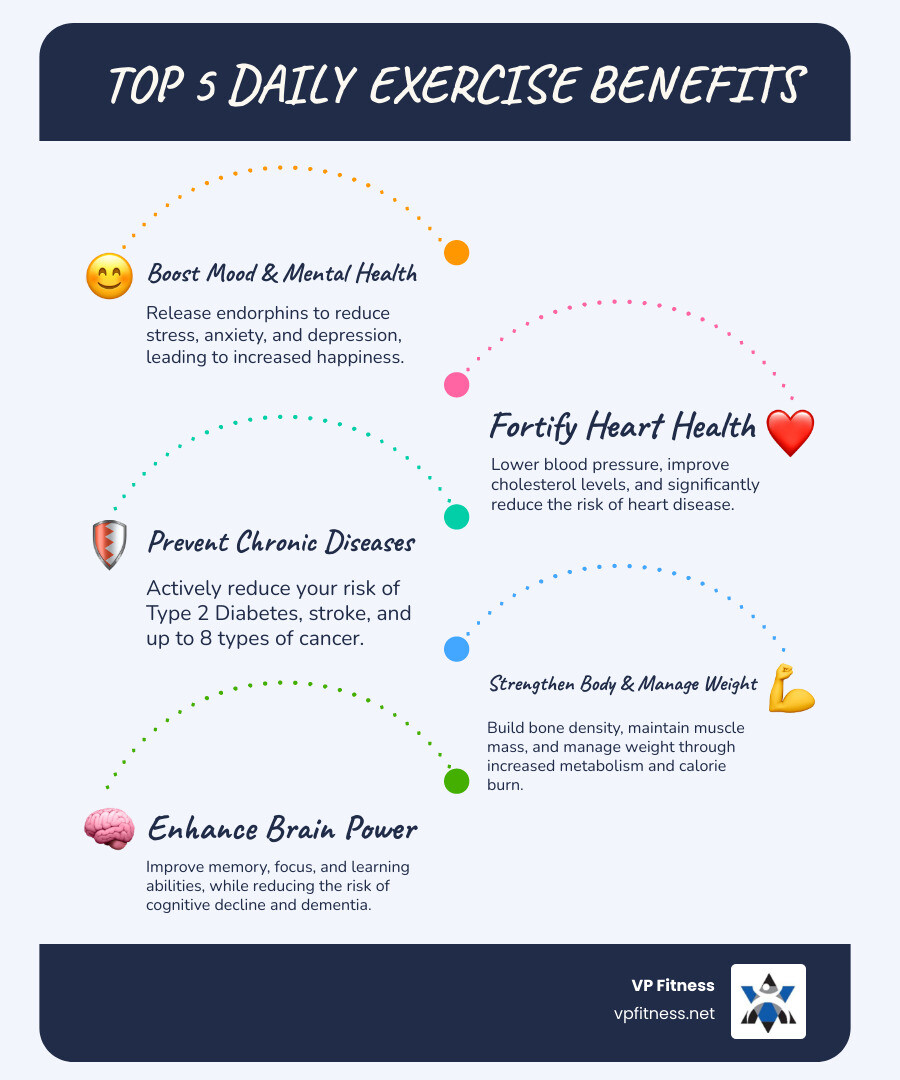
The Immediate Uplift: How Daily Exercise Benefits Your Mind and Mood

You don’t have to wait weeks to feel the daily exercise benefits. The moment you start moving, your brain releases a powerful cocktail of feel-good chemicals—endorphins, serotonin, and norepinephrine—that can transform your day. Think of exercise as a natural antidepressant. These brain chemicals work together to lift your spirits and melt away stress.
Boost Your Mood and Melt Away Stress
When you exercise, your body floods your system with endorphins, the famous “feel-good” chemicals that act as natural painkillers and mood elevators. Exercise also boosts your brain’s sensitivity to serotonin and norepinephrine, which help you feel happier and more relaxed. This reduces anxiety, fights depression, and builds confidence.
A 2019 review on mood improvement showed that just 10-30 minutes of exercise can significantly lift your spirits. When active people stopped exercising for a few weeks, their mood declined. As your strength improves, your self-esteem naturally grows, and that confidence radiates into your life. For tips on keeping momentum, it’s helpful to set clear, achievable goals.
Skyrocket Your Energy Levels
Paradoxically, the more energy you spend on exercise, the more you get back. If you feel fatigued in the afternoon, movement might be what you need. Exercise makes your heart a more efficient pump, delivering oxygen and nutrients throughout your body. Your cardiovascular system learns to work smarter, not harder.
This improved efficiency makes everyday tasks easier. Your endurance increases, and chronic fatigue fades. Many people notice increased energy within a few weeks of regular activity. You can build this foundation by incorporating regular cardio workouts into your routine.
Open up Deeper, More Restful Sleep
Tossing and turning? Daily movement can improve sleep quality, helping you fall asleep faster and enjoy deep, restorative rest. The energy expenditure during a workout triggers recovery processes during sleep. Your body temperature rises during exercise and then drops, creating ideal conditions for drowsiness.
Exercise also helps regulate your sleep cycles. A 2018 study found that stretching and resistance exercise improved sleep quality for people with chronic insomnia, helping them fall asleep faster and sleep deeper. Time your workouts right; intense exercise too close to bedtime can be counterproductive. Finish vigorous workouts 3-4 hours before sleep. For more strategies, explore this comprehensive guide to better sleep.
Building a Resilient Body: Long-Term Physical Perks of Exercise

While the immediate mood boost is great, the long-term daily exercise benefits are what truly transform our lives, creating strong, resilient bodies as we age. Think of exercise as an investment in your future self. Each workout is a deposit toward future strength, mobility, and vitality. These benefits help prevent chronic diseases and maintain independence.
Achieve and Maintain a Healthy Weight
Maintaining a healthy weight is challenging due to desk jobs and busy schedules. Exercise is a secret weapon. Regular movement increases your metabolic rate, so you burn more calories even at rest. Combining exercise types is key. Aerobic activities burn calories, while resistance training builds lean muscle, which burns more calories at rest. This combination helps you lose fat while maintaining muscle.
Consistency beats intensity. For extra support, a weight loss accountability coach can help. The scale isn’t everything; focusing on other fitness metrics can give you a better picture of your progress.
Strengthen Your Bones and Muscles
Starting around age 30, we naturally lose 3-8% of our muscle mass per decade. Without intervention, this leads to weakness and increased injury risk. The good news is that exercise prevents this. Resistance training tells your body to keep muscle, preventing age-related weakness.
Your bones also get a boost. Weight-bearing exercises and strength training stimulate bones to become denser. A 2022 review found that exercise improved bone density in the spine and hips, helping prevent osteoporosis. Impact activities like walking and jogging are great for bone health, while resistance training protects joints. It’s never too late to start. Understanding the importance of strength training for long-term health is key to building muscle effectively.
Sharpen Your Brain and Cognitive Function
One of the most exciting daily exercise benefits is its power to boost brain function and protect against cognitive decline. Physical activity increases blood flow to the brain, delivering oxygen and nutrients. This improves memory formation, learning ability, and overall cognitive function. Research shows exercise can grow the hippocampus, your brain’s memory center. Regular exercisers often have better memory and faster thinking skills.
Crucially, physical activity protects against age-related cognitive decline. Studies suggest active individuals have a reduced risk of developing dementia and Alzheimer’s disease, as exercise may slow or prevent the associated brain changes. Even a single workout can improve focus and mental clarity for hours, making exercise a great investment in your brain health.
Your Shield Against Illness: The Daily Exercise Benefits for Disease Prevention
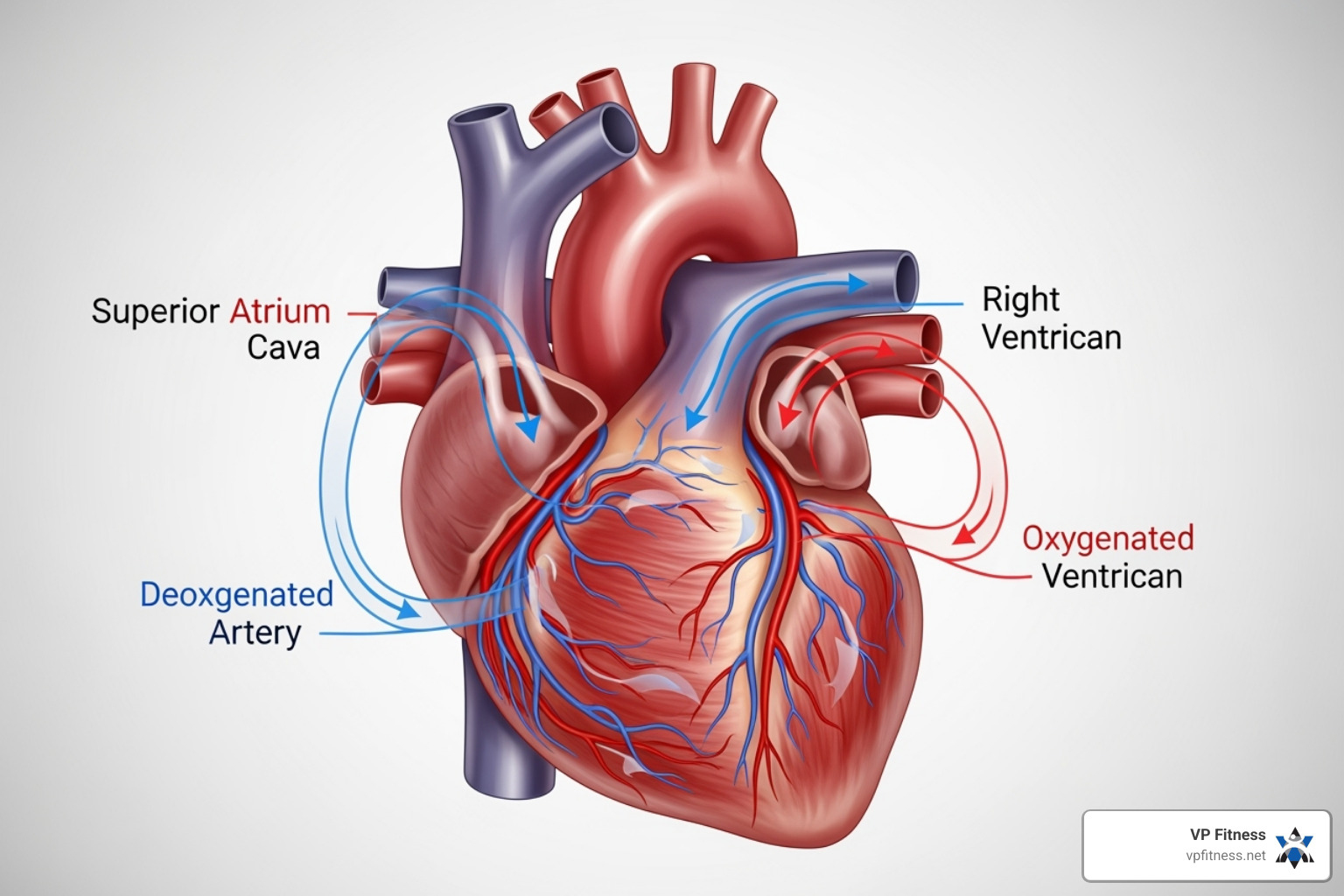
Think of exercise as your body’s bodyguard. Each workout strengthens your defenses against illness, making the daily exercise benefits for disease prevention like an invisible shield for your health. Regular movement boosts your immune system, decreases inflammation, and reduces risk factors for serious health problems.
Combat Heart Disease and Improve Cardiovascular Health
Your heart is a muscle that gets stronger with exercise. Regular physical activity is a powerful weapon against heart disease. When you exercise, your blood pressure drops, your cholesterol profile improves (more good HDL, less harmful triglycerides), and blood flows more efficiently. During exercise, blood pressure rises temporarily, but afterward, it often settles at a lower level. This benefit builds with each workout.
Movement also prevents plaque from clogging arteries and reduces inflammation, lowering the risk of heart attacks and strokes. The CDC on Physical Activity Benefits has documented this research.
Reduce Your Risk of Chronic Conditions
The protective daily exercise benefits extend beyond heart health, offering protection against multiple chronic diseases. For type 2 diabetes prevention, exercise improves blood sugar management and insulin sensitivity. It can also help reverse the effects of metabolic syndrome. For arthritis, exercise is one of the best treatments for reducing pain and improving function by keeping joints flexible and strengthening supporting muscles.
Remarkably, staying active reduces your risk of at least eight types of cancer: colon, breast, uterine, bladder, esophageal, kidney, stomach, and lung. Even a single workout can increase cancer-fighting molecules, suggesting exercise may actively fight cancer.
Improve Sexual Health and Function
A surprising benefit of regular exercise is a significant boost to sexual health and satisfaction. Improved circulation from cardio means better blood flow to areas vital for sexual function. Increased energy translates to more stamina, while improved flexibility and muscle tone can improve comfort and performance.
A 2018 study found that 160 minutes of exercise per week can improve erectile function in men. For women, resistance training can increase sex drive, arousal, and satisfaction. The mental benefits also matter. Feeling stronger and more confident in your body naturally improves intimacy and connection.
Making It Happen: Your Guide to a Consistent Fitness Routine
Now that you know the daily exercise benefits, how do you make fitness a consistent part of a busy life? Creating a sustainable routine is about finding practical strategies that work for you. The key is to overcome barriers and find activities you enjoy, which makes consistency easier. For busy professionals, creating a manageable and sustainable fitness routine is key.
How Much Exercise Do You Really Need?
A common question is, “How much exercise do I need?” The answer is likely less than you think; consistency matters more than intensity. The U.S. Department of Health and Human Services recommends at least 150 minutes of moderate aerobic activity per week (30 minutes, five days a week) or 75 minutes of vigorous aerobic activity.
Also include strength training at least twice a week, targeting all major muscle groups with 12-15 repetitions per set. For greater benefits, aim for 300+ minutes of moderate activity weekly. These minutes can be spread throughout your day, as even 10-minute bursts count toward your total!
| Activity Type | Moderate-Intensity Examples | Vigorous-Intensity Examples |
|---|---|---|
| Feel & Effort | You can talk but not sing (5-6 out of 10 effort) | You can only say a few words before pausing for breath (7-8 out of 10 effort) |
| Activities | Brisk walking, water aerobics, dancing, gardening, doubles tennis, biking under 10 mph | Hiking uphill, running, swimming laps, vigorous dancing, heavy yard work, singles tennis, cycling 10+ mph, jumping rope |
The Best Types of Exercise for Overall Health
To maximize your daily exercise benefits, your routine needs three components for stability and results.
Aerobic exercise is the foundation, strengthening your heart and lungs. Activities like brisk walking or swimming improve cardiovascular health and boost energy. These cardio workouts offer significant benefits.
Strength training is your weapon against aging, building muscle and strengthening bones. You can use weights, bands, or body weight. If you’re new to it, a simple dumbbell workout routine is a great start.
Flexibility and balance work maintains mobility and prevents injuries, which is crucial as we age. Yoga beautifully combines both elements, which explains its popularity.
Simple Ways to Incorporate More Movement
You don’t need to overhaul your life to experience daily exercise benefits. Small changes can have a big impact.
- Transform your daily commute by parking farther away or getting off the bus one stop early. Always choose the stairs over the elevator.
- Turn household tasks into mini-workouts by putting extra energy into cleaning or gardening.
- Make your work day more active with desk exercises, walking meetings, or pacing during calls. Set reminders to stand and stretch hourly.
- Get social with your fitness by planning active outings like a walk or bike ride instead of meeting for coffee.
The goal is progress, not perfection. Short bursts of activity are better than none. A daily fitness routine can be built from these small changes. Start where you are, with what you have. Your future self will be grateful.
Frequently Asked Questions about Daily Exercise
Starting a fitness routine can be overwhelming. Let’s tackle common questions about the risks of inactivity, fitting in workouts, and other concerns about daily exercise benefits.
What are the biggest risks of a sedentary lifestyle?
A sedentary lifestyle invites a host of health problems.
- Chronic diseases thrive on inactivity. A lack of regular movement significantly increases your risk of heart disease, type 2 diabetes, high blood pressure, and several cancers.
- Weight gain is almost inevitable without enough energy expenditure, as extra calories contribute to other health issues.
- Your mental health also suffers. Sedentary people are 44% more likely to experience depression because they miss out on mood-boosting endorphins.
- Most concerning is the loss of muscle and bone density over time, leading to weakness, fractures, and falls. Your immune system also weakens, increasing vulnerability to illness.
A sedentary lifestyle shortens your lifespan, but it’s never too late to change.
How can I overcome common barriers to exercise like lack of time or motivation?
We all face barriers to exercise like lack of time or exhaustion, but they are not impossible.
- Start small. Aim for 10-15 minutes. Build the habit, then gradually increase the time.
- Schedule your workouts like an appointment you can’t cancel. Block it off in your calendar to make it non-negotiable.
- A workout buddy adds accountability and fun. For structured support, consider group fitness classes for built-in motivation.
- Find an activity you enjoy. If you hate running, try dancing or hiking. The best exercise is one you’ll stick with.
- Set small, achievable goals like “walk for 15 minutes three times this week.” Small wins build momentum and help you achieve your fitness goals.
- Sneak movement into your day by taking the stairs, parking further away, or doing squats while your coffee brews.
Is it safe to exercise every single day?
Yes, it can be safe to exercise daily, depending on the activity. Your body loves daily movement but needs recovery from intense workouts.
Gentle, moderate activities like brisk walking or stretching are generally safe to do every day. However, intense workouts need recovery time. After heavy lifting or HIIT, your muscles need about 48 hours to repair. This means alternating intense days with lighter activity, not inactivity.
Active recovery is key on rest days. Try gentle yoga, a walk, or light stretching to keep moving while allowing muscles to recover. The most important skill is listening to your body. Unusual fatigue or soreness is a sign you need a break. Pushing through pain can lead to injury and burnout.
Always include a proper warm-up routine and cool-down stretches. They are essential for preparing your body and aiding recovery. The daily exercise benefits come from consistency, not just intensity. A daily 20-minute walk is more beneficial than one brutal workout per week.
Conclusion
Exploring the daily exercise benefits reveals that regular physical activity is about more than weight loss—it’s about changing your life from the inside out.
Just 10-30 minutes of movement can boost your mood and reduce stress. Exercise acts as a shield against heart disease, diabetes, and cancer, while also growing your brain and sharpening your thinking.
Exercise is a cornerstone of vibrant health. It pays dividends in every area of life: better sleep, more energy, stronger bones, and improved confidence. Research is clear: active people don’t just live longer; they live better.
The best part about fitness is that it’s never too late to start, and you don’t need to be perfect. Every movement matters, from taking the stairs to a structured workout. Your body responds to consistency.
The path to change begins with a single step and continues with the daily choice to move, even when motivation is low. It flourishes with the right support system.
Fitness professionals have seen countless people find their strength and energy. Everyone’s journey is unique, so personalized guidance can be key. The journey to a healthier life starts with a single step.
Ready to experience these benefits? A personalized plan tailored to your lifestyle and goals can help you see what’s possible when you prioritize your health.
Your future self is waiting and will thank you for starting today.