

Fuel Your Body: A Guide to Essential Amino Acids and Their Benefits

Essential amino acids: 9 Powerful Benefits
Why Essential Amino Acids Are Your Body’s Most Important Building Blocks
Essential amino acids are the fundamental compounds your body needs to function but can’t make on its own. Think of them as the LEGO blocks of life; without them, your body can’t build and repair the proteins that keep you healthy and strong.
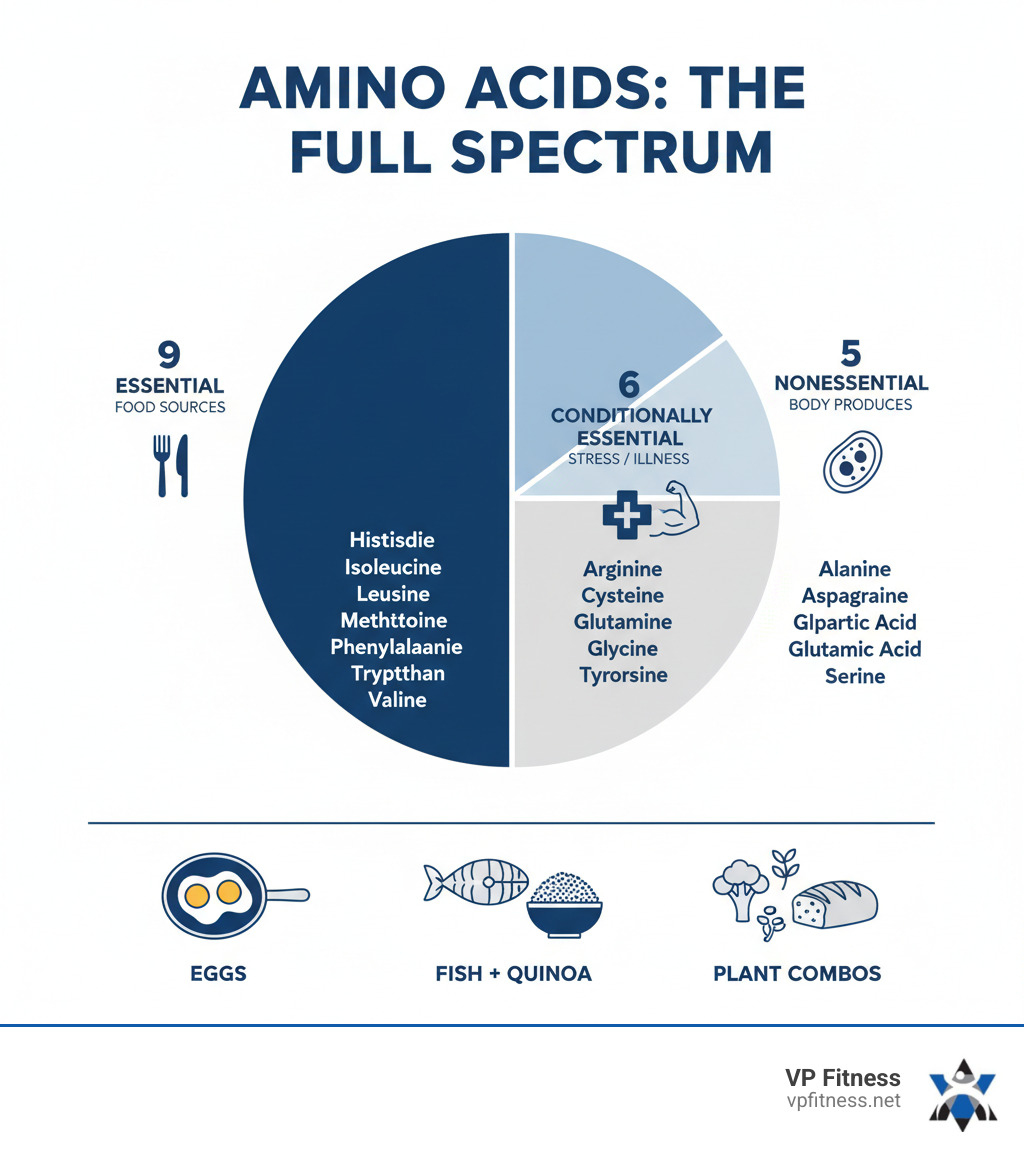
The 9 Essential Amino Acids You Must Get From Food:
- Histidine – Aids immune function and digestion
- Isoleucine – Fuels muscle metabolism and energy
- Leucine – Key for muscle growth and repair
- Lysine – Aids protein building and calcium absorption
- Methionine – Supports metabolism and detoxification
- Phenylalanine – Helps create important brain chemicals
- Threonine – Important for collagen and immunity
- Tryptophan – Precursor to serotonin for mood and sleep
- Valine – Supports muscle growth and tissue repair
Your body uses these to create over 100,000 different proteins, involved in everything from muscle building to hormone production. If you miss even one essential amino acid, your body’s protein production halts. This can cause muscle loss, fatigue, and poor immune function—outcomes busy professionals can’t afford.
Explore more about Essential amino acids:
- How to build muscle
- Muscle gain diet
- Best muscle exercises
The Building Blocks of Life: Amino Acid Classifications
Your body uses 20 amino acids to build the proteins that keep you thriving. Your body can make some of these amino acids, while others must come from your diet. This leads to three categories that determine your nutritional needs.
The nine essential amino acids (EAAs) are compounds your body cannot make, so every single one must come from your food choices. Without these nine EAAs from your diet, protein production stops.
Essential vs. Nonessential Amino Acids
While essential amino acids must come from food, nonessential amino acids can be manufactured by your body from other compounds when needed. Despite the name, nonessential amino acids are still vital to your health; the label simply refers to the fact that they aren’t required from your diet.
A balanced diet is crucial for supplying the EAAs your body can’t make. You don’t need to get perfect amino acid combinations at every meal, but spreading quality protein sources throughout the day ensures your body has the critical building blocks it needs.
For busy professionals, planning meals with quality protein is non-negotiable for maintaining energy and health. This guide to protein types can help you understand which foods pack the biggest amino acid punch.
Conditionally Essential Amino Acids
Conditionally essential amino acids are normally nonessential, but your body may need them from your diet during times of stress, illness, intense training, or pregnancy. During these periods, your body’s demand for certain amino acids outpaces its ability to produce them.
For example, arginine becomes crucial during periods of growth, and glutamine demand increases with illness or intense workouts. Others like cysteine, tyrosine, glycine, proline, and serine may also need dietary support during times of high physical or emotional stress.
This dynamic system shows how your body adapts its needs. Your nutrition strategy should adapt accordingly during challenging times. Research on acquired amino acid deficiencies highlights how critical illness can create nutritional gaps that proper planning can help prevent.
Understanding these categories helps you make smarter choices about when to prioritize protein intake and when you might need additional nutritional support.
A Deep Dive into the 9 Essential Amino Acids
Let’s explore the nine essential amino acids (EAAs) your body depends on. Each has a unique job, and your body needs all of them to function optimally. Missing even one can slow down protein production.
The Roles and Functions of Each EAA
Each essential amino acid is a key player on your body’s team:
Histidine supports immune defense, digestion, and sleep-wake cycles by creating histamine. It also protects nerve cells.
Isoleucine, a branched-chain amino acid (BCAA), is vital for muscle metabolism, energy, and hemoglobin production. It also aids in injury recovery.
Leucine is the key BCAA for muscle building. It triggers muscle protein synthesis, making it essential for strength and recovery. It also helps regulate blood sugar and supports wound healing. Leucine is critical for nutrition for muscle development.
Lysine is essential for protein, hormone, and enzyme production. It aids calcium absorption for bone health and may have antiviral properties.
Methionine is a sulfur-containing amino acid that supports metabolism, detoxification, and the health of your skin, hair, and nails. It also aids in mineral absorption.
Phenylalanine is converted into tyrosine, a precursor to neurotransmitters like dopamine that affect mood, alertness, and stress response. A lack of it can impact mental clarity.
Threonine is vital for creating collagen and elastin, which support skin and joint health. It also aids fat metabolism and immune function.
Tryptophan is a precursor to serotonin (for mood and appetite) and melatonin (for sleep). It’s also needed to produce vitamin B3.
Valine, the third BCAA, supports mental focus, muscle coordination, and emotional balance. It’s important for energy and tissue repair.
Food Sources Rich in Essential Amino Acids
Getting all your essential amino acids is about knowing which foods are complete proteins and which need to be combined.
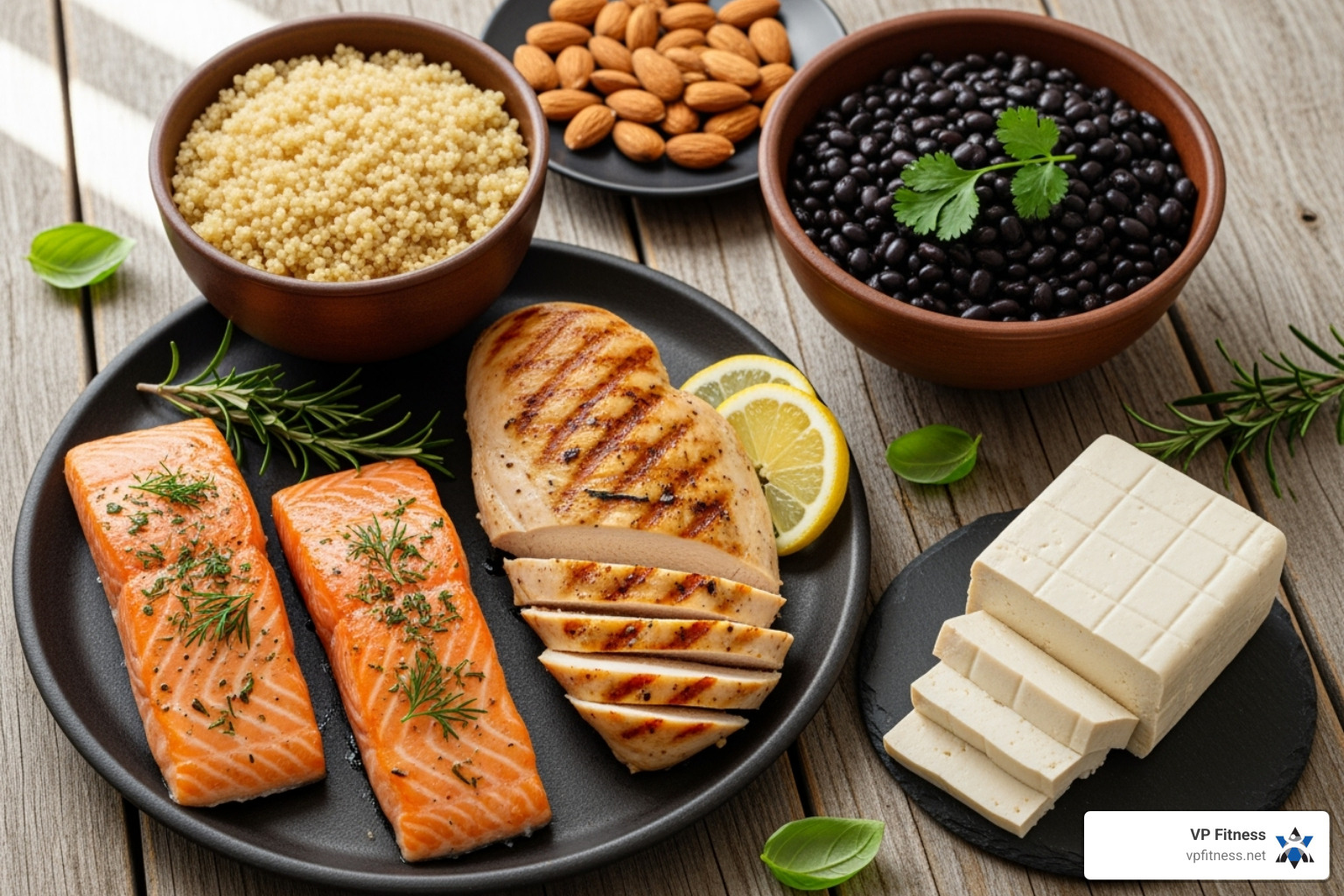
Complete proteins contain all nine EAAs. Animal sources like beef, poultry, fish, eggs, and dairy are highly bioavailable complete proteins. Plant-based complete proteins include soy products (tofu, tempeh, edamame), quinoa, and buckwheat.
Incomplete proteins, like most nuts, seeds, beans, and grains, lack one or more EAAs. However, eating a variety of them throughout the day provides a complete amino acid profile. You don’t need to stress about pairing proteins at every meal; just focus on eating diverse sources throughout the day.
For those looking to optimize their protein intake for fitness goals, following a muscle gain diet offers practical meal planning strategies to ensure you get all the essential amino acids your body needs.
Open uping the Benefits of EAAs for Fitness and Health

Essential amino acids (EAAs) are key to achieving fitness goals. They help you build muscle, recover from workouts, and boost your energy levels. Exercise stimulates muscle protein synthesis, and EAAs are the raw materials your body uses for this repair and growth.
EAAs, especially the branched-chain amino acids (BCAAs), also reduce muscle soreness and speed up recovery. They improve athletic performance by boosting energy production and fighting fatigue. Understanding the importance of strength training is key, as your workouts create the stimulus, but EAAs provide the building blocks for change.
The Role of Essential amino acids in Muscle Building
When building muscle, leucine acts as a key signal to initiate the process. Without enough leucine and other essential amino acids, your body lacks the necessary materials to build muscle effectively. During a calorie deficit, adequate EAA intake helps prevent muscle breakdown, protecting your hard-earned lean muscle mass.
EAAs also combat age-related muscle loss (sarcopenia). EAA supplementation is powerful for older adults; one study showed it helped mitigate muscle atrophy in patients after knee replacement surgery.
Beyond the Gym: Mood, Sleep, and Wound Healing
EAAs are also vital for mental well-being. Tryptophan is used to make serotonin, the “happiness hormone,” which regulates your mood. A review on tryptophan and mood improvement found that supplementation can help healthy people feel more positive. Tryptophan is also needed to make melatonin, the sleep hormone. Better sleep improves recovery, energy, and performance.
For wound healing and recovery, essential amino acids are your body’s repair crew. A steady supply is needed to build new cells and repair damaged tissue. Adequate intake leads to faster healing, fewer post-surgery complications, and a stronger immune response.
Meeting Your Daily Needs: Diet and Supplementation
Getting enough essential amino acids (EAAs) is critical for your body to function. Your body has specific daily requirements for each of the nine EAAs, and meeting them is key to thriving. The World Health Organization provides the following daily intake recommendations based on body weight:
| Essential Amino Acid | Recommended Daily Intake (mg/kg body weight) |
|---|---|
| Histidine | 10 mg |
| Isoleucine | 20 mg |
| Leucine | 39 mg |
| Lysine | 30 mg |
| Methionine | 10.4 mg (combined with tyrosine: 25 mg) |
| Phenylalanine | 25 mg (combined with methionine: 10.4 mg) |
| Threonine | 15 mg |
| Tryptophan | 4 mg |
| Valine | 26 mg |
When you don’t get enough essential amino acids, your body breaks down muscle tissue to compensate. This leads to muscle wasting, chronic fatigue, and a weakened immune system. Severe deficiency can lead to conditions like kwashiorkor, while even mild, chronic deficiency can cause mood disturbances and fatigue.
Whole Foods First
A sound philosophy is food first, supplements second. Most people can meet their EAA needs through a thoughtful, varied diet. Focusing on complete protein sources is simple. Foods like grilled chicken, salmon, eggs, and Greek yogurt provide all nine EAAs. For plant-based diets, tofu, tempeh, and quinoa are great options.
Mixing plant proteins throughout the day also works well. Your body pools amino acids, so combinations like beans and rice for lunch and nuts for a snack will cover your needs. For more detailed guidance, check out this information on complete proteins.
When to Consider EAA Supplements
While whole foods are the foundation, essential amino acid supplements can be a strategic tool in certain situations:
- Athletes and fitness enthusiasts often have higher EAA needs for muscle repair and growth. A post-workout supplement can speed recovery and reduce soreness.
- Older adults become less efficient at using protein. EAA supplements can help support muscle mass and strength.
- Those on a vegetarian or vegan diet can use supplements for convenience and peace of mind.
- During illness, injury, or high stress, your body’s amino acid needs increase, and supplementation can support recovery.
- The convenience of supplements is also a factor during hectic days or travel.
Always consult a healthcare provider before starting supplements. They work best as part of a holistic health approach. Supplements are the cherry on top, not the whole sundae.
Frequently Asked Questions about Essential Amino Acids
Here are answers to common questions clients ask about essential amino acids (EAAs) and their impact on training and health.
What’s the difference between EAA and BCAA supplements?
BCAAs (Branched-Chain Amino Acids) are three of the nine EAAs: leucine, isoleucine, and valine. They are particularly important for muscle growth and recovery. EAAs (Essential Amino Acids) include all nine essential amino acids your body can’t produce.
Therefore, BCAAs are a subset of EAAs. BCAA supplements are targeted for muscle metabolism, while EAA supplements are more comprehensive for overall protein synthesis. For complete nutritional support, EAAs are the better choice.
Can you get all essential amino acids from a vegan diet?
Yes, you can get all nine essential amino acids from a vegan diet with some planning. Complete plant proteins like soy products (tofu, tempeh), quinoa, buckwheat, and hemp seeds contain all nine EAAs.
For incomplete proteins (most beans, grains, nuts, and seeds), the solution is to eat a variety throughout the day. Your body pools amino acids from different meals, so combinations like beans and rice or peanut butter on whole-grain bread will provide a complete profile. Variety is key.
What happens if you don’t get enough essential amino acids?
A lack of essential amino acids forces your body into survival mode. The most immediate effect is muscle breakdown, as your body dismantles muscle tissue to get the amino acids it needs for vital functions.
Other consequences include persistent fatigue, a weakened immune system, mood and sleep problems (due to a lack of precursors for serotonin and melatonin), and poor skin and hair health. In severe cases, chronic deficiency can lead to conditions like kwashiorkor or marasmus.
Fortunately, these deficiencies are preventable with a balanced diet that includes quality protein sources throughout the day.
Fuel Your Performance with the Right Building Blocks
Essential amino acids are your body’s construction crew, fundamental to building, repairing, and maintaining tissue. They are the foundation of your health and fitness journey, not just another nutrition trend.
Your body constantly rebuilds proteins, creating a demand for these building blocks through daily activities and exercise. Providing all nine essential amino acids through quality food sources allows your body to thrive.
Focusing on essential amino acids naturally improves your overall nutrition. Prioritizing complete proteins like eggs, fish, chicken, or plant-based options like quinoa and soy fuels your body with nutrient-dense foods that support all aspects of your health.
Experience shows how proper nutrition transforms results. Your body needs the right raw materials to adapt to training, recover efficiently, and build strength. A food-first approach is simple: every meal is an opportunity to support your goals.
When whole foods aren’t enough (due to intense training, injury, or dietary restrictions), targeted supplementation is a valuable tool. However, supplements should complement a solid nutritional foundation, not replace it.
Ready to take your fitness journey to the next level? Personalized guidance that includes both training and nutrition support can help you create a comprehensive plan that fuels your success from the inside out. When you give your body the right building blocks, there’s no limit to what you can achieve.