

Healing After the Knife with Post-Surgery PT

Healing After the Knife with Post-Surgery PT
Why Post-Surgery Physical Therapy Is the Missing Piece in Your Recovery
Post-surgery physical therapy is a structured rehabilitation process that helps you regain strength, mobility, and function after an operation. Here’s a quick overview of what it does and why it matters:
- Restores movement – guided exercises rebuild range of motion and muscle strength lost during recovery
- Manages pain – targeted techniques reduce swelling and address nerve-related discomfort
- Prevents complications – early movement lowers the risk of blood clots, infections, and scar tissue buildup
- Speeds recovery – patients who begin gentle movement within 24-48 hours after surgery consistently recover faster
- Protects your results – without PT, surgical repairs can heal improperly, leading to lasting functional loss
Surgery fixes the problem. Physical therapy makes the fix stick.
The road back from an operation is rarely straightforward. Even after a successful procedure, your body still has to rebuild. Muscles weaken fast – sometimes within just 48 hours of inactivity. Scar tissue begins forming almost immediately. And without guided movement, what starts as a smooth recovery can stall into stiffness, pain, and setbacks.
Consider the experience of patients recovering from serious knee injuries: the physical and emotional weight of relearning how to walk, rebuilding strength, and working through working through complications like blood clots can be overwhelming. Recovery is rarely just physical – it demands consistency, patience, and the right support structure.
I’m Joseph DePena, a rehabilitation and movement specialist based in Providence, Rhode Island, and my experience building personalized recovery-focused programs has shown me how critical structured movement is to post-surgery physical therapy outcomes. Understanding how the body heals – and how to support that process with the right exercise protocols – is something I bring to every recovery-focused program.
Know your post-surgery physical therapy terms:
The Essential Role of Post-Surgery Physical Therapy
When the anesthesia wears off and the surgical team has done their part, the real work begins. Surgery is merely the “opening act.” The headliner of your recovery is post-surgery physical therapy.
The primary role of physical therapy in postoperative recovery is multifaceted. It isn’t just about “getting moving”; it’s about a scientifically backed approach to rehabilitation that addresses the trauma your body just endured. Surgery, while necessary, is a controlled form of injury. Your body responds with inflammation, swelling, and a natural instinct to guard the affected area by tensing up.
Working with a licensed physical therapist is essential because they understand the delicate balance between protecting the surgical site and preventing the “rust” of inactivity. One of the most critical roles of PT is pain management. Post-surgical pain isn’t just caused by inflammation; it can stem from direct nerve damage or nerves being compressed by swelling. A therapist uses manual techniques and specific movements to alleviate this pressure, often reducing the need for heavy reliance on opioid medications.
Furthermore, PT is vital for scar tissue mitigation. While scar tissue is a natural part of healing, left unchecked, it can become thick and “hard,” binding to surrounding muscles and tendons. This creates a permanent loss in range of motion. Through targeted mobilization, therapists help ensure that new collagen fibers lay down in a way that allows for flexibility rather than restriction.
Reducing Risks and Secondary Complications
Inactivity is the enemy of a successful recovery. When we stay in bed too long after a procedure, our circulation slows down, which opens the door to serious secondary complications. The most feared of these is Deep Vein Thrombosis (DVT), or blood clots that form in the deep veins of the legs. If these clots break loose, they can travel to the lungs, causing a life-threatening pulmonary embolism.
Post-surgery physical therapy acts as a pump for your circulatory system. Even simple ankle pumps or assisted leg lifts performed shortly after surgery can significantly lower these risks. Beyond blood clots, PT helps prevent:
- Infections: Improved blood flow carries the white blood cells needed to fight off potential infections at the incision site.
- Respiratory Issues: Inactivity often leads to shallow breathing, which can cause fluid buildup in the lungs and even pneumonia.
- Cardiovascular Decline: Your heart and lungs lose “fitness” quickly when sedentary. Physical therapy helps rebuild that stamina safely.
For those looking into athletic recovery, these preventative measures are the foundation that allows you to return to high-intensity training later on without your body “breaking down” from secondary weaknesses.
Why Early Post-Surgery Physical Therapy Matters
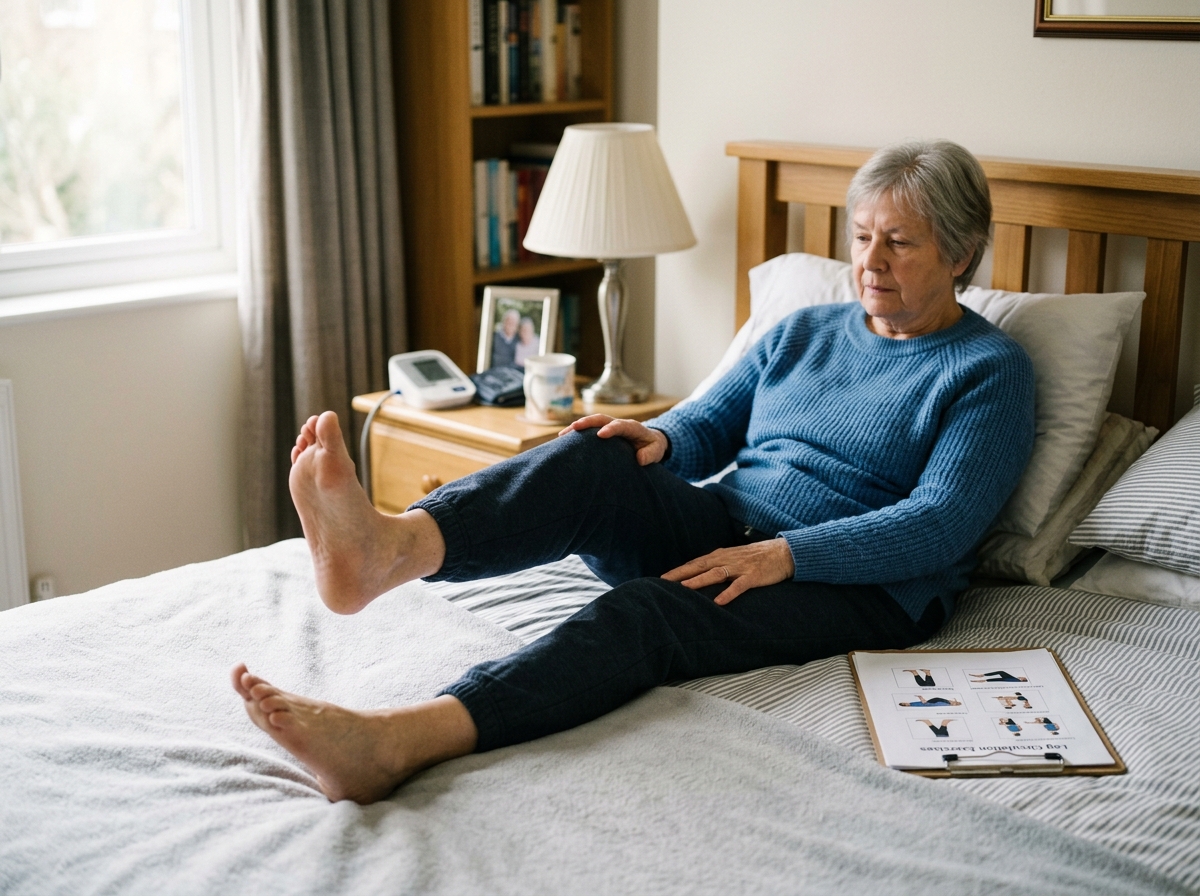
Timing isn’t just everything; it’s the only thing when it comes to the first few days after your operation. Research consistently shows that patients who begin gentle movement within the 24-48 hour window achieve faster functional independence.
Why the rush? Muscle atrophy begins almost immediately. Within just two days of total rest, your muscles start to lose their “fire.” This is particularly true for the quadriceps after knee surgery. If you don’t stimulate those muscles early, the brain can actually “forget” how to engage them—a phenomenon known as arthrogenic muscle inhibition.
Early intervention also addresses managing knee pain and stiffness before they become chronic. By introducing safe, controlled movement early, patients maintain the “slide and glide” of their tissues. This early movement isn’t about lifting weights; it’s about maintaining nerve health and muscle memory so that when you are ready to rebuild strength, the foundation is already there.
Common Phases of Postoperative Rehabilitation
Recovery doesn’t happen all at once. It follows a biological roadmap. We generally break down post-surgery physical therapy into three distinct phases, each with its own set of goals and restrictions.
| Phase | Timeline | Primary Focus | Key Interventions |
|---|---|---|---|
| Phase 1: Protection | Days 1–14 | Pain/Swelling Control | Passive ROM, Ice, Elevation |
| Phase 2: Repair | Weeks 2–6 | Restoring Mobility | Active Stretching, Light Strength |
| Phase 3: Remodeling | Weeks 8+ | Strength & Function | Resistance Training, Balance |
Understanding these post-surgical protocols helps manage expectations. You wouldn’t try to run a marathon with a broken leg; similarly, you shouldn’t rush into Phase 3 exercises when your body is still in the “Protection” phase.
Phase 1: Protection and Pain Management
The “Acute Phase” is all about survival and stabilization. Your body is in high-alert mode, and the surgical site is fragile. During these first two weeks, the focus is on:
- Managing Swelling: Using compression, elevation, and gentle “muscle pumping” to move fluid out of the limb.
- Passive Movement: This is where the therapist moves your limb for you. It keeps the joint lubricated without putting stress on the muscles that were cut or repaired.
- Wound Care & Protection: Ensuring you know how to move without ripping stitches or putting weight on a repair that isn’t ready for it.
If you’re dealing with back pain therapy after a spinal fusion or discectomy, this phase involves learning how to “log roll” out of bed and use mobility aids like walkers or canes to ensure you don’t twist or bend your spine prematurely.
Phase 2: The Repair and Movement Phase
Typically spanning weeks two through six, this is the “Movement Phase.” The initial trauma has subsided, and your body is busy building new tissue to bridge the surgical gap.
The goals here shift toward active movement. Instead of the therapist doing the work, you start moving the limb under your own power. We focus on back pain exercises and flexibility routines that target neuromuscular control—essentially re-teaching your brain how to talk to your muscles. This is the stage where therapists start to break down that early scar tissue and ensure your range of motion is returning to normal levels.
Phase 3: Rebuilding Strength and Function
From week eight and beyond, the tissue has healed enough to handle resistance. This is where physical therapy focuses on joint health through progressive strength training.
In this phase, therapists often introduce:
- Gait Training: Re-learning how to walk with a normal stride, without a limp or compensatory lean.
- Balance Training: Re-training the nervous system to stabilize the body, which is crucial for preventing falls in older adults or re-injury in athletes.
- Functional Training: Mimicking daily activities—like squatting to pick up a grocery bag or reaching into a high cabinet—to ensure you’re ready for real life.
Effective Techniques Used in Post-Surgery Physical Therapy
We don’t just use one tool to get you back on your feet. A comprehensive post-surgery physical therapy plan utilizes a variety of techniques tailored to your specific surgery and body type.
- Manual Therapy: This involves hands-on manipulation of muscles and joints. It’s not a massage; it’s a targeted effort to improve tissue extensibility and joint mechanics.
- Therapeutic Exercises: These are the bread and butter of exercise and PT. They are specific movements designed to correct imbalances and rebuild muscle fibers.
- Hydrotherapy: Often used for patients who are “non-weight bearing,” water buoyancy allows you to move your joints and build cardiovascular health without the stress of gravity.
- Ultrasound & Electrical Stimulation (E-Stim): These modalities use sound waves or gentle electric currents to reduce pain, decrease swelling, and “jumpstart” muscles that are struggling to contract.
Specialized Protocols for Joint and Spine Recovery
Different surgeries require vastly different approaches. Here’s a look at some common post-surgical rehabilitation paths:
- ACL Reconstruction: Focuses heavily on quadriceps activation and “proprioception” (balance) to ensure the new ligament isn’t overstressed.
- Total Hip Arthroplasty (Hip Replacement): Focuses on gait training and avoiding specific movements (like crossing your legs) that could dislocate the new joint.
- Spinal Fusion: Emphasizes core stability and “neutral spine” awareness to protect the levels above and below the fusion.
- Rotator Cuff Repair: Requires a very slow progression from passive to active movement to protect the delicate tendon-to-bone healing.
Evidence-Based Outcomes and Cost Efficiency
Is all this effort worth it? The data says a resounding yes. Research into post-surgery physical therapy reveals some staggering statistics:
- Cost Savings: Every 1% increase in PT spending after a hip replacement is associated with a $76 reduction in total healthcare costs.
- Reduced Hospital Stays: Accelerated clinical pathways that include early PT show a median cost reduction of 11% compared to standard care.
- Functional Gains: PT patients often see a 2-fold increase in their ambulation distance from their first session to their last.
- Readmission Rates: While some inpatient studies show varied results, consistent outpatient PT is a primary driver in preventing the falls and complications that lead to 30-day hospital readmissions.
By investing in maximizing your recovery, you aren’t just feeling better—you’re making a smart financial and health decision.
Maximizing Your Recovery at Home
The hour you spend in therapy is important, but the other 23 hours of the day are where the real healing happens. Adherence to your Home Exercise Program (HEP) is the single biggest predictor of success.
To get the most out of your post-surgery physical therapy, keep these tips in mind:
- Adherence: Do your stretches. Even when you’re tired. Even when it’s boring. Consistency is what rewires the brain.
- Body Mechanics: Pay attention to how you sit, stand, and move. Use the “log roll” or the “hip hinge” techniques your therapist taught you.
- Nutrition: Your body needs protein to rebuild tissue. Focus on a diet rich in lean proteins, vitamins C and D, and zinc.
- Sleep: This is when your body releases growth hormones to repair the “damage” from surgery and the day’s exercises.
- Nicotine Avoidance: Smoking constricts blood vessels and significantly slows down bone and tissue healing. If there was ever a time to quit, this is it.
If you’re still looking for the best therapy in Providence, prioritize a provider that can support both your medical recovery and your gradual return to normal activity.
Frequently Asked Questions about Post-Surgery PT
When should I start physical therapy after surgery?
In most cases, the sooner, the better. For major orthopedic surgeries like joint replacements, gentle movement often begins within 24 to 48 hours. However, for abdominal or complex spinal surgeries, your surgeon may want you to wait until the initial wound healing is more secure. Always follow your specific surgeon’s referral.
How long does the rehabilitation process typically take?
It depends on the “size” of the surgery. Minor procedures (like a simple meniscus “cleanup”) might only require 4 to 6 weeks. Major reconstructions, like an ACL repair or a spinal fusion, typically require 3 to 6 months of formal PT, followed by several more months of independent strengthening.
Can I skip physical therapy if I feel fine?
We strongly advise against it. Feeling “fine” often means the initial pain has subsided, but it doesn’t mean your strength, balance, or range of motion have returned. Skipping PT leads to “improper healing,” where you develop compensatory patterns that cause pain in other parts of your body (like your lower back hurting because your hip is still weak).
Conclusion
The journey from the operating table back to your daily life is a marathon, not a sprint. Post-surgery physical therapy is the guide that helps you through every mile, ensuring you don’t just “get by,” but that you truly regain strength and function. Whether it’s preventing life-threatening blood clots in the early days or rebuilding the strength to handle everyday tasks months later, PT is the foundation of long-term success.
A successful recovery plan should provide a professional, clean, and encouraging environment where your progress is personalized to your goals. The aim isn’t just to help you walk again; it’s to help you move better, safer, and with more confidence.
Ready to turn your recovery into a comeback? Start your recovery journey today and take the next step toward bridging the gap between “healed” and “strong.”