

Peanut Butter Smoothies: Your New Favorite Blend

The Ultimate Creamy, Dreamy Drink
A Peanut butter smoothie is one of the simplest, most satisfying drinks you can make—and it takes just 5 minutes from start to finish. Here’s what you need to know:
Quick Peanut Butter Smoothie Recipe:
- Ingredients: Frozen banana, 2 tbsp peanut butter, 1 cup milk (any type), ice cubes
- Instructions: Add all ingredients to blender, blend until smooth (30-60 seconds)
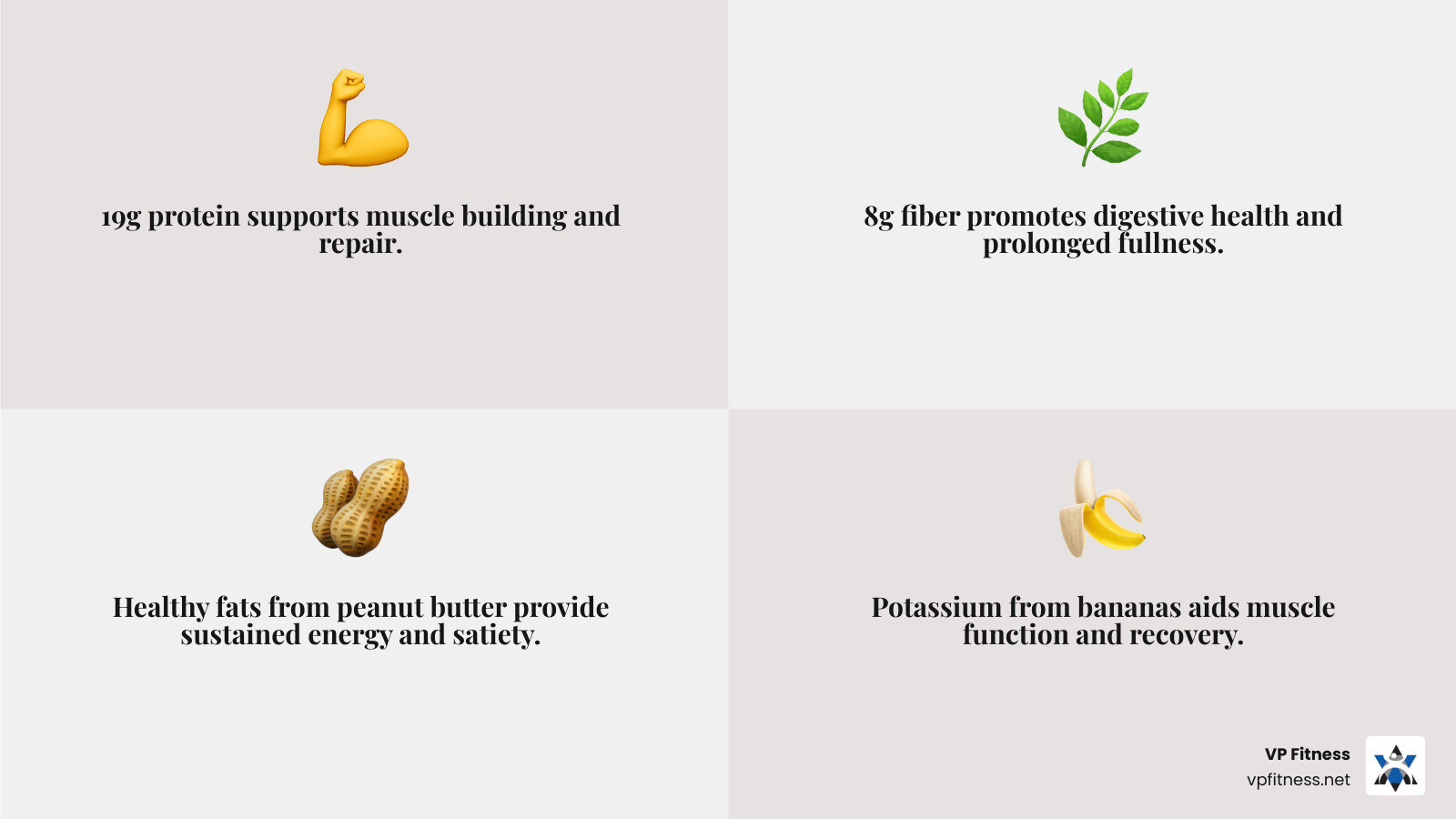
- Nutrition: Approximately 19g protein, 8g fiber, healthy fats for sustained energy
- Best For: Quick breakfast, post-workout recovery, satisfying snack
This thick, creamy blend delivers the perfect combination of protein, healthy fats, and complex carbs—making it ideal whether you’re rushing out the door in the morning, need a post-workout recovery drink, or just want something that actually keeps you full.
The magic of a peanut butter smoothie isn’t just in the taste (though the sweet and nutty flavor is hard to beat). It’s in how the ingredients work together. The banana provides natural sweetness and potassium. The peanut butter adds protein and healthy fats that help you feel satisfied. When made with the right milk and a few smart additions, you’re looking at a drink that won’t leave you hungry 30 minutes later.
Research shows that smoothies made with 2% milk and plain low-fat Greek yogurt can pack a whopping 19 grams of protein and 8 grams of fiber. That’s real fuel for your body—not empty calories.
I’m Joseph Depena, and I’ve spent over a decade helping clients fuel their workouts with smart nutrition choices like a well-crafted Peanut butter smoothie. Whether you’re training for strength gains or just trying to stay energized through a busy day, this simple blend can become your go-to power-up.
Why a Peanut Butter Smoothie is the Perfect Power-Up
Let’s be honest—between work, family, and trying to squeeze in a workout, sitting down for a proper meal isn’t always realistic. That’s exactly why I’m such a big believer in the Peanut butter smoothie. It’s not just delicious; it’s genuinely one of the smartest nutritional choices you can make for your body.
The real magic happens when you combine protein, healthy fats, and fiber in one glass. This trio creates something special: actual satiety. You know that annoying thing where you grab a snack and you’re starving again half an hour later? A properly made Peanut butter smoothie stops that cycle in its tracks. The combination of protein and healthy fats from the peanut butter works together to keep you feeling satisfied for hours, not minutes.
But the benefits go way beyond just feeling full. If you’re serious about fitness, this smoothie becomes a powerful tool for muscle recovery. Peanut butter is naturally higher in both fat and protein, making it an ideal balanced energy source whether you’re about to hit the gym or you’ve just finished crushing a workout. The protein supports muscle repair and helps your body build new muscle tissue, while the healthy fats provide the kind of sustained energy that doesn’t leave you crashing.
When you add a banana to the mix, you’re bringing in potassium for muscle function and cramp prevention, plus natural sweetness without any added sugar. Toss in some oats, and you’re boosting your fiber and vitamin E intake. It’s a complete package that actually supports what your body needs.
The Nutritional Punch
Let me break down exactly what you’re getting when you blend up a Peanut butter smoothie. When you make it with ingredients like 2% milk and plain low-fat Greek yogurt, you’re looking at around 19 grams of protein and 8 grams of fiber in a single serving. Those aren’t just impressive numbers—they translate to real benefits your body can use.
That protein content is gold for anyone trying to build or maintain muscle. Whether you’re lifting weights at the gym or just trying to stay strong and healthy, your muscles need protein to repair and grow. It’s not optional; it’s essential.
The healthy fats from peanut butter do something really important: they slow down digestion and provide a steady release of energy. This is why you won’t get that sugar spike and crash you’d get from, say, a juice or a sugary breakfast bar. You get sustained energy that carries you through your morning or powers you through an afternoon workout.
The complex carbs from bananas or oats give you readily available energy when you need it most. Bananas also bring those crucial electrolytes like potassium, which your muscles absolutely need to function properly. And the fiber? It keeps your digestive system happy and contributes significantly to that full, satisfied feeling.
Timing is Everything: Pre or Post Workout?
Here’s a question I get all the time: should you drink a Peanut butter smoothie before or after your workout? The good news is that it works beautifully either way—you just need to understand what each timing does for your body.
Before your workout, a smoothie serves as premium fuel. Eating something before you train isn’t just helpful—it’s crucial for preventing that weak, dizzy, or exhausted feeling mid-workout. The ideal window is anywhere from 30 minutes to 3 hours before you start exercising. Since smoothies are liquid, they digest faster than solid meals, which means you can drink one closer to your workout time without feeling heavy or sluggish.
The complex carbs from the banana or oats give you immediate energy to power through those first few sets or miles. Meanwhile, the protein and healthy fats from the peanut butter provide sustained energy that prevents you from hitting a wall halfway through. This combination helps you push harder and train longer without running out of gas.
After your workout is when your body goes into serious recovery mode. Your muscles have tiny tears that need repair, and your glycogen stores are depleted and need refilling. This is exactly when protein and carbohydrates become your best friends.
The protein in your smoothie immediately starts working on muscle repair and synthesis, helping you recover faster and come back stronger. The carbohydrates quickly replenish the energy stores you just burned through. And those healthy fats? They support the overall recovery process and help your body absorb important vitamins.
Whether you’re fueling up for a training session or recovering after one, a Peanut butter smoothie gives your body exactly what it needs when it needs it. Countless people use this strategy all the time with excellent results—it’s simple nutrition that actually works.
Crafting the Perfect Peanut Butter Smoothie: A Step-by-Step Guide
There’s something deeply satisfying about making a Peanut butter smoothie—maybe it’s the simplicity, or maybe it’s knowing that in just 5 minutes, you’ll have a thick, creamy drink that tastes like dessert but fuels your body like a proper meal. Either way, this is one of those recipes that makes healthy eating feel effortless.
The blending process itself is wonderfully straightforward. You don’t need fancy equipment or culinary skills—just a decent blender and a few minutes of your time. The key to achieving that smooth, velvety texture is layering your ingredients properly and knowing when to stop blending (usually around 30 to 60 seconds).
The Essential Peanut Butter Smoothie Recipe
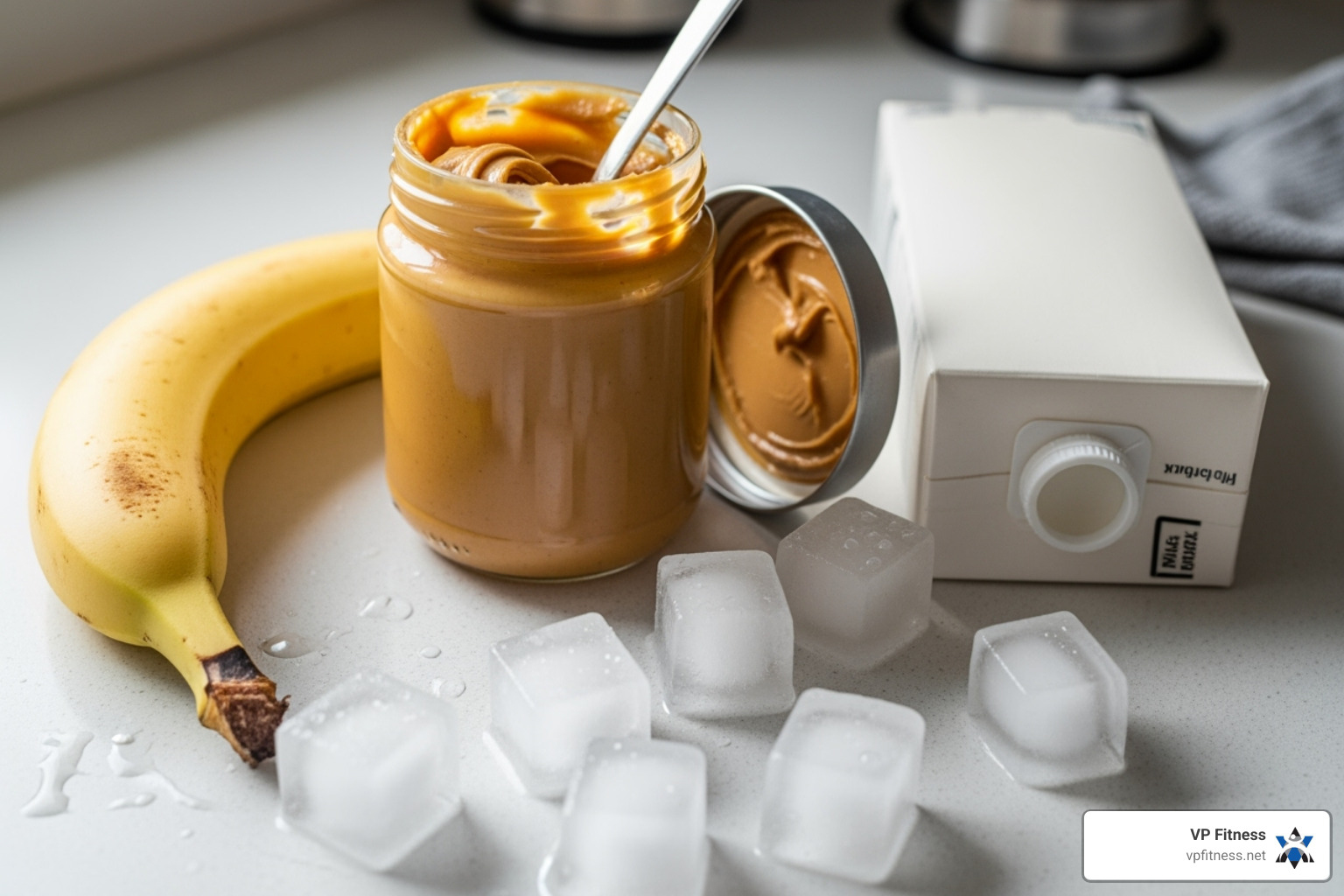
Let’s talk about what you actually need. The beauty of a basic Peanut butter smoothie is that you probably have everything sitting in your kitchen right now. We’re talking four essential ingredients—that’s it.
Start with one frozen banana, which gives you both natural sweetness and that thick, ice cream-like consistency. Then add 2 to 3 tablespoons of natural peanut butter for that rich, nutty flavor along with protein and healthy fats. Pour in 1 cup of milk—whatever type you prefer works beautifully, whether that’s dairy or a plant-based alternative. Finally, toss in a handful of ice cubes if your banana isn’t fully frozen or you want an extra-cold drink.
The actual blending is simple. Pour the milk into your blender first—this helps the blades move freely and prevents everything from getting stuck. Layer in the frozen banana, peanut butter, and ice cubes. Start blending on low speed, then gradually increase to high. After 30 to 60 seconds, you should have a completely smooth and creamy mixture. If it’s too thick for your liking, add milk one tablespoon at a time until you reach your perfect consistency.
Then comes the best part: pouring that gorgeous, creamy blend into a tall glass and taking that first sip. For another simple approach to this classic drink, you might enjoy this peanut butter smoothie recipe that keeps things beautifully straightforward.
Pro Tips for a Thicker, Creamier Smoothie
Now, if you want to take your Peanut butter smoothie from good to absolutely incredible, there are a few tricks worth knowing. These are the little secrets that make the difference between a watery disappointment and a thick, spoon-worthy masterpiece.
Freezing your bananas is hands down the most important tip. A frozen, ripe banana creates that terrific creamy texture and concentrated sweetness that makes this drink so satisfying. Here’s what we do: peel ripe bananas (the ones with brown spots are actually the sweetest), slice them into 1-inch pieces, and freeze them overnight in an airtight bag or container. This eliminates the need for excess ice, which can water down the flavor.
When it comes to adjusting the liquid, patience is your friend. If your smoothie turns out too thick, resist the urge to dump in a bunch of milk. Instead, add it one tablespoon at a time, blending after each addition. This gives you precise control over the consistency.
Consider using frozen fruit instead of ice cubes. Frozen berries or extra frozen banana chunks add creaminess and flavor without diluting your smoothie. It’s a simple swap that makes a noticeable difference.
Greek yogurt is another game-changer. A scoop of plain Greek yogurt significantly boosts the protein content while adding incredible creaminess and a pleasant tang. Since Greek yogurt is naturally higher in protein than regular yogurt, it’s an excellent addition for anyone focused on muscle recovery or staying full longer.
Finally, don’t underestimate chia seeds. These tiny powerhouses absorb liquid and expand, creating a gel-like consistency that makes your smoothie wonderfully thick. They also pack a nutritional punch with fiber, omega-3s, protein, and antioxidants. Just a tablespoon transforms the texture completely.
Many smoothie bars use these exact techniques to create thick, satisfying blends that customers love after tough training sessions. The difference between a mediocre smoothie and an exceptional one often comes down to these simple adjustments.
Customize Your Blend: Variations and Dietary Swaps
The basic Peanut butter smoothie is fantastic on its own, but here’s where things get really fun. Once you’ve mastered the core recipe, you can experiment with flavors, boost the nutrition even further, or adapt it to fit your specific dietary needs. Think of it as your blank canvas—the peanut butter and banana foundation is solid, and now you get to paint with whatever flavors and ingredients make you happy.
Popular Flavor Pairings
Peanut butter plays well with others. It’s one of those ingredients that can go sweet, indulgent, fruity, or even a little savory. Here are some tried-and-true flavor combinations that transform your Peanut butter smoothie into something special.
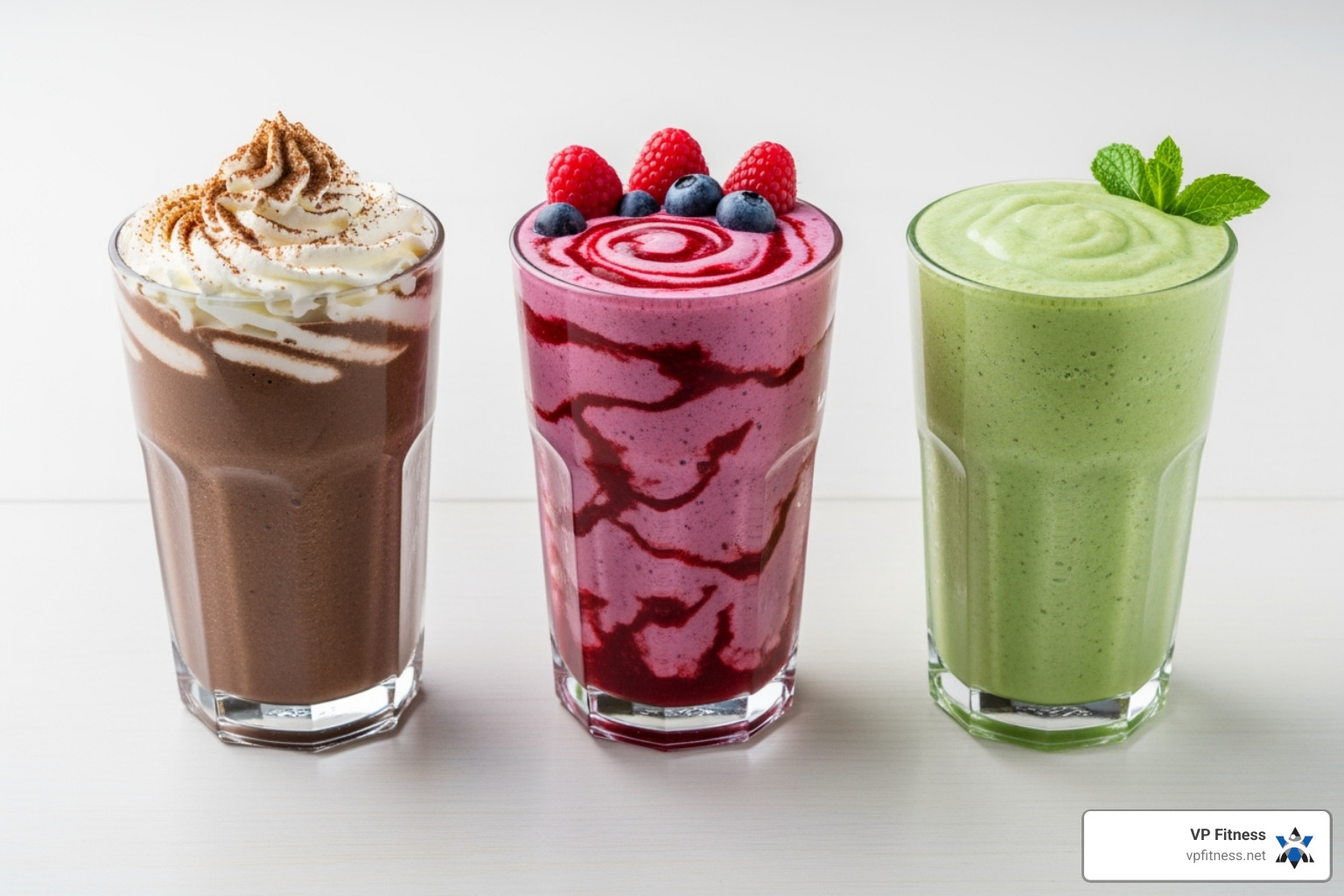
Chocolate peanut butter is the obvious starting point—and for good reason. Add one to two tablespoons of unsweetened cocoa powder to your blender, and suddenly you’re sipping on something that tastes like a melted peanut butter cup. If you want it a touch sweeter, a drizzle of maple syrup does the trick. For more inspiration, check out this Chocolate Peanut Butter Smoothie or go all-in with a Peanut Butter Cup Smoothie.
The peanut butter and jelly combo translates beautifully into smoothie form. Toss in a handful of frozen strawberries, blueberries, or raspberries, and you’ve got that nostalgic PB&J flavor with a major antioxidant boost. Berries are among the most antioxidant-rich fruits you can add, bringing vibrant color and a tart-sweet balance that cuts through the richness of the peanut butter.
For something a little different, try apple peanut butter. Add half a cored apple along with a pinch of cinnamon, and you get a crisp, refreshing twist that feels like fall in a glass. Apples bring natural sweetness, fiber, and antioxidants, making this a great seasonal variation.
Need a morning jolt? Coffee peanut butter smoothies are where it’s at. Add a shot of cold brew or a teaspoon of instant coffee grounds to your blender. The slight bitterness of coffee complements the nutty sweetness of peanut butter in a way that’s surprisingly delicious and energizing.
Power-Packed Add-Ins
If you want to turn your Peanut butter smoothie from a satisfying snack into a full-blown meal replacement or post-workout powerhouse, these additions can help. They boost nutrition, increase satiety, and make your smoothie work even harder for you.
Rolled oats are a game-changer for thickness and sustained energy. Whole rolled oats blend right in, adding fiber that helps you stay full longer and contributing to that thick, creamy consistency. For optimal smoothness, you can pulse them alone in the blender first before adding the other ingredients.
Adding protein powder gives you an extra protein punch, which is especially helpful after a tough workout or if you’re trying to increase your daily protein intake. Choose a flavor that complements peanut butter—vanilla and chocolate are solid bets.
We’ve mentioned Greek yogurt before, but it’s worth repeating. It significantly boosts protein, adds a lovely creamy texture, and brings a pleasant tang that balances the sweetness. Stick with plain, unsweetened varieties to keep the sugar content in check.
Don’t underestimate the power of spinach. A handful of fresh spinach blends seamlessly into your smoothie, adding vitamins and minerals without changing the taste. It’s an effortless way to sneak in some greens, and you won’t even know they’re there.
Chia seeds and flax seeds are tiny nutritional powerhouses. Chia seeds are loaded with fiber, omega-3s, protein, and antioxidants, plus they naturally thicken your smoothie as they absorb liquid. Ground flax seeds offer similar benefits, including healthy fats and fiber that support digestion and heart health.
A pinch of cinnamon, allspice, or nutmeg adds warmth and depth to your smoothie, enhancing the overall flavor without adding calories or sugar.
Here’s a secret ingredient: cauliflower. Add a cup of frozen cauliflower florets for an invisible veggie boost. It adds vitamin C and creates an incredibly creamy texture without any noticeable flavor. It sounds unusual, but it’s a genius way to pack in extra nutrition.
Dietary Customizations for Your Peanut Butter Smoothie
One of the best things about a Peanut butter smoothie is how easily it adapts to different dietary needs. Whether you’re vegan, dairy-free, or dealing with nut allergies, you can still enjoy this delicious drink.
For vegan options, the swap is simple. Choose a plant-based milk alternative and make sure any protein powder you use is plant-based. The core ingredients—banana and peanut butter—are typically vegan already. Many Peanut butter smoothie recipes are naturally adaptable for dairy-free, vegan, and vegetarian diets.
Dairy-free milks are everywhere now, and they work beautifully in smoothies. Unsweetened almond milk is a classic choice, light and neutral. Oat milk adds extra creaminess and a subtle sweetness. Soy milk offers a good protein boost compared to other plant milks. Choosing unsweetened varieties helps you control the sugar content and lets the natural sweetness of the banana shine through.
If you’re looking for plant-based protein, opt for a protein powder made from pea, rice, or hemp. These blend well and provide that satisfying fullness without any dairy.
For those with peanut allergies, you’re not left out. You can easily swap nut butters for a seed butter alternative. Sunflower seed butter (often called sunbutter) is an excellent choice, offering a similar creamy texture and nutritional profile without the peanuts. It’s just as delicious and keeps your smoothie safe for everyone.
With all these customization options, there’s truly a Peanut butter smoothie for everyone—no matter your taste preferences or dietary needs.
Frequently Asked Questions about Peanut Butter Smoothies
We hear a lot of questions about Peanut butter smoothies, especially from people who are looking to fuel their workouts without spending hours in the kitchen. Whether you’re grabbing one at a smoothie bar or blending one at home, here are the answers to the most common questions we get.
How long does it take to make a peanut butter smoothie?
Honestly, this is one of the fastest recipes you’ll ever make. A Peanut butter smoothie takes about 5 minutes from start to finish. That includes gathering your ingredients, tossing them in the blender, and cleaning up afterward. The actual blending time is usually just 30 to 60 seconds.
This is why so many people love them for busy mornings. You can literally make one, drink it on your way out the door, and still have time to spare. It’s the kind of recipe that removes all excuses—no one is too busy for 5 minutes.
What is the nutritional breakdown of a typical peanut butter smoothie?
The nutrition in your Peanut butter smoothie really depends on what you put in it, but the basic version is already packed with good stuff. A typical smoothie made with a frozen banana, 2-3 tablespoons of peanut butter, and a cup of milk will give you roughly:
Calories range from about 335 to 442, depending on the type of milk and exact measurements. Protein usually lands between 13 and 19 grams—even more if you add Greek yogurt or protein powder. Healthy fats from the peanut butter come in around 19 to 24 grams, which help keep you satisfied for hours. Carbohydrates typically fall between 34 and 49 grams, mostly from the banana’s natural sugars and starches. Fiber can range from 3 to 8 grams, supporting digestive health and fullness.
If you start adding power-ups like oats, chia seeds, or extra Greek yogurt, those numbers climb even higher. Some of the more macro-packed versions can deliver 30 grams of protein and over 13 grams of fiber. You’re also getting significant amounts of potassium for muscle function, calcium for bone health, iron for energy, and vitamin E as an antioxidant.
The beauty of a Peanut butter smoothie is that you can adjust the ingredients to match your goals. Training hard and need more protein? Add a scoop of protein powder. Need sustained energy for a long day? Throw in some oats. The recipe adapts to you.
How can I serve or present my smoothie?
You can just pour your Peanut butter smoothie into a glass and call it a day—and there’s nothing wrong with that! But if you want to make it feel a bit more special, especially if you’re treating yourself after a tough workout, here are some ideas.
A simple drizzle of extra peanut butter on top makes it look and taste more indulgent. Sprinkle on some mini chocolate chips for a dessert-like touch, or add crushed peanuts for extra crunch and protein. Fresh banana slices arranged on top are both pretty and delicious. A handful of granola adds texture and makes it feel more substantial.
For a more filling option, try making a smoothie bowl. Just use less liquid to make your blend extra thick, pour it into a bowl, and arrange your toppings artfully. Think granola, fresh berries, coconut flakes, chia seeds, and that essential peanut butter drizzle. It becomes something you eat with a spoon, almost like a healthy ice cream.
We know that how you present your food matters. When your post-workout meal looks appealing, you’re more likely to enjoy it and stick with your nutrition plan. Sometimes the small touches make the biggest difference in staying consistent with healthy habits.
Fuel Your Fitness with the Perfect Blend
Here’s what we’ve finded together: a Peanut butter smoothie isn’t just another recipe to add to your collection. It’s a genuine game-changer for anyone looking to fuel their body smartly, whether you’re crushing a morning workout, rushing to get the kids to school, or simply need something that keeps you satisfied until lunch.
The beauty lies in its simplicity. Five minutes, a handful of ingredients, and you’ve got yourself a drink that delivers real nutrition—not empty calories. We’re talking about protein for muscle recovery, healthy fats for sustained energy, and fiber that keeps hunger from creeping back an hour later. It’s the kind of practical solution that actually fits into real life, not just the perfectly curated version we see on social media.
What I love most about the Peanut butter smoothie is how it grows with you. Start with the basic recipe, then experiment. Add spinach when you’re feeling virtuous. Throw in some chocolate when you need a pick-me-up. Make it vegan, dairy-free, or pack it with extra protein—it adapts to whatever your body needs that day.
We’ve seen how nutrition and training work hand in hand. You can’t out-exercise a poor diet, and you can’t fuel great workouts without smart food choices. That’s why a holistic approach is so important—one that includes both personalized training plans and practical nutrition guidance that you’ll actually follow.
Think of your Peanut butter smoothie as part of a bigger picture. It’s one tool in your wellness toolkit, alongside consistent training, proper recovery, and support from people who understand your goals. When all these pieces come together, that’s when real change happens.