

The Tailored Path to Fitness: Building Your Perfect Exercise Routine

Why One-Size-Fits-All Workouts Don’t Work
A personalized exercise routine is a custom workout plan designed for your unique body, goals, and lifestyle. Unlike generic programs, it’s built on an individual assessment of your fitness level and health history, uses exercises you prefer, and adapts as you get stronger. It’s designed to fit your real-life schedule and is adjusted based on your progress.
If you’ve ever quit a workout program, the problem likely wasn’t your willpower—it was the plan. Most fitness advice ignores a fundamental truth: your body is unique. Research highlights this gap: only 6% of sports and exercise science studies focus on women, meaning most advice is based on male physiology. Furthermore, some people show zero improvement from exercise programs that work wonders for others, despite doing the exact same workouts.
The fitness industry often pushes cookie-cutter solutions, but your genetics, injury history, and daily schedule are different from everyone else’s. Personalization changes everything by working with your body’s natural tendencies to create sustainable results.
For over a decade, experienced personal trainers have created personalized exercise routines for busy professionals. Their experience has shown that the most successful clients are those whose programs fit their real lives.
Why a Custom Workout Beats a Generic Plan
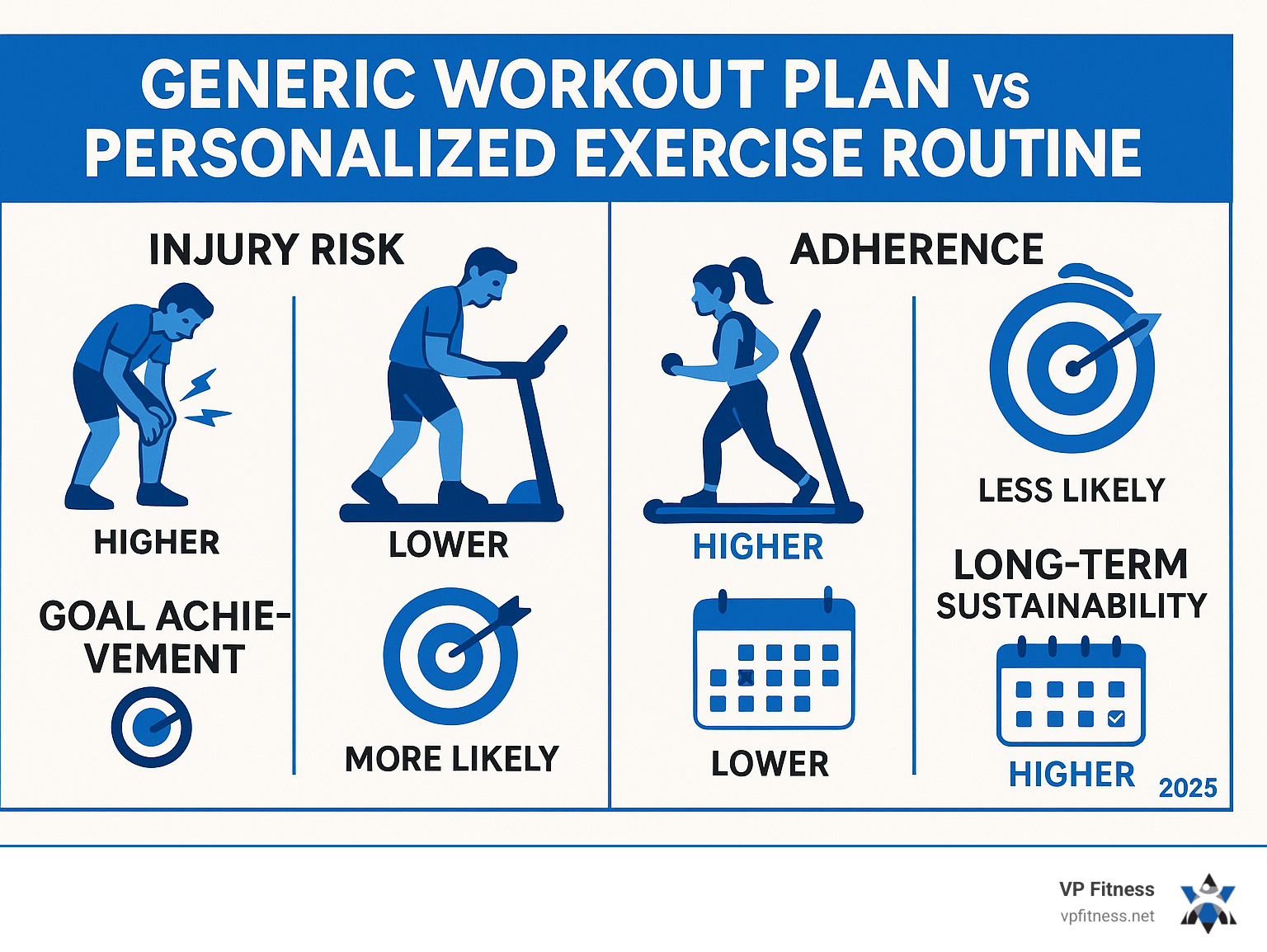
Ever wonder why that popular workout app left you feeling defeated? Generic plans are designed for everyone, which means they’re actually designed for no one. A personalized exercise routine changes the game by working with your reality, not against it.
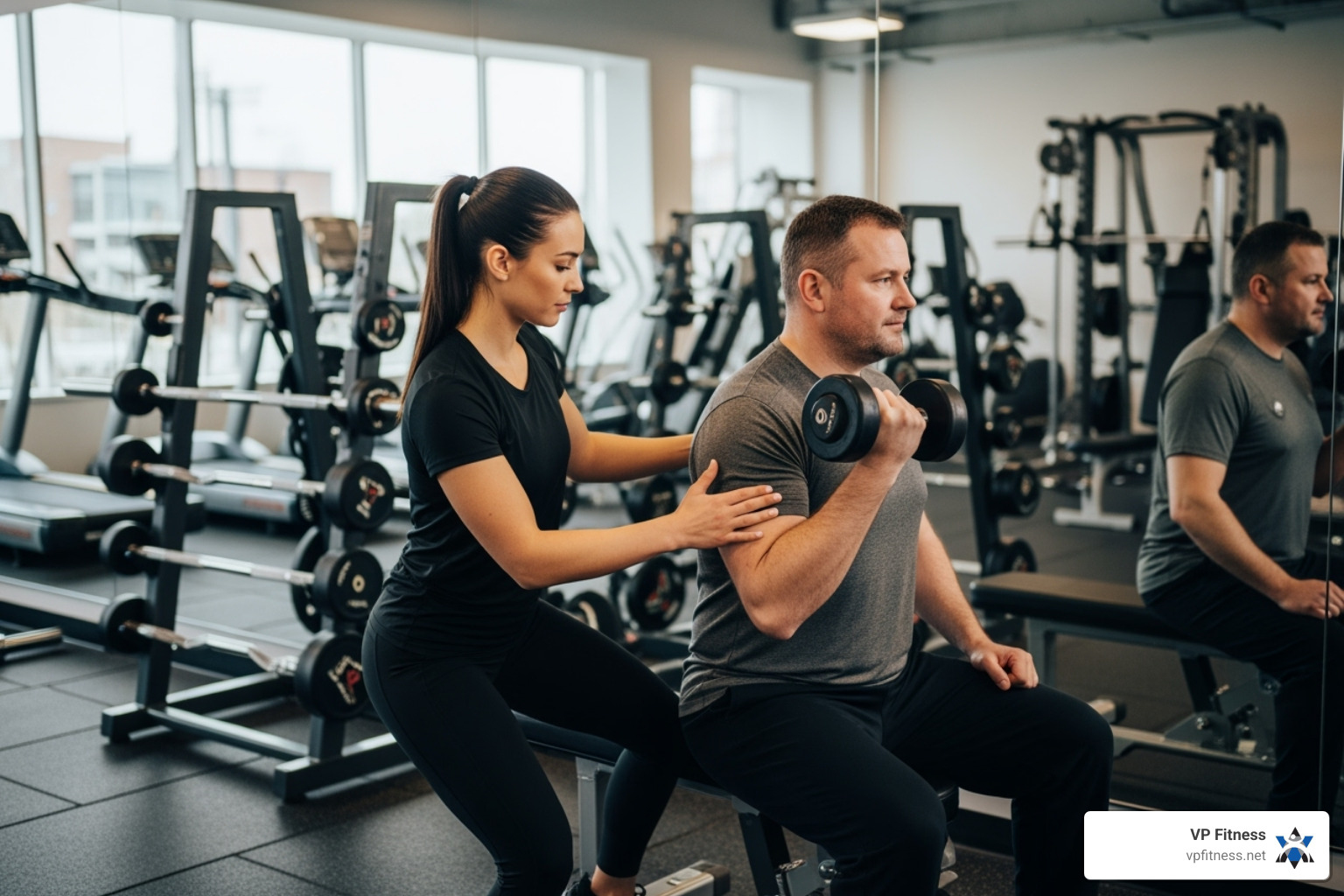
This custom approach immediately boosts motivation. When exercises are challenging but doable, you want to show up. This leads to better results because every movement is optimized for your body. Injury prevention becomes automatic when exercises are chosen based on your history and limitations. You also gain efficiency, as every minute of your workout is productive, which dramatically improves adherence.
Here’s a surprising fact: women are drastically underrepresented in fitness studies, with only 6% of sports science research focusing on female physiology. Most generic programs are based on data from male subjects, explaining why many women struggle with one-size-fits-all approaches.
Understanding Your Unique Biology
Your body has its own instruction manual, but most workout plans never read it. Genetic influence plays a massive role in how you respond to exercise, predisposing you to either power or endurance. Your muscle fiber types also matter; a plan that works with your natural strengths is more effective than one that fights them. For women, hormonal cycles cause fluctuations in energy and strength that generic plans ignore. Smart personalization uses these rhythms to your advantage.
Scientific research confirms that individuals respond differently to the same workout. Some see huge benefits in blood sugar control or cholesterol levels, while others see none. This proves that your body’s response to exercise is as unique as your fingerprint.
Generic vs. Personalized: The Core Differences
The gap between generic and personalized plans is clear when compared side-by-side.
| Feature | Generic Workout Plan | Personalized Exercise Routine |
|---|---|---|
| Goal Clarity | Vague (“get in shape”) | Specific, measurable (“run a 5K in under 30 minutes”) |
| Adherence | High dropout rates | Higher adherence through motivating progression |
| Injury Risk | Higher risk from unsuitable exercises | Safer with proper form guidance |
| Efficiency | Inefficient, not optimized | Highly efficient, optimized for your body |
| Adaptability | Rigid, one-size-fits-all | Flexible, adapts with you |
| Motivation | Often leads to frustration | Builds confidence and consistency |
A generic plan might recommend exercises that aggravate an old injury or a schedule that’s impossible to keep. A personalized exercise routine starts with your reality. It considers your fitness level, physical limitations, preferred exercises, and real schedule. This isn’t just about comfort—it’s about getting results by sticking with a plan that truly fits your life.
The Blueprint: Key Factors for Your Custom Workout
Creating your personalized exercise routine is like designing a custom home: you need a solid foundation built on who you are and where you’re headed. The process starts with you—not a fitness trend. It considers your history, your equipment, and what works for your daily life.

Assess Your Starting Point
First, we need an honest look at where you are right now. Your current fitness level is the starting line, not a judgment. Whether you’re a true beginner or returning after a break, your starting point determines the approach. A beginner’s body adapts quickly, while an intermediate needs more strategic progression.
Your health conditions and past injuries are critical. An old shoulder injury or lower back pain aren’t roadblocks; they are guideposts that help us choose the right exercises and avoid the wrong ones. Similarly, mobility limitations, like tight hips from sitting, must be addressed. A good plan works to improve these limitations, not ignore them. An experienced trainer can spot these issues and modify exercises to keep you safe and challenged.
Define Your “Why”: Setting SMART Fitness Goals
“I want to get in shape” is too vague. Your personalized exercise routine needs clear, meaningful goals. The SMART framework is a game-changer here. Goals should be Specific (e.g., “deadlift my bodyweight”), Measurable (pounds, minutes, inches), Achievable (a 5K in three months, not a marathon next month), Relevant (connecting to what matters in your life), and Time-bound (a 12-week deadline).
Whether your goal is weight loss, muscle gain, or endurance, clarity transforms random activity into purposeful training. This focus naturally boosts motivation and accountability.
Consider Your Lifestyle and Preferences
The best workout plan is the one you’ll actually do. Your personalized exercise routine must fit your real life. Honestly assess your workout schedule. How much time can you realistically commit? Three focused 30-minute sessions are better than five hours you don’t have.
Your time availability matters. Are you a morning person or an evening exerciser? There’s no wrong answer. The at-home vs. gym decision is also personal. Some thrive on the gym’s energy, while others prefer the privacy of home. Both can be effective.
Finally, what enjoyable activities appeal to you? If you hate running, we won’t build your plan around it. The goal is to make fitness something you look forward to. Whether you prefer solo or group training, the format should match your personality. The key is to start where you’re comfortable and stay open to growth.
Building Your Plan: A Step-by-Step Guide to a Personalized Exercise Routine
Now, let’s assemble your fitness blueprint into an actionable plan. We’ll use proven principles to ensure your personalized exercise routine is balanced and effective. By designing it yourself, every decision is made with your specific needs in mind.
Step 1: Choose Your Workout Structure
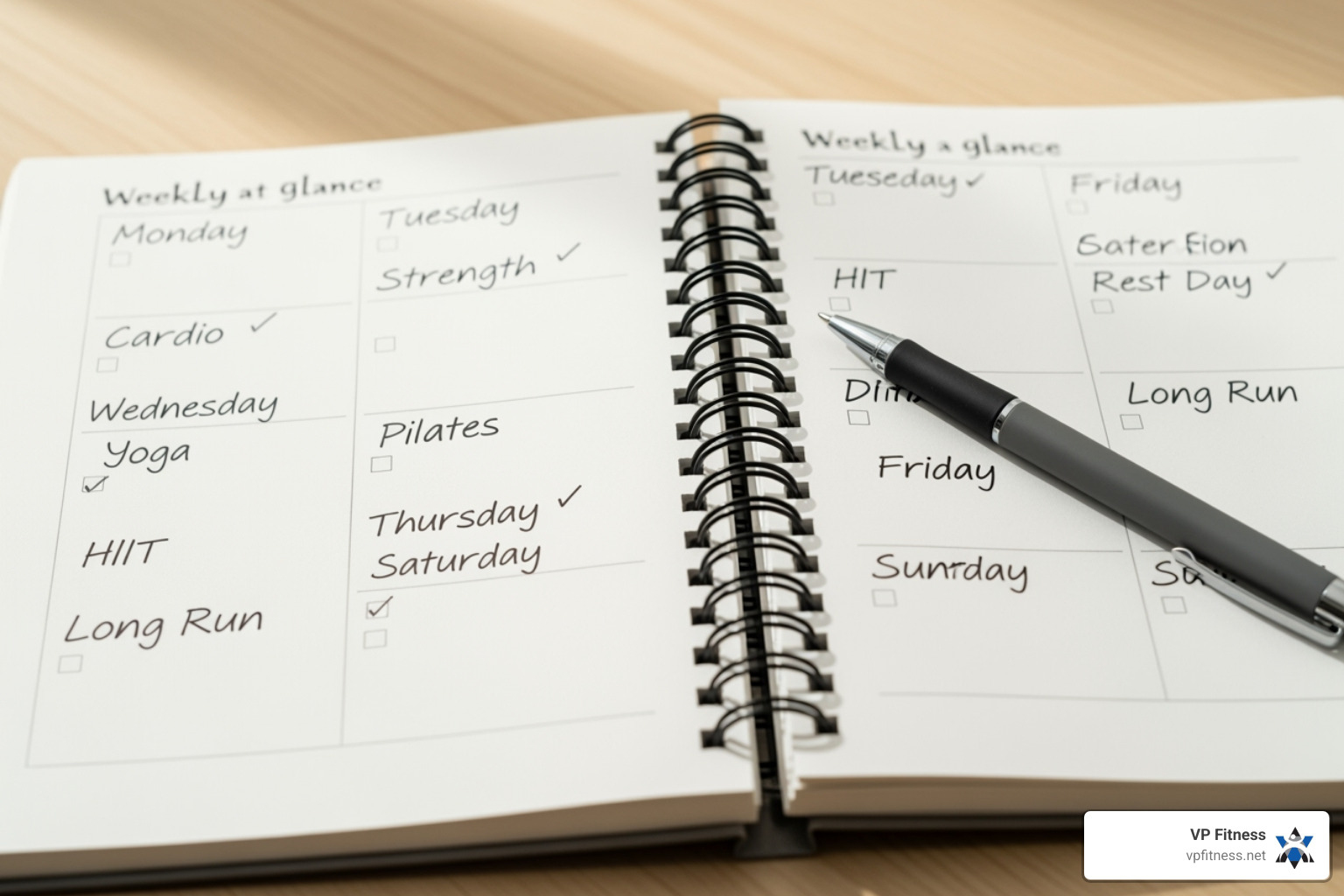
Your workout “split” organizes your training throughout the week.
- Full Body: Train all major muscle groups each session. Ideal for beginners or those with 2-3 days per week. It builds strength and coordination efficiently.
- Upper/Lower Split: Dedicate separate days to your upper and lower body. This allows for more focus on each area and requires at least four days a week.
- Push/Pull/Legs Split: Divides workouts by movement pattern (pushing, pulling, legs). Excellent for building muscle but typically requires more training days.
Your training frequency should match your recovery ability and lifestyle. Listen to your body and be honest about what you can sustain.
Step 2: Select Your Exercises
Choose a smart mix of exercises that addresses your goals.
- Compound movements are your priority. Exercises like squats, deadlifts, and push-ups work multiple muscles at once and are highly efficient.
- Isolation exercises like bicep curls or calf raises target specific muscles to address weaknesses or for aesthetic goals.
- Bodyweight exercises (push-ups, lunges, planks) are incredibly effective for home workouts. When you have access to equipment, weighted exercises allow for easier progressive overload.
- For cardiovascular health, aim for 150 minutes of moderate activity per week. Find something you enjoy, like dancing, hiking, or swimming.
- Always include 5-7 minutes of warm-ups (dynamic stretching) and cool-downs (static stretching) to prepare your body and aid recovery.
Step 3: Structuring Your First Personalized Exercise Routine
Let’s define the parameters: sets (rounds), repetitions (reps per round), and rest periods. These numbers should align with your goals. For strength, use fewer reps with heavier weight; for endurance, use more reps with lighter weight. Beginners often start with 2-3 sets of 8-12 reps.
Progress comes from progressive overload—gradually increasing the challenge by adding weight, reps, or more advanced variations. Without it, your body stops adapting.
Here’s a sample beginner’s 3-day full-body routine:
- Day 1 (Strength): Warm-up, then 3×10-15 Bodyweight Squats, 3×8-12 Push-ups (on knees if needed), 3×10-15 Dumbbell Rows, 3×30-60s Planks. Cool-down.
- Day 2 (Cardio & Core): 30 minutes of brisk walking or cycling, plus core work like crunches and glute bridges.
- Day 3 (Strength): Warm-up, then 3×10-12 Lunges (per side), 3×10-12 Overhead Press, 3×12-15 Superman Extensions, 3x30s Side Planks (per side). Cool-down.
While templates are a good start, a certified personal trainer provides immense value by perfecting your form, adjusting your routine, and providing motivation to ensure your plan delivers great results.
Evolving Your Routine: Tracking, Technology, and Troubleshooting
Your personalized exercise routine is a living document that should evolve with you. As you get stronger and your goals shift, your workout must adapt. This is where you learn to track progress, use technology, and avoid common pitfalls.

How to Track Progress and Adjust for Continued Success
People who track their workouts see the best results. It provides data to guide your decisions. A workout journal or fitness app works well—just be consistent. Track your exercises, sets, reps, and weights, but also note how you felt. This information is gold.
Use progressive overload for continued gains. When you can easily complete your target reps with good form, it’s time to add more weight, an extra rep, or a harder variation. However, listening to your body is just as important. Adjust your intensity based on how you feel daily.
You’ll know it’s time to change your routine when progress stalls, you’re bored, or your goals change. Most people benefit from bigger changes every 4-6 weeks. Accountability coaching can be invaluable here, helping you make the right adjustments.
The Role of Technology and Fitness Apps
Technology can greatly support your fitness journey. Workout generators and fitness apps can create solid routines, while wearable technology like smartwatches offers insights into heart rate, sleep, and recovery. This data analysis helps you make smarter decisions about when to push hard and when to rest.
However, technology works best when combined with human expertise. An app can’t watch your form or provide the encouragement a coach can. The combination of smart tech and experienced coaching is where the magic happens.
Common Mistakes to Avoid
Even with a great personalized exercise routine, certain mistakes can derail you. The good news is they’re all preventable.
- Overtraining: More isn’t always better. Muscles grow during recovery, so pushing too hard without adequate rest leads to fatigue and injury.
- Poor form: It’s better to do fewer reps perfectly than more reps sloppily. Good form is safer and more effective.
- Neglecting rest: Rest days are growth days. Aim for 7-8 hours of sleep per night to allow your body to repair and adapt.
- Ignoring nutrition: You can’t out-train a poor diet. Fueling your body properly, especially with enough protein, is essential for results.
- Unrealistic expectations: Fitness is a journey with ups and downs. Focus on consistency over perfection, and celebrate small wins along the way.
Frequently Asked Questions about Personalized Workouts
Let’s tackle some of the most common questions about creating and maintaining a personalized exercise routine.
How often should I change my personalized workout routine?
Your body adapts, so you should adjust your routine every 4-6 weeks to avoid plateaus. This doesn’t mean a complete overhaul. Small tweaks—like adding a set, increasing weight, or trying a new exercise variation—keep your muscles guessing. The most important cues come from listening to your body. If you’re bored, stalled, or your goals have shifted, it’s time for a refresh. The key is consistent progressive overload—gradually challenging yourself more over time.
Can I build a personalized exercise routine for home with no equipment?
Absolutely! Your body is the most versatile piece of equipment you own. Bodyweight exercises like push-ups, squats, planks, and lunges can provide a fantastic workout. You can also get creative with household items: use a chair for dips, stairs for cardio, or water jugs for weights. The key to success is focusing on proper form and gradually increasing the difficulty as you get stronger. Your personalized exercise routine can grow with you, with or without equipment.
Is it better to work with a personal trainer or create my own plan?
While creating your own personalized exercise routine is possible, working with a certified personal trainer offers expertise, safety, and accountability. A trainer understands how to design an effective program, can spot and correct poor form before it causes an injury, and provides motivation when you need it most. Countless clients have achieved incredible goals with professional guidance. Investing in a trainer, even for a few sessions to get started, can set you up for years of safe, effective training. Your body deserves that level of care.
Conclusion
Your fitness journey doesn’t have to be a battle against programs that weren’t made for you. Your body is unique, and your workout should be too. A personalized exercise routine is the most effective, sustainable path to achieving your goals. By understanding your biology, setting SMART goals, and building a routine that fits your real life, you stop fighting your body and start working with it.
The beauty of this approach is its adaptability. Your routine grows with you, celebrating victories and adjusting to life’s challenges. This flexibility transforms exercise from a chore into a lifestyle.
Consistency is your secret weapon, not perfection. Every workout and healthy choice moves you closer to your goals. Both great days and tough days are part of the journey.
This philosophy is built on this truth. The power of individualized training has been shown to transform lives. Whether you need personalized fitness plans, group classes, or physical therapy, the right program meets you where you are.
A professional, clean environment is designed to help your personalized exercise routine flourish, in a space where you feel supported and your goals take center stage. Ready to find what fitness feels like when it’s designed for you? Your journey starts with that first personalized step.