

Sip Your Way to Health: Top-Rated Clean Eating Smoothies for a Quick Boost

Plant based smoothies: 5 Health Boost
Why Plant-Based Smoothies Are Your Secret Weapon for Quick, Nutrient-Packed Fuel
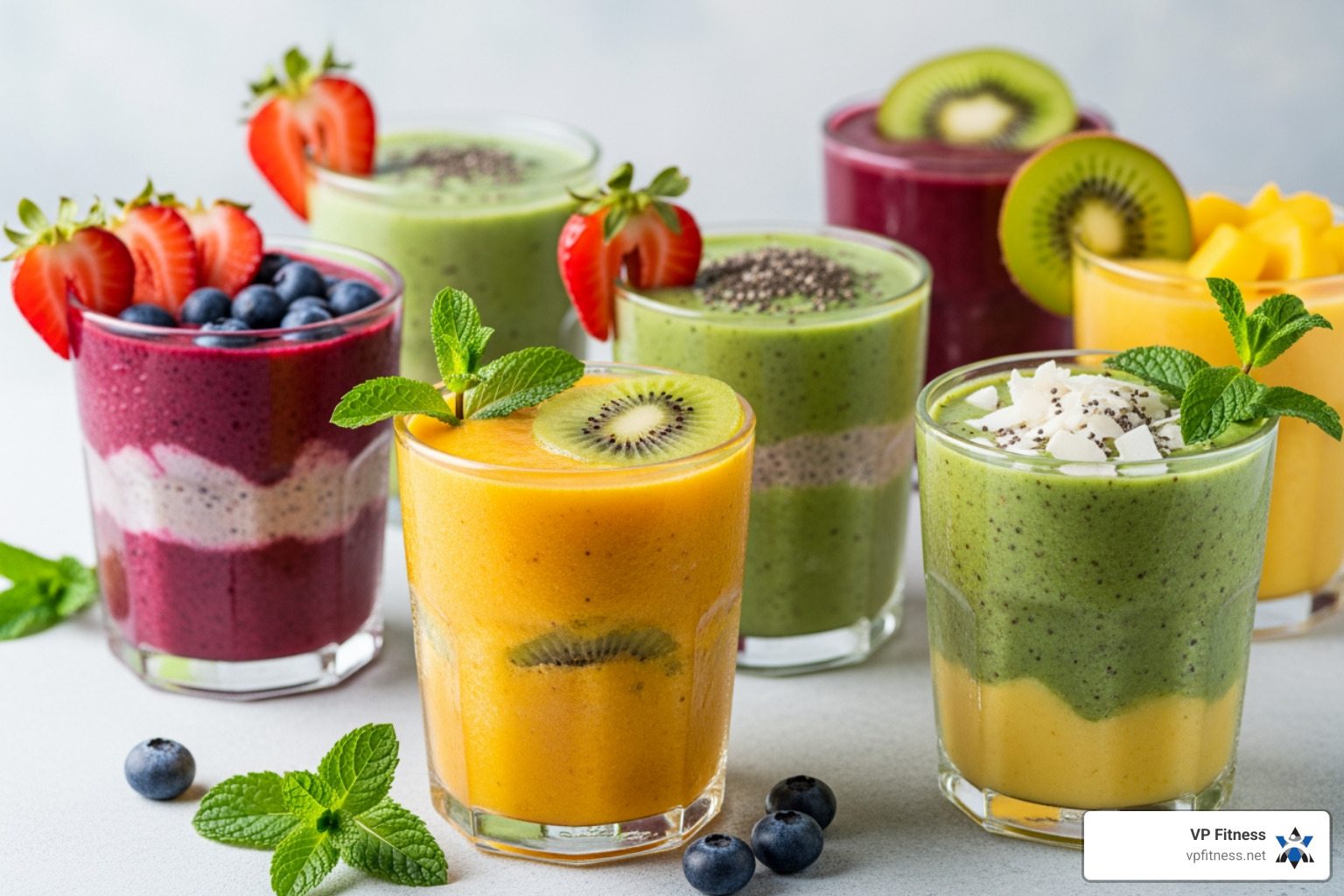
Plant based smoothies are one of the fastest, most delicious ways to pack serious nutrition into your busy day. Whether you’re looking for a quick breakfast, a post-workout recovery drink, or a healthy snack that actually keeps you full, these blended powerhouses deliver vitamins, fiber, protein, and healthy fats in minutes.
Here’s what makes plant-based smoothies so effective:
- Energy boost from natural fruit sugars and complex carbs
- Improved digestion thanks to high fiber content from fruits, veggies, and seeds
- Weight management support when built with the right balance of protein and healthy fats
- Better nutrient absorption since blending breaks down cell walls in produce
- Rich in antioxidants that fight inflammation and support recovery
The plant-based food market has exploded—growing from $29.7 billion in 2022 to a projected $169.3 billion by 2030. That’s a 24.2% annual growth rate, driven largely by people finding that plant-forward eating doesn’t mean sacrificing taste or satisfaction. Smoothies are the perfect gateway into this lifestyle because they’re simple, customizable, and genuinely delicious when you know what you’re doing.
Fitness experts have spent decades helping clients fuel their training with smart nutrition choices, including plant based smoothies that support their fitness goals. On-site smoothie bars at many gyms have become a cornerstone of members’ wellness routines, providing the right blend of nutrients to power workouts and accelerate recovery.
Plant based smoothies terms explained:
- Peanut butter smoothie
- Pre workout smoothie
- Protein shakes gym
Why Drink Plant-Based Smoothies? Unpacking the Benefits
We often hear about the latest health trends, but plant based smoothies aren’t just a fad; they’re a powerful tool for enhancing your overall well-being. Beyond their convenience, these vibrant concoctions offer a multitude of benefits that can significantly impact your health and fitness journey.
One of the most immediate advantages is the incredible nutritional density. By blending a variety of fruits, vegetables, seeds, and plant-based proteins, we create a powerhouse of vitamins, minerals, and antioxidants. This concentrated dose of nutrients can lead to increased energy levels, helping us power through our daily exercise benefits and maintain focus throughout the day. No more mid-afternoon slumps!
Furthermore, the high fiber content in plant based smoothies is a game-changer for improved digestion. Ingredients like chia seeds, flax seeds, and leafy greens contribute soluble and insoluble fiber, which promotes gut health, aids in regular bowel movements, and can even help lower blood cholesterol and balance blood sugar levels. A healthy gut is fundamental to overall health, influencing everything from immunity to mood.
For those focused on weight management, plant based smoothies can be an invaluable ally. When crafted correctly, they are filling and satisfying, helping to curb cravings and reduce overall calorie intake. The combination of fiber, protein, and healthy fats keeps us feeling fuller for longer, making it easier to stick to our dietary goals. This is especially true when we consider how smoothies can help us transition our diet and fitness routine for fall or any season, by providing a convenient way to integrate seasonal produce.
The growing popularity of plant-based options underscores a broader societal shift towards healthier, more ethical, and environmentally conscious eating. The plant-based milk market alone is projected to grow to USD 33.5 billion by 2030, reflecting a clear consumer demand for these choices. Many find that adopting a whole food plant-based (WFPB) approach, as outlined in resources like Dr. Fuhrman’s book, Eat to Live, can lead to significant health improvements.
By choosing plant based smoothies, we’re not just making a quick meal; we’re investing in our long-term health, supporting our fitness ambitions, and embracing a delicious, sustainable way to nourish our bodies.
Building Your Perfect Smoothie: A Step-by-Step Guide
Crafting the ideal plant based smoothie is more art than science, but having a solid blueprint helps. Think of it as building a nutritious masterpiece, layer by layer. The key is to balance flavors, textures, and, most importantly, nutrients.
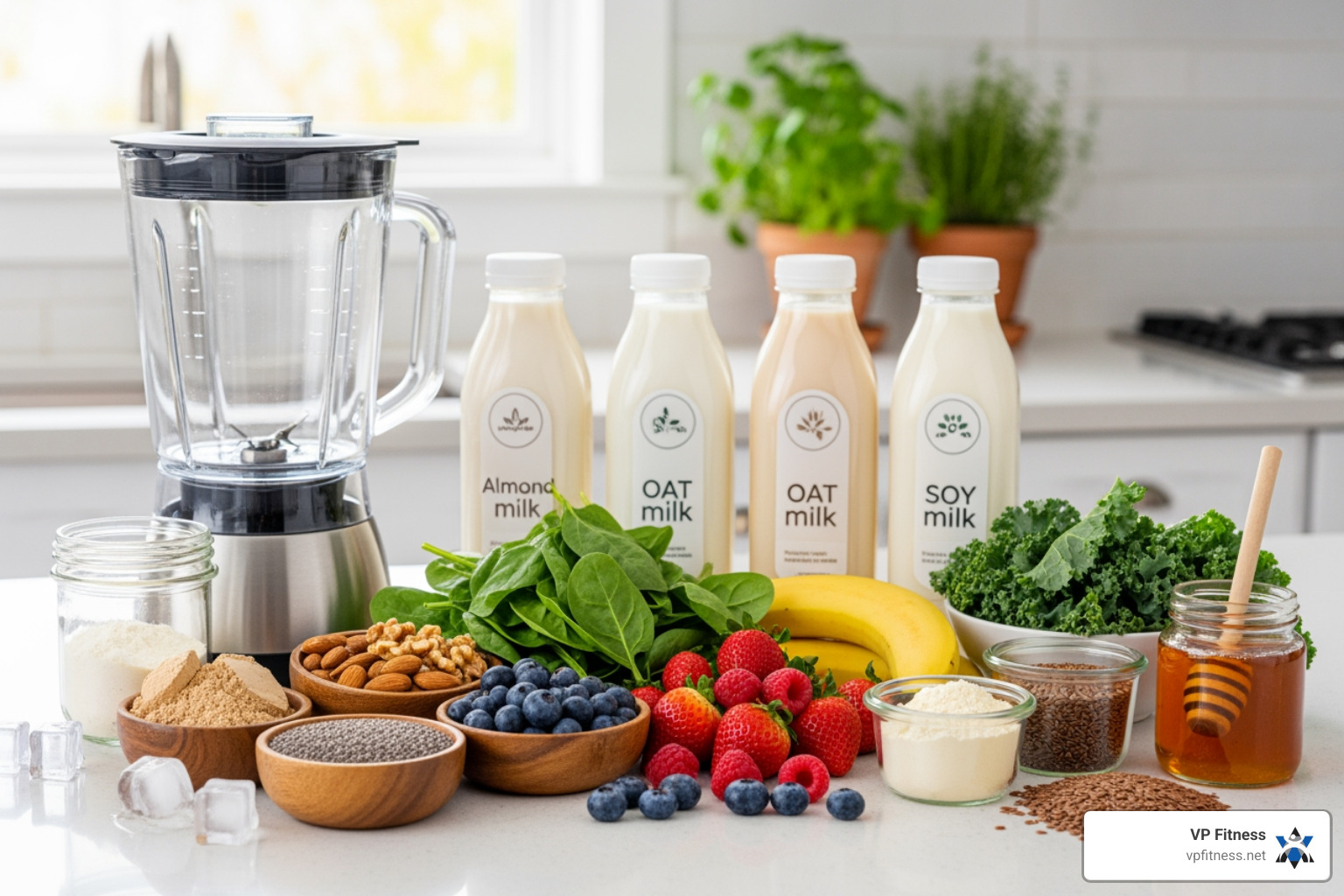
Our formula for success starts with a good foundation and the right tools. A high-powered blender is truly a game-changer here. As many experienced smoothie makers will tell you, investing in a quality blender, such as a Vitamix, can make a “WHOLE NEW WORLD” of difference in achieving that perfectly smooth, creamy consistency without any unwelcome chunks or “little green bits.” It ensures all ingredients, especially fibrous greens, are thoroughly pulverized, making nutrients more accessible and your smoothie more enjoyable.
Essential Ingredients for Healthy Plant based smoothies
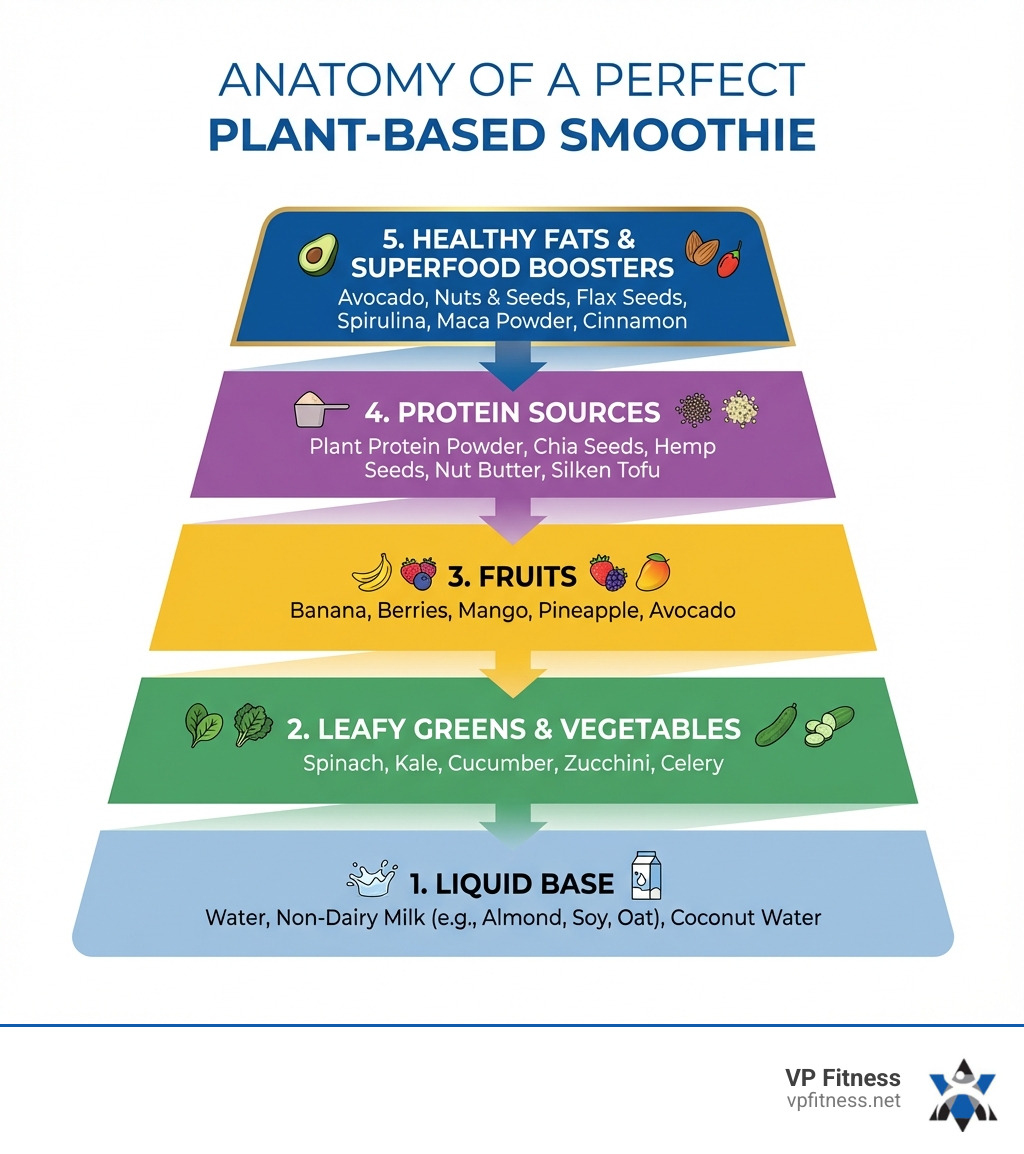
To build a truly healthy and satisfying plant based smoothie, we focus on a few core components:
- Liquid Base: This is the foundation of your smoothie. It helps blend everything together and contributes to the overall consistency. We’ll dive into the best choices shortly.
- Fruits: These provide natural sweetness, essential vitamins, and fiber. Frozen fruits are often preferred because they create a thicker, colder smoothie without the need for ice, which can dilute the flavor. Think berries, bananas, mangoes, pineapples, and peaches. For extra creaminess, a ripe banana is a smoothie’s best friend.
- Leafy Greens: Don’t skip these! Spinach and kale are fantastic additions, packing a punch of vitamins, minerals, and antioxidants. Start with milder spinach if you’re new to green smoothies, as it has a very subtle flavor.
- Healthy Fats: These are crucial for satiety, brain health, and nutrient absorption. Avocado adds incredible creaminess and healthy monounsaturated fats. Chia seeds and ground flax seed are excellent sources of Omega-3 fatty acids and fiber, helping you stay full longer.
- Plant-Based Protein: To make your smoothie a more complete meal or a powerful post-workout recovery drink, protein is essential. Hemp seeds offer a complete protein profile, while plant-based protein powders (like pea, rice, or a blended vegan protein) are convenient. We love using high-quality, organic, raw, and vegan protein powders, especially fermented ones, as they can aid in digestion. Consider a fermented brown rice protein for its digestibility benefits, and remember that essential amino acids are the building blocks of muscle.
Choosing the Best Liquid Base
The liquid base you choose can significantly impact the flavor, texture, and nutritional profile of your plant based smoothie. Here’s a quick guide to our favorites:
| Liquid Base | Calories (per cup) | Protein (g) | Creaminess | Notes |
|---|---|---|---|---|
| Unsweetened Almond Milk | ~35 | ~1 | Low | Light flavor, low-calorie base. |
| Unsweetened Soy Milk | ~80 | ~7 | Medium-High | Highest in protein, very creamy. |
| Unsweetened Oat Milk | ~120 | ~3 | High | Naturally sweet and exceptionally creamy. |
| Coconut Water | ~45 | ~2 | Low | Hydrating, adds electrolytes and a tropical taste. |
| Water | 0 | 0 | None | Calorie-free, lets other ingredients shine. |
5 Easy & Delicious Plant-Based Smoothie Recipes to Try Today
Now that we understand the building blocks of a great smoothie, let’s get blending! Here are five easy and delicious plant based smoothies custom for different needs, proving that healthy eating can be both simple and incredibly satisfying.
1. The Energizer: Pre-Workout Power Boost
Need a quick burst of energy before hitting the gym or starting your day? This smoothie is packed with natural sugars and invigorating ginger to get your blood flowing.
Ingredients:
- 1 cup unsweetened almond milk (or water)
- 1/2 frozen banana
- 1/2 cup frozen mango chunks
- 1/2 orange, juiced (use a hand lemon squeezer for fresh juice!)
- 1/2 inch fresh ginger, peeled
- Pinch of turmeric (optional, for an anti-inflammatory kick)
Why we love it: The natural sugars from the fruit provide quick fuel, while ginger is known for its invigorating properties. This blend is perfect as a pre workout smoothie to boost energy levels.
2. The Recovery: Post-Workout Muscle Repair
After a tough workout, your muscles need nourishment to repair and grow. This smoothie delivers protein, antioxidants, and healthy fats to aid in recovery.
Ingredients:
- 1 cup unsweetened almond or soy milk
- 1 cup mixed frozen berries (strawberries, blueberries, raspberries)
- 1 handful fresh spinach
- 1 scoop fermented brown rice protein (or other plant-based protein powder)
- 1 tbsp chia seeds
Why we love it: Berries are rich in antioxidants, helping to reduce exercise-induced inflammation. The protein and chia seeds support muscle repair and keep you full. It’s an excellent choice for any post-workout routine and helps with how to build muscle.
3. The Green Giant: Nutrient-Packed Detox
Accept the power of greens with this refreshing and cleansing smoothie. It’s a fantastic way to flood your body with vitamins and minerals.
Ingredients:
- 1 cup water or coconut water
- 1 cup packed kale
- 1 cup packed spinach
- 1/2 cucumber, chopped
- 1/2 green apple, cored and chopped
- Juice of 1/2 lemon
- 1 tbsp ground flax seed
Why we love it: This smoothie is a powerhouse of detoxification and essential nutrients. The lemon brightens the flavor, balancing the greens, and the flax adds a boost of fiber. It’s one of our favorite green smoothie variations, similar to the ideas found in My Favorite Green Smoothie recipes.
4. The Sweet Treat: Healthy Dessert Smoothie
Who says healthy can’t be indulgent? This chocolatey blend satisfies your sweet tooth while providing beneficial nutrients.
Ingredients:
- 1 cup unsweetened plant-based milk
- 1 frozen banana
- 2 tbsp raw cacao powder
- 1-2 Medjool dates, pitted (for extra sweetness)
- 1 tbsp peanut butter
Why we love it: This smoothie tastes like a milkshake but is packed with antioxidants from cacao and sustained energy from the banana and dates. The peanut butter adds healthy fats and a creamy texture, making it a perfectly guilt-free treat.
5. The Weight Manager: Low-Calorie, High-Fiber Blend
If your goal is weight management, this smoothie focuses on high fiber and low-calorie ingredients to keep you feeling full and nourished without excess calories.
Ingredients:
- 1 cup unsweetened almond milk
- 1 cup mixed frozen berries
- 1/2 cup frozen cauliflower florets (don’t worry, you won’t taste it!)
- 1 tsp psyllium husk (for an extra fiber boost)
- Optional: Stevia or a few drops of maple syrup for sweetness
Why we love it: Frozen cauliflower adds incredible creaminess and bulk without adding many calories or flavor. The berries provide antioxidants, and psyllium husk significantly increases fiber, promoting satiety and supporting your weight loss accountability program ultimate guide. This blend helps us focus on 5 fitness metrics that matter more than weight by emphasizing nutrient density.
Pro-Tips & Common Mistakes to Avoid
Mastering the art of the plant based smoothie means not only knowing what to put in, but also how to get the most out of your creations and what pitfalls to steer clear of.
Customizing Your Plant based smoothies for Your Goals
The beauty of plant based smoothies lies in their versatility. We can easily tweak them to fit our individual dietary needs, preferences, and fitness objectives. Think of our recipes as a starting point, a canvas for your creativity!
- Adjusting Sweetness: If a smoothie is too tart, add a few dates, a drizzle of maple syrup, or a touch of stevia. If it’s too sweet, a squeeze of lemon or lime juice can balance it out. Ripe fruit, especially bananas with brown spots, will contribute natural sweetness.
- Modifying Thickness: For a thicker smoothie or smoothie bowl, reduce the liquid, add more frozen fruit (like frozen banana), or include ingredients like avocado or frozen cauliflower. For a thinner consistency, simply add more of your chosen liquid base.
- Adding Superfood Boosters: Want to take your smoothie to the next level? Consider incorporating superfoods like spirulina for extra greens, maca powder for energy and hormone balance, or adaptogens like ashwagandha. These additions can be custom to support specific wellness goals, aligning with your customized nutrition plan.
Common Smoothie-Making Mistakes
Even seasoned blenders can fall prey to common smoothie blunders. Avoiding these will ensure your plant based smoothies are always delicious and nutritious:
- Adding Too Much Sugar: While fruit provides natural sugars, it’s easy to overdo it with added sweeteners, turning a healthy drink into a sugar bomb. We aim for natural sweetness from ripe fruits and use minimal added sweeteners.
- Not Enough Fiber or Protein: A smoothie primarily made of fruit can leave you hungry quickly. Without adequate fiber and protein, it lacks the staying power to be a meal replacement. Always include sources like chia seeds, flax seeds, oats, nuts, or plant-based protein powder to make it truly satisfying and supportive of your nutrition for muscle.
- Using a Low-Powered Blender: This is a common frustration! A weak blender leaves you with chunky, inconsistent smoothies, especially when dealing with leafy greens or frozen fruit. As we mentioned earlier, a high-powered blender like a Vitamix is a worthy investment.
- Poor Ingredient Ratios: Too much liquid makes it watery; too little makes it a struggle for your blender. Experiment to find your perfect balance. A good starting point is usually 1 cup of liquid per 1-1.5 cups of solids.
- Drinking It Too Fast: Even though it’s liquid, a smoothie is still food! Drinking it too quickly can lead to indigestion and doesn’t allow your body time to register fullness. Savor it, and chew (even if there’s nothing to chew!) to kickstart digestion.
Tips for Storing and Meal Prepping
Life gets busy, and that’s where meal prepping your plant based smoothies comes in handy. With a little planning, you can enjoy healthy blends even on your busiest days.
- Airtight Containers: The best way to store a smoothie in the fridge is in an airtight container, filled to the very top to minimize air exposure. This helps prevent oxidation, which can diminish nutrients and alter flavor and color. While opinions vary, we recommend consuming refrigerated smoothies within 24 hours for optimal freshness and nutrient retention.
- Freezing in Ice Cube Trays: For longer storage, freeze portions of your smoothie in ice cube trays. Once frozen, transfer the cubes to a freezer-safe bag. When you’re ready for a smoothie, just pop a few cubes into your blender with a fresh liquid base. Frozen smoothies can keep for 2 to 3 months. Remember not to overfill the trays, as liquids expand when frozen!
- Preventing Oxidation: Oxidation is what turns your smoothie brown and reduces its nutritional value. Acidic ingredients like lemon or lime juice can help slow this process if you’re storing for a few hours.
Frequently Asked Questions about Plant-Based Smoothies
We often get asked common questions about making and enjoying plant based smoothies. Here are some of our insights to help you on your blending journey.
How can I make my green smoothie taste good and not bitter?
This is a classic concern, and we’ve all been there! The trick to a delicious green smoothie that doesn’t taste like a lawnmower explosion is balance. We recommend:
- Balance with Sweet Fruits: Pair your greens with naturally sweet fruits like banana, mango, pineapple, or ripe berries. These natural sugars will mask any bitterness.
- Add a Squeeze of Lemon or Lime Juice: A little acidity goes a long way in brightening flavors and cutting through any earthy notes from the greens.
- Start Milder: If you’re new to green smoothies, begin with milder greens like spinach, which has a very subtle flavor. As your palate adjusts, you can gradually introduce stronger greens like kale or collards.
- Use a High-Powered Blender: As mentioned, a quality blender ensures a super smooth consistency, preventing gritty textures that can contribute to a perception of bitterness.
Can I lose weight by drinking plant-based smoothies?
Yes, you absolutely can! When used strategically as part of a balanced diet and calorie deficit, plant based smoothies can be a fantastic tool for weight management. The key is how you build them:
- Focus on Fiber: High-fiber ingredients like chia seeds, flax seeds, oats, and plenty of fruits and vegetables will keep you feeling full and satisfied, reducing the likelihood of overeating.
- Prioritize Protein: Including a good source of plant-based protein (e.g., protein powder, hemp seeds, nuts, or nut butters) will further improve satiety and help preserve muscle mass, which is crucial for a healthy metabolism.
- Limit Added Sugars: While natural fruit sugars are fine, excessive added sweeteners can quickly turn a high-calorie treat into a weight-loss friendly smoothie.
- Portion Control: Even healthy ingredients have calories. Be mindful of portion sizes, especially with calorie-dense additions like nuts, seeds, and nut butters.
Smoothies are a tool, not a magic bullet. They work best when integrated into a comprehensive approach to health, which might include following a weight loss accountability program ultimate guide and maintaining a consistent fitness routine.
Is it better to use fresh or frozen fruit in a smoothie?
For most plant based smoothies, we firmly believe that frozen fruit is the superior choice, and here’s why:
- Texture: Frozen fruit creates an incredibly thick, creamy, and luscious texture, similar to soft-serve ice cream. This is often what people are looking for in a satisfying smoothie.
- Temperature: It naturally chills your smoothie without the need for ice. Ice can dilute the flavors and create a frothy, less desirable texture.
- Convenience: Frozen fruit is often picked at peak ripeness and flash-frozen, locking in nutrients and flavor. It’s also incredibly convenient – no need to worry about fruit going bad before you can use it.
- Flavor: Especially for out-of-season fruits, frozen options can often be more flavorful than their fresh counterparts found in the produce aisle.
While fresh fruit is perfectly fine, you might find your smoothie to be thinner and less cold, potentially requiring ice, which can impact the overall experience. Our advice? Keep your freezer stocked with a variety of frozen fruits!
Conclusion: Blend Your Way to Better Health
From boosting your energy to supporting your weight management goals, plant based smoothies are an accessible, delicious, and incredibly versatile addition to any healthy lifestyle. We’ve explored the myriad benefits, demystified the essential ingredients, shared some of our favorite recipes, and equipped you with pro-tips to avoid common pitfalls.
Accept the power of the blender and don’t be afraid to experiment! Your journey to better health and improved fitness is a personal one, and these vibrant concoctions are a powerful tool in your arsenal. Integrating healthy eating with a consistent fitness routine is key to achieving your goals, and a well-crafted smoothie is the perfect way to refuel.