

Your Pop-Up Shop Space Search Made Easy

Pop up shop space: 2025 Smart Search
Why Pop Up Shop Space Is the Smart Move for Modern Retail
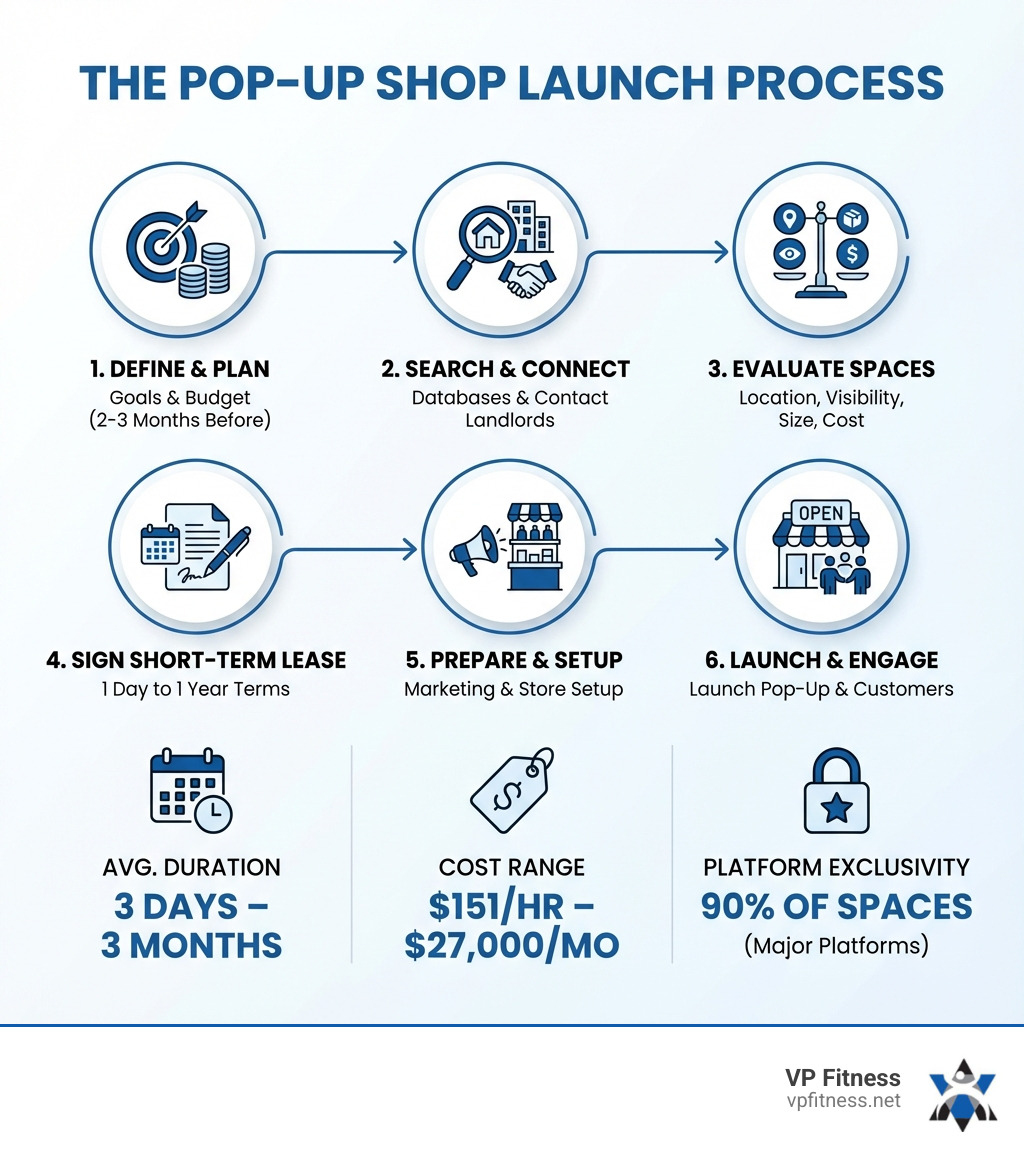
Pop up shop space is changing how businesses connect with customers. These temporary retail spots—lasting from three days to three months—let us test markets, launch products, and build brand awareness without the commitment of a traditional lease.
Quick Answer: Finding Pop Up Shop Space
- Use Online Marketplaces – Platforms like Storefront, Peerspace, and Appear Here list thousands of available spaces
- Contact Landlords Directly – Reach out to owners of vacant storefronts for negotiable short-term deals
- Work with Commercial Real Estate Agents – They often know about spaces before they’re publicly listed
- Consider Pop-In Arrangements – Set up inside existing stores to leverage their foot traffic
- Typical Costs – Expect $151/hour on average, or $1,200-$27,000/month depending on location and size
Pop-ups fill vacant real estate and create an urgency that drives sales. Costs are significantly lower than long-term stores, giving us the freedom to test a concept without betting our entire business on it.
Major cities like New York, Los Angeles, Chicago, and Miami offer the most options, but smaller markets are catching on. The key is finding a space that balances high foot traffic, visibility, and affordable rent.
I’m Joseph DePena, a commercial space consultant based in Providence, Rhode Island. Since 2011, I’ve helped businesses with commercial space decisions. The strategies in this guide will help you find the perfect temporary retail location for your business goals.
The Pros and Cons of Popping Up
Pop-up shops (or flash retail) are short-term storefronts in vacant commercial spaces, lasting from a single day to several months. Their temporary nature offers a unique blend of flexibility, excitement, and cost-effectiveness that traditional retail can’t match. The novelty of a pop-up generates buzz and drives foot traffic, creating an opportunity to build an immersive brand experience. However, like any venture, pop-ups have both advantages and challenges that are crucial to understand for success.
Key Benefits for Your Business
The advantages of securing a pop up shop space extend far beyond hype, offering a strategic pathway to growth:
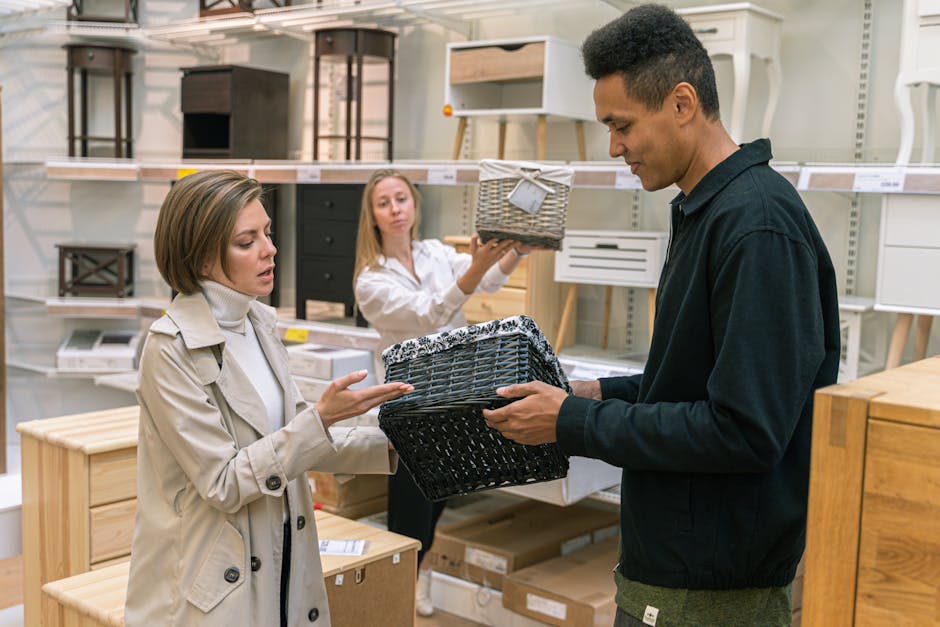
- Low-Cost Market Entry & Testing: Launch a new product or test a market without the hefty investment of a long-term lease. Pop-ups allow us to gauge customer interest and gather feedback with minimal financial risk, making them perfect for a soft launch.
- Increased Brand Awareness & Engagement: A temporary physical presence significantly boosts our brand’s visibility. It allows customers to interact directly with our products and team, fostering a deeper connection than online interactions alone.
- Creating Urgency & Driving Sales: The limited-time nature of a pop-up creates urgency. Customers know they must visit now or miss out, which can lead to higher conversion rates and immediate sales.
- Moving Excess Inventory: A pop-up is an excellent way to clear surplus stock, turning a liability into revenue. We can frame it as an exclusive “warehouse sale” to make it more appealing.
- Direct Customer Feedback: Face-to-face interaction is invaluable. A pop-up allows us to speak directly with customers, observe their reactions, and understand their needs in real-time. This feedback is crucial for product and marketing strategies.
Potential Challenges to Prepare For
While the benefits are compelling, it’s important to be realistic about potential challenges when planning for a pop up shop space:
- Short-Term Staffing: Finding and training quality staff for a temporary job can be tricky. We need to ensure our team is well-versed in our brand and customer service standards to ensure consistency.
- Limited Inventory Space: Many pop-up spaces are small, meaning limited back-up stock. This can lead to running out of popular items, so careful inventory management is key.
- Marketing Time Crunch: To maximize PR and marketing, we need 2 to 3 months of prep time. This allows us to build anticipation and secure media coverage to reach our target audience effectively.
- Maintaining Brand Consistency: Even in a temporary setting, our brand identity must be clear. The space’s design, staff presentation, and customer experience must align with our brand values.
- Logistical Planning: Setting up and tearing down a shop involves many moving parts. Fixtures, payment systems, and internet all need meticulous planning for a smooth operation.
- Potential for Low Foot Traffic: There’s always a risk that a pop up shop space won’t attract expected foot traffic, especially if it’s remote or lacks visibility. A discount for a tucked-away space often can’t compensate for missed business.
How to Find the Perfect Pop up shop space
Finding the ideal pop up shop space is a critical step. It requires balancing our business needs with available spaces to find a location that fits our budget, improves our brand, and reaches our target audience. While the search can feel daunting, a clear strategy helps pinpoint a space for success. We must be clear about our priorities before we begin.
Key Factors for Choosing Your Pop up shop space
When we’re hunting for a pop up shop space, several factors guide our decision to ensure the location supports our goals:
- Location and Foot Traffic: This is often the most crucial factor. Where does our target audience spend time? A high-foot-traffic area in a busy shopping district or vibrant Providence neighborhood will attract more customers. A remote pop up shop space is rarely worth it unless we have a devoted customer base.
- Visibility and Frontage: The specific visibility of the space matters. Can passersby easily see our shop? Large windows for displays act as a silent salesperson, drawing shoppers in.
- Size and Layout: The space’s dimensions must align with our needs. Do we need an open area for displays or a smaller setting? Ensure there’s enough room for customers, staff, and storage. For example, fitness apparel requires space for racks and changing rooms.
- Design and Aesthetic: Does the space’s design complement our brand, or will it require costly modifications? A “blank canvas” offers flexibility, while a well-designed space can reduce setup time and costs.
- Duration Flexibility: How long do we need the space? Pop-ups can run for a weekend or a few months. We need to find a space with lease terms that match our planned duration, balancing urgency with rental costs.
- Price and Overall Budget: The cost of the pop up shop space must fit our budget. This includes rent plus associated costs like staffing, insurance, build-out, and marketing.
Considering these factors helps us find a pop up shop space that feels like a natural extension of our brand, whether we’re looking for a space for a fitness event or a retail storefront for a product launch.
Effective Strategies for Your Search
Finding a pop up shop space has become easier thanks to a growing ecosystem of resources. Here are the most effective strategies:
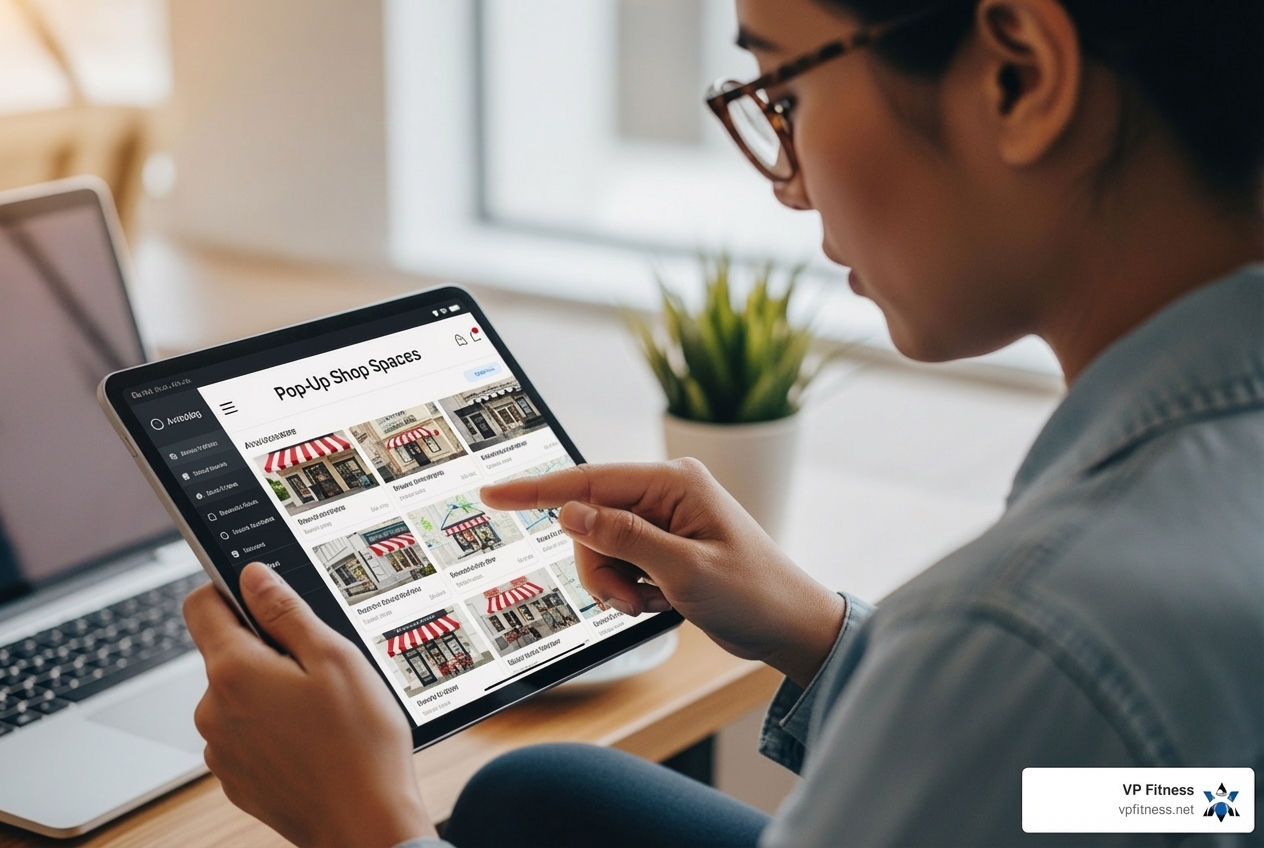
- Online Databases and Marketplaces: Platforms like Storefront, Pop Up Shops, Peerspace, and Appear Here connect businesses with short-term retail spaces. We can filter by location, size, and duration. They offer thousands of storefronts, making the initial search straightforward, with options in cities like Providence.
- Direct Outreach to Landlords and Property Managers: Don’t underestimate direct contact. Many landlords prefer a short-term tenant over an empty space. We can identify vacant properties in our desired Providence neighborhoods and reach out to the owners, who may be open to negotiating a short-term lease.
- Commercial Real Estate Agents: These professionals have insider knowledge of available spaces, including unlisted ones. A local commercial real estate agent in Providence can be an invaluable partner in finding locations and negotiating terms for our pop up shop space.
- “Pop-In” Arrangements with Existing Businesses: This strategy leverages existing foot traffic. We can approach local Providence businesses—like a coffee shop or boutique—and propose setting up a pop-up within their store. This is effective if our products complement theirs.
- Local Community Boards and Business Associations: Local Providence community organizations and business improvement districts often have information on available spaces or landlords seeking temporary tenants. They are a great source for leads.
Starting our search well in advance (2-3 months) gives us access to more options. A multi-pronged approach combining online searches with direct outreach increases our chances of success. These methods are also applicable for specific needs like a gym space rental for a fitness product launch.
Nailing the Logistics: Budget, Duration, and Leasing
Once we’ve identified potential pop up shop space options, it’s time for logistics: cost, duration, and leasing. These details are crucial for a financially viable and legally sound pop-up. Planning our budget and timeline early helps avoid surprises and ensures a smooth execution.
Budgeting for Your Pop up shop space
A comprehensive budget is our roadmap. The costs of a pop up shop space are less than a long-term store but still require careful planning. Here’s what to factor in:
- Rental Costs: This is often the largest expense. Pop up spaces average around $151 per hour, but costs vary by location, size, and duration. Smaller spaces might be near $187/hour, with larger ones at $185/hour. Monthly rates can range from $1,200 to significantly more. We need to get clear quotes for our desired duration.
- Staffing Wages: We’ll need people to run the shop, so this includes wages for sales associates or managers.
- General Liability Insurance: This is non-negotiable. We must purchase General Liability insurance to protect our business from claims. Many landlords require proof of insurance before we can sign an agreement for our pop up shop space.
- Store Build-Out and Fixtures: We’ll need to budget for any temporary build-out, display fixtures, shelving, and signage to create our desired aesthetic. Professionally printed signage is often a requirement.
- Marketing and PR: Our budget should include funds for local advertising, social media campaigns, press releases, and launch events.
- Point-of-Sale (POS) System and Supplies: We’ll need a reliable POS system to process transactions and manage inventory. This includes hardware, software, and supplies like bags and receipt rolls.
- Utilities and Miscellaneous: Don’t forget costs like electricity and internet if not included in the rent. A contingency fund is always wise.
Remember to consider all the nuts and bolts of a pop-up shop budget when deciding how much we can pay for the space.
Determining the Right Duration
The flexibility in duration is a key appeal of a pop up shop space. Pop-ups can last from three days to three months. The ideal length depends on our goals:
- Weekend Flash Sale: For intense urgency and moving a specific product, a short weekend pop-up is highly effective.
- Week-Long Event: A longer duration allows for more sustained engagement and reaching a wider audience.
- Month-Long Market Test: For testing a new concept or market in Providence, a month-long pop-up provides enough time to gather substantial data.
- Seasonal Store: If our products are seasonal, aligning our pop-up with that season for a few weeks or months makes sense.
The key is balancing urgency with rent and staffing costs. A shorter duration creates hype but limits reach; a longer one is more expensive but offers deeper market penetration. Lease terms can range from one day to over a year, offering great flexibility.
Understanding Short-Term Leases
Short-term leasing agreements are the backbone of the pop-up model:
- Flexibility: Short-term leases allow us to adapt quickly to market changes, test locations, or run seasonal campaigns without a multi-year commitment.
- Minimal Financial Risk: With shorter terms, our financial exposure is reduced. If a pop-up underperforms, we can end the venture without the burden of long-term rent.
- No Long-Term Commitments: We avoid the lengthy negotiations and high security deposits of traditional leases. This streamlines the process and frees up capital.
- Competitive Rates: Landlords often offer competitive rates for short-term occupants to generate income from vacant spaces.
- License Agreements vs. Leases: For very short durations, we might use a “license agreement” instead of a lease. This simpler document outlines our right to use the space for a specific period and typically requires a signed agreement, Certificate of Insurance, and a security deposit.
This type of arrangement makes it feasible for businesses, including those in fitness, to explore temporary physical spaces like a fitness studio for rent.
You’ve Found Your Space: What’s Next?
Securing our ideal pop up shop space in Providence is a huge milestone, but the work isn’t over. The pre-launch period is crucial for a successful pop-up. Meticulous planning will change an empty space into a vibrant representation of our brand, letting us focus on connecting with customers.
Your Pre-Launch Action Plan
Our pre-launch checklist will guide us through the essential steps to prepare our pop up shop space for its debut:
- Sign the Agreement: Double-check all terms in the lease or license agreement, including rent, duration, and responsibilities. Get it signed by both parties and keep copies.
- Secure Permits and Licenses: Research and obtain all necessary local licenses and permits for temporary retail in Providence. This may include a business license, seller’s permit, or health permits.
- Plan the Store Layout and Design: Sketch our ideal layout, deciding on product placement and customer flow. Select fixtures, signage, and decor to create an inviting, branded environment. Professional signage is often required.
- Hire and Train Staff: Finalize our staffing plan. For short-term hires, clear communication on product knowledge and customer service is paramount. Our team should be enthusiastic brand ambassadors.
- Develop a Marketing and PR Strategy: With 2 to 3 months of prep time, we can maximize our marketing efforts. This includes:
- Crafting press releases and reaching out to local media in Providence.
- Announcing our pop-up on social media and running targeted ads.
- Collaborating with local influencers or complementary businesses.
- Creating a buzz that makes our pop-up a must-visit destination.
- Order Inventory and Supplies: Ensure we have enough stock for the pop-up’s duration, accounting for best-sellers. Order all operational supplies like bags and packaging.
- Set Up Technology: Install our POS system, secure internet, and set up any other tech needs. Test everything thoroughly before opening day.
By following these steps, we’ll transform our pop up shop space from an empty shell into a thriving retail destination, ready to captivate customers in Providence.
Frequently Asked Questions about Pop-Up Shops
We understand that venturing into pop-up shops can bring up a lot of questions. Here are some of the most common inquiries to provide quick, expert insights.
What exactly is a pop-up shop?
A pop-up shop (or flash retail) is a short-term storefront in vacant commercial real estate, from a full store to a small corner space. They typically last from three days to three months and are designed to be temporary, creating a unique shopping experience without the commitment of a traditional lease. For more, explore what makes Pop-up shops so unique.
How long does it take to plan a pop-up shop?
We recommend 2 to 3 months of prep time to launch a pop-up shop properly. This timeframe is crucial for securing the perfect pop up shop space, finalizing inventory, and training staff. Most importantly, it allows us to maximize marketing opportunities, including press releases and building excitement with our target audience.
What are the most important factors for a successful pop-up?
The most important factors for a successful pop-up are:
- Location: A high-foot-traffic, visible location that aligns with our target demographic is paramount.
- Unique Experience: Pop-ups thrive on novelty. Offering something memorable—like an interactive display or exclusive products—will draw people in.
- Strong Marketing: Effective pre-launch and ongoing marketing are essential to drive awareness and foot traffic.
- Excellent Customer Service: Every interaction reflects on our brand. Our staff should be knowledgeable, friendly, and provide an enjoyable shopping experience.
- Clear Goals: We need to define what success looks like before we start. Clear goals will guide all our decisions and help us measure our return on investment.
Conclusion
Pop up shop space offers a flexible, low-cost way for businesses to innovate and connect with customers. By carefully planning our location, budget, and duration, we can test new products, build brand awareness, and drive sales without a long-term commitment. While challenges exist, the benefits of this modern retail strategy are clear.
We support local Providence, Rhode Island, businesses as they explore creative ways to grow. If you’re ready to test your business idea or launch a new product in a dynamic way, the perfect pop up shop space awaits.