

Smoothie Success: Power-Packed Recipes for Your Post-Workout Boost

Post Workout Smoothie: 5 Power-Packed Boosts
Why Post-Workout Nutrition Is the Missing Link in Your Fitness Routine
A post workout smoothie is one of the fastest and most effective ways to refuel your body after exercise. Here’s what makes them ideal for recovery:
Key Benefits of Post-Workout Smoothies:
- Quick Nutrient Absorption – Liquid form allows faster digestion and delivery to muscles
- Optimal Macronutrient Balance – Easy to achieve the recommended 3:1 carb-to-protein ratio
- Hydration Support – Replenishes fluids lost through sweat
- Convenient & Portable – Takes minutes to make and consume
- Customizable – Adjust ingredients to match your specific fitness goals
Essential Components:
- Protein (15-30g) – Repairs muscle micro-tears and supports lean muscle growth
- Carbohydrates – Replenishes depleted glycogen stores for energy
- Electrolytes – Restores minerals like sodium and potassium lost in sweat
- Healthy Fats – Reduces inflammation and supports joint health
After exercise, your body enters a critical recovery window. You’ve depleted energy stores (glycogen), created microscopic tears in muscle fibers, and lost essential minerals through sweat. Without proper post-workout nutrition, you’re leaving gains on the table. Research shows that consuming protein after exercise supports lean body mass, while the right balance of carbohydrates prevents fatigue in your next workout.
For busy professionals who can’t eat a full meal post-gym, smoothies are the perfect solution—they’re quick to make, easy to digest, and packed with everything your body craves after a tough workout.
As a master trainer and fitness entrepreneur with over a decade of experience helping clients optimize their training and nutrition, I’ve seen firsthand how the right post workout smoothie can transform recovery, boost energy, and accelerate progress toward fitness goals.
The Science of Recovery: Why Your Body Needs a Post-Workout Smoothie
Let’s talk about what’s happening inside your body after a workout. Your muscles are sending out an SOS for nutrients to recover and grow stronger.
Intense exercise depletes your body’s fuel (glycogen), creates microscopic tears in muscle fibers (which is how they grow), and causes you to lose key minerals (electrolytes) through sweat. Without proper post-workout nutrition, your body struggles to recover, leaving you tired and hindering your progress.
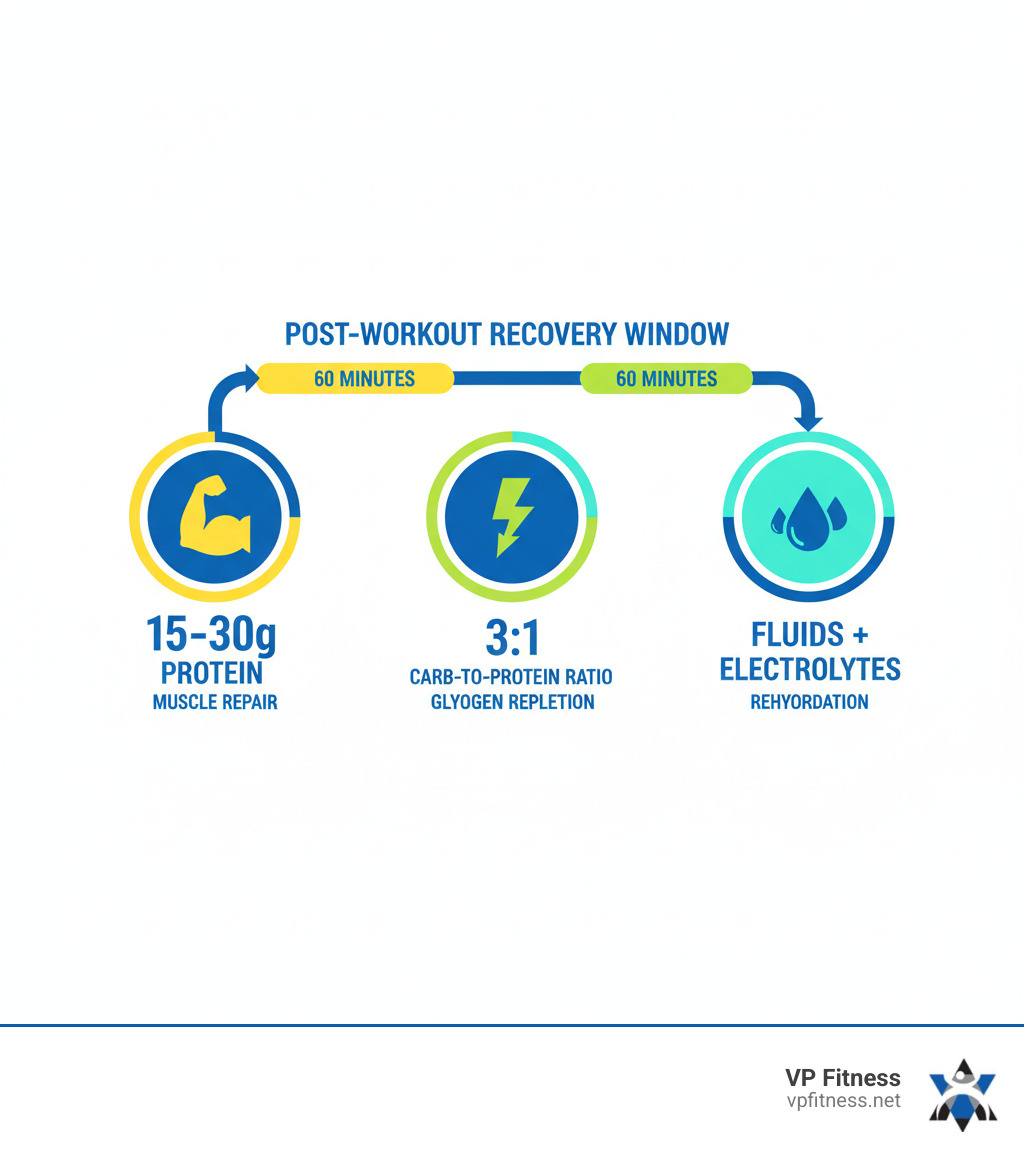
This is where nutrient timing becomes your secret weapon. Getting the right nutrients into your body within an hour after your workout can dramatically speed up recovery. Research shows that a 3:1 ratio of carbohydrates to protein is ideal, and a well-crafted post workout smoothie makes hitting this target incredibly easy.
The Role of Protein in Muscle Repair
Think of protein as your muscles’ construction crew. The amino acids from protein are the building blocks that repair the microscopic tears created during exercise. Without enough protein, your muscles can’t rebuild effectively, slowing your recovery and progress. That’s why consuming protein after exercise is crucial for building and maintaining lean muscle mass.
Aim for 15-30 grams of protein immediately after a workout. For serious muscle building, target at least 30 grams. Consuming around 1 gram of protein per pound of your target body weight throughout the day can also optimize muscle growth. Amino acids are the real food for your muscles, making protein a non-negotiable part of any effective nutrition for muscle strategy.
Carbohydrates for Energy Replenishment
While protein rebuilds, carbohydrates refuel. Your body runs on glycogen during workouts, and intense exercise drains these reserves. Eating carbs after exercise replenishes these stores, preventing that weak, drained feeling during your next session.
Fast-digesting carbs from whole foods work best. Bananas are perfect—they’re loaded with easily digestible carbs and potassium to help prevent muscle cramps. Berries bring antioxidants along with their natural sugars, fighting inflammation while restoring energy. Combining carbohydrates with protein jump-starts muscle protein synthesis, setting you up for better results.
Electrolytes and Healthy Fats for Full Recovery
Don’t overlook the supporting players in your post workout recovery plan: electrolytes and healthy fats.
When you sweat, you lose crucial minerals like sodium and potassium. Without replacing them, you risk cramping and fatigue. Coconut water is nature’s sports drink, packed with these electrolytes.
Healthy fats are recovery allies. They reduce inflammation and support joint health, both essential after physical stress. Avocado brings healthy fats and extra potassium. Chia seeds are loaded with omega-3 fatty acids, fiber, and protein, all working to reduce inflammation and support muscle recovery. Including these in your post workout smoothie gives your body everything it needs for a complete recovery.
5 Power-Packed Post-Workout Smoothie Recipes
Here are five post workout smoothie recipes designed to give your body what it needs after training. Each one balances protein, carbs, and healthy fats using whole food ingredients. With a good blender, you can create a recovery powerhouse in minutes. Pro tip: frozen fruits are your secret weapon for a thick, frosty texture without needing ice.

1. The Classic Muscle Builder: Banana & Peanut Butter
This classic combination is scientifically sound for muscle recovery. The banana provides fast-digesting carbs to replenish glycogen and potassium to prevent cramps. Peanut butter adds protein and healthy fats for muscle repair. Oats contribute fiber and complex carbs, keeping you feeling full longer.
Ingredients:
- 1 frozen banana
- 1 scoop (25-30g) protein powder (whey or plant-based)
- 1 tablespoon natural peanut butter
- 1/2 cup rolled oats
- 1 cup unsweetened almond milk (or dairy milk)
- 1/2 cup ice (optional, for extra thickness)
Instructions: Combine all ingredients in a blender and blend until smooth and creamy. Enjoy immediately.
2. The Anti-Inflammatory Agent: Berry & Cherry Blast
If you’re dealing with post-workout soreness, this smoothie is for you. Mixed berries provide antioxidants to combat inflammation, while tart cherry juice can significantly reduce post-exercise pain. Chia seeds add omega-3 fatty acids to further reduce inflammation, and a handful of spinach sneaks in iron and magnesium for energy production.
Ingredients:
- 1 cup mixed frozen berries
- 1/2 cup tart cherry juice (or frozen tart cherries)
- 1 scoop (25-30g) protein powder
- 1 tablespoon chia seeds
- 1/2 cup fresh spinach
- 1/2 cup water or unsweetened almond milk
Instructions: Add all ingredients to your blender and blend on high until completely smooth.
3. The Hydration Hero: Tropical Green Refresher
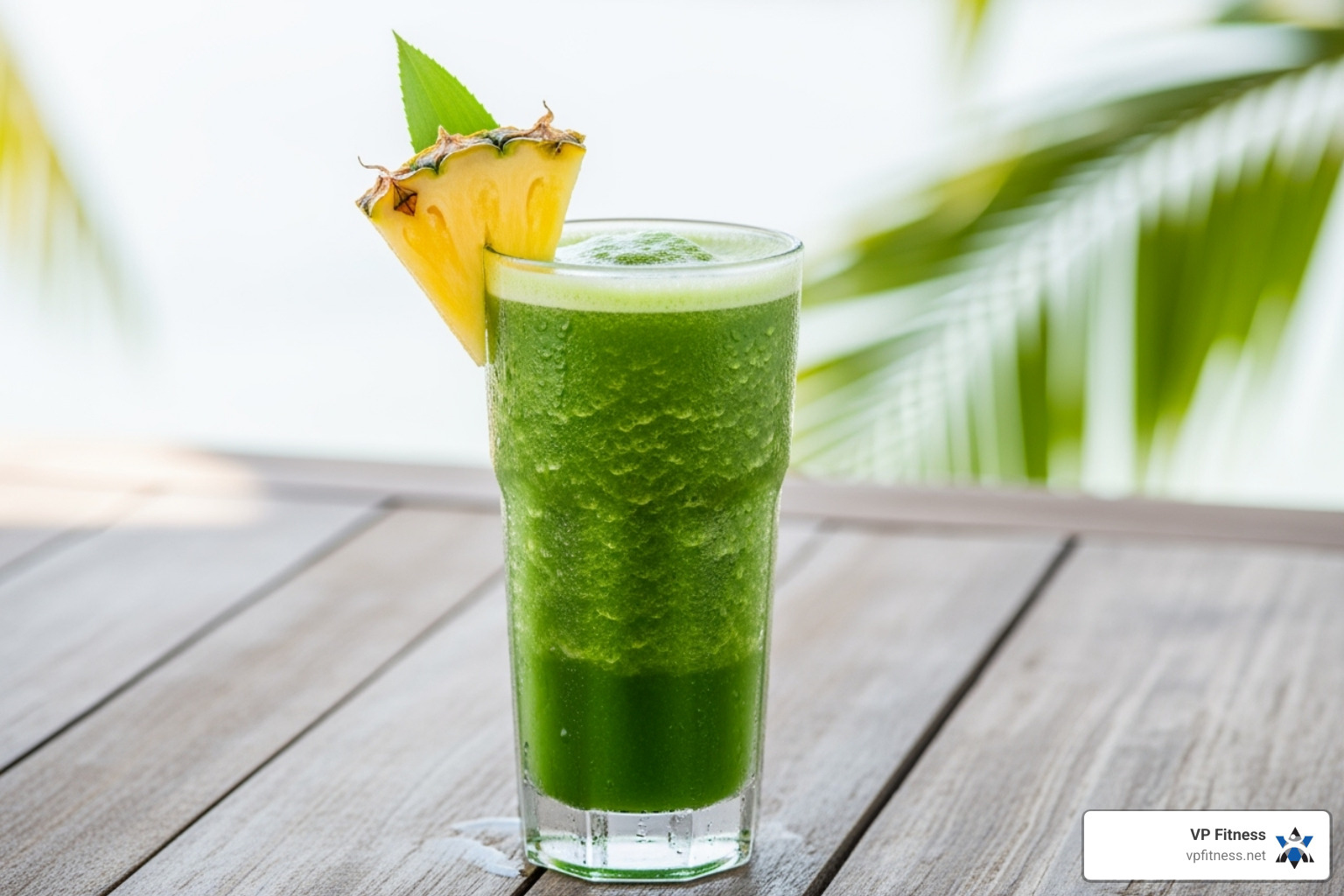
After a sweaty session, this smoothie rehydrates and replenishes electrolytes. Coconut water serves as the base, naturally loaded with sodium, potassium, and other key minerals. Mango and pineapple add vitamins A and C to support your immune system, while avocado provides a creamy texture, healthy fats, and extra potassium. Spinach boosts the vitamins and minerals without overpowering the tropical flavors.
Ingredients:
- 1 cup unsweetened coconut water
- 1/2 cup frozen mango chunks
- 1/2 cup frozen pineapple chunks
- 1/10 avocado
- 1/2 cup fresh spinach
- 1 scoop (25-30g) protein powder
Instructions: Place all ingredients into your blender and blend until you achieve a smooth, uniform consistency.
4. The Sustained Energy Supplier: Chocolate & Oat Powerhouse
This smoothie tastes like a treat but works like a recovery drink. Cacao powder provides a rich chocolate flavor and antioxidants without added sugar. The rolled oats are complex carbs that digest slowly, providing a steady release of energy and keeping you full for hours. Almond butter adds creaminess and healthy fats, while the banana contributes easily digestible carbs and potassium.
Ingredients:
- 1 frozen banana
- 1 scoop (25-30g) chocolate protein powder
- 2 tablespoons cacao powder (unsweetened)
- 1/2 cup rolled oats
- 1 tablespoon almond butter
- 1 cup unsweetened almond milk
- 1/2 cup ice (optional)
Instructions: Combine all ingredients in a powerful blender and blend until completely smooth.
5. The Lean Machine: Green Veggie & Protein
For maximizing vegetable intake while supporting lean muscle, this is your go-to. It’s a liquid salad with protein that tastes great. Kale and spinach deliver iron, magnesium, and calcium. Cucumber adds a refreshing element and helps reduce bloating, while green apple provides natural sweetness and fiber. Choose plant-based protein powder or Greek yogurt to get the muscle-building amino acids your body needs.
Ingredients:
- 1 cup fresh kale
- 1 cup fresh spinach
- 1/2 medium cucumber, peeled
- 1/2 green apple, cored
- 1 scoop (25-30g) plant-based protein powder or 1/2 cup plain Greek yogurt
- 1 cup water or unsweetened coconut water
- Juice of 1/2 lemon (optional, for brightness)
Instructions: Add all ingredients to your blender and blend until completely smooth. The optional lemon juice brightens the flavors.
Customize Your Creation & Avoid Common Mistakes
Here’s what I love most about a post workout smoothie: it’s never one-size-fits-all. The beauty lies in making it your own. Whether you’re chasing muscle gains, managing your weight, or simply trying to feel your best, your smoothie can (and should!) evolve with you. That said, even with the best intentions, it’s surprisingly easy to sabotage your recovery shake. Let’s talk about how to personalize your blend effectively while steering clear of the most common missteps.
How to Tailor Your Post-Workout Smoothie
Think of your smoothie as a blank canvas—one that you can paint with ingredients that match exactly what your body needs right now.
If you’re focused on muscle gain, your smoothie needs to be working overtime. Consider bumping up your protein by adding an extra scoop of powder, a generous dollop of Greek yogurt, or even some silken tofu (trust me, you won’t taste it!). Don’t shy away from healthy fats either—an extra tablespoon of almond butter or a bit more avocado can provide the calorie-dense fuel your body craves for building lean muscle mass. These additions support your overall muscle gain diet and help you stay in an anabolic state.
For those managing their weight, the game changes slightly. While fruits are undeniably nutritious, they do contain natural sugars that add up quickly. Opt for lower-sugar options like berries rather than tropical fruits, and consider using half the fruit you might otherwise include. Boosting fiber content with ingredients like oats, flaxseeds, or chia seeds is your secret weapon here—fiber keeps you feeling satisfied longer, which means you’re less likely to reach for snacks an hour later.
Adapting for dietary needs is wonderfully simple with smoothies. If you’re following a vegan lifestyle, swap in plant-based protein powders and use almond, soy, or oat milk instead of dairy. Dealing with allergies? Sunflower seed butter makes an excellent substitute for peanut butter, and there are countless dairy-free milk alternatives to choose from.
Don’t forget about flavor variations! Sometimes we get so focused on the “functional” aspect that we forget these should taste amazing. A pinch of cinnamon or nutmeg can transform your smoothie completely. A splash of vanilla extract adds depth. And if you really want to level up? Try adding matcha green tea powder—it delivers more antioxidant power than regular green tea and gives you a gentle energy boost.
Here’s the truth: everyone’s body responds differently. What works brilliantly for your gym buddy might not hit the mark for you. Your ideal post workout smoothie might even change as your goals evolve. If you’re feeling overwhelmed or want expert guidance on optimizing your nutrition strategy, consider consulting a nutrition professional. They can help with meal planning and finding delicious foods that satisfy you while getting the health and body fat loss results you’re after.
Smoothie Pitfalls to Avoid
Now let’s talk about where things can go sideways. Even the most well-intentioned smoothie can become a recovery roadblock if you’re not careful.
The biggest culprit? Excessive sugar. I’ve seen people proudly sip on their “healthy” smoothie that’s essentially a milkshake in disguise. Store-bought versions are notorious for this, but homemade ones can fall into the same trap when we get heavy-handed with fruit juice or add sweeteners. Your best defense is sticking with whole fruits and vegetables as your base. They come with natural fiber that helps regulate how your body processes those sugars.
Speaking of which, choosing fruit juice over whole fruit is a surprisingly common mistake. Yes, juice is convenient, but it’s been stripped of the beneficial fiber that makes whole fruit so valuable. As nutrition expert Frances Largeman-Roth, R.D.N., author of Smoothies & Juices: Prevention Healing Kitchen, points out: “Most Americans aren’t getting enough produce or fiber in their diet, so smoothies can be a fun and delicious way to make up for that.” But that only works if you’re using the whole fruit. Blend in that apple—don’t just pour in the juice!
Another frequent oversight is skipping adequate protein. Without hitting that 15-30g target, your muscles simply aren’t getting the amino acids they desperately need for repair. You’ve done the hard work in the gym; don’t shortchange yourself when it comes to recovery.
Here’s one that surprises people: forgetting healthy fats. These aren’t optional extras—they’re genuine recovery allies. Fats from sources like avocado, nuts, and seeds reduce inflammation, support joint health, and help your body absorb fat-soluble vitamins. Without them, you’re leaving recovery benefits on the table.
Finally, if you’re using supplements, quality matters tremendously. Low-quality protein powders or supplements can contain fillers, contaminants, or inaccurate labeling. Since there’s no blanket regulation or testing of nutritional supplements, look for products displaying NSF or USP certifications on their packaging. These third-party verifications mean you’re getting what the label promises. For more detailed guidance on choosing quality supplements, research reputable guides on the best supplements for muscle.
The bottom line? A little awareness goes a long way. With smart ingredient choices and attention to these common pitfalls, your post workout smoothie becomes exactly what it should be: a delicious, effective tool for better recovery.
Frequently Asked Questions about Post-Workout Nutrition
We get a lot of questions about post-workout nutrition, which is great—it means you’re serious about your results. Getting your nutrition right after a workout can be a game-changer. Let’s tackle some common questions.
When is the best time to drink a post-workout smoothie?
The ideal time is within 30 to 60 minutes after you finish exercising. This “anabolic window” is when your muscles are primed to soak up nutrients for repair and growth. Because smoothies are liquid, your body can digest and absorb them much faster than solid food. This means vital proteins and carbs get to your muscles quickly, right when they need them most. If you struggle to eat solid food after an intense session, a smoothie is the perfect solution.
Can I drink a smoothie instead of eating a meal?
Yes, a well-crafted post workout smoothie can serve as a complete meal, provided it’s balanced. The key is to include all three macronutrients: carbohydrates for energy, protein for muscle repair, and healthy fats for satiety. A meal replacement smoothie should contain 25-30g of protein, complex carbs like oats, healthy fats from nut butter or avocado, and fiber from whole fruits and vegetables. As nutrition expert Frances Largeman-Roth, R.D.N., points out, smoothies are a great way to fill nutritional gaps in produce and fiber.
Do I really need protein powder in my smoothie?
Not necessarily, but it’s convenient for hitting your protein goals. You can easily build a protein-rich post workout smoothie with whole foods. Greek yogurt is a superstar, packed with protein and calcium. Cottage cheese offers slow-digesting casein protein. For a plant-based option, silken tofu blends seamlessly and adds a creamy texture. Just be aware that most plant-based milks are low in protein unless fortified. Whether you use powder or whole foods depends on your preference and lifestyle. For a deeper dive, this article asks, “Do you really need protein powder?“
Conclusion: Blend Your Way to Better Recovery
You now have the science, recipes, and tips to master your post-workout recovery. A thoughtfully crafted post workout smoothie is a powerful, practical strategy for supporting muscle repair, replenishing energy, and staying consistent with your training.
What you do after your workout matters just as much as the workout itself. Without smart nutrition, you’re only getting half the results. Smoothies are a game-changer: they’re quick, convenient, and deliver exactly what your body needs.
Proper recovery nutrition transforms progress. Whether you’re building lean muscle mass, following a muscle gain diet, or simply want to feel stronger, a focus on post-workout meals is essential for your unique needs.
Recovery doesn’t have to be complicated. Grab your blender, experiment with these recipes, and find what makes your body feel its best. Your muscles will thank you, and you’ll be set up for success in every session.