

Prenatal Pilates and More: A Guide to Local Antenatal Classes

Prenatal Pilates and More: A Guide to Local Antenatal Classes
Why Finding Antenatal Fitness Classes Near Me Matters More Than You Think
Finding antenatal fitness classes near me is one of the smartest moves you can make during pregnancy. Here are the most common options available and how to find them:
How to find antenatal fitness classes near you:
- Search Google Maps or local directories for “prenatal fitness classes” in your city
- Ask your OB-GYN or midwife for referrals to certified local programs
- Check community centers, hospitals, and wellness studios for scheduled prenatal classes
- Look for national programs (like FIT4BABY or similar) with local franchise locations
- Browse local gym websites for prenatal yoga, Pilates, or strength class schedules
Common types of antenatal fitness classes:
- Prenatal yoga
- Prenatal Pilates
- Aqua/water fitness
- Strength and functional movement classes
- Pelvic floor and core-focused sessions
Pregnancy changes everything — your body, your energy, your daily routine. But staying active during pregnancy is not just safe for most women; it is genuinely beneficial for both mom and baby.
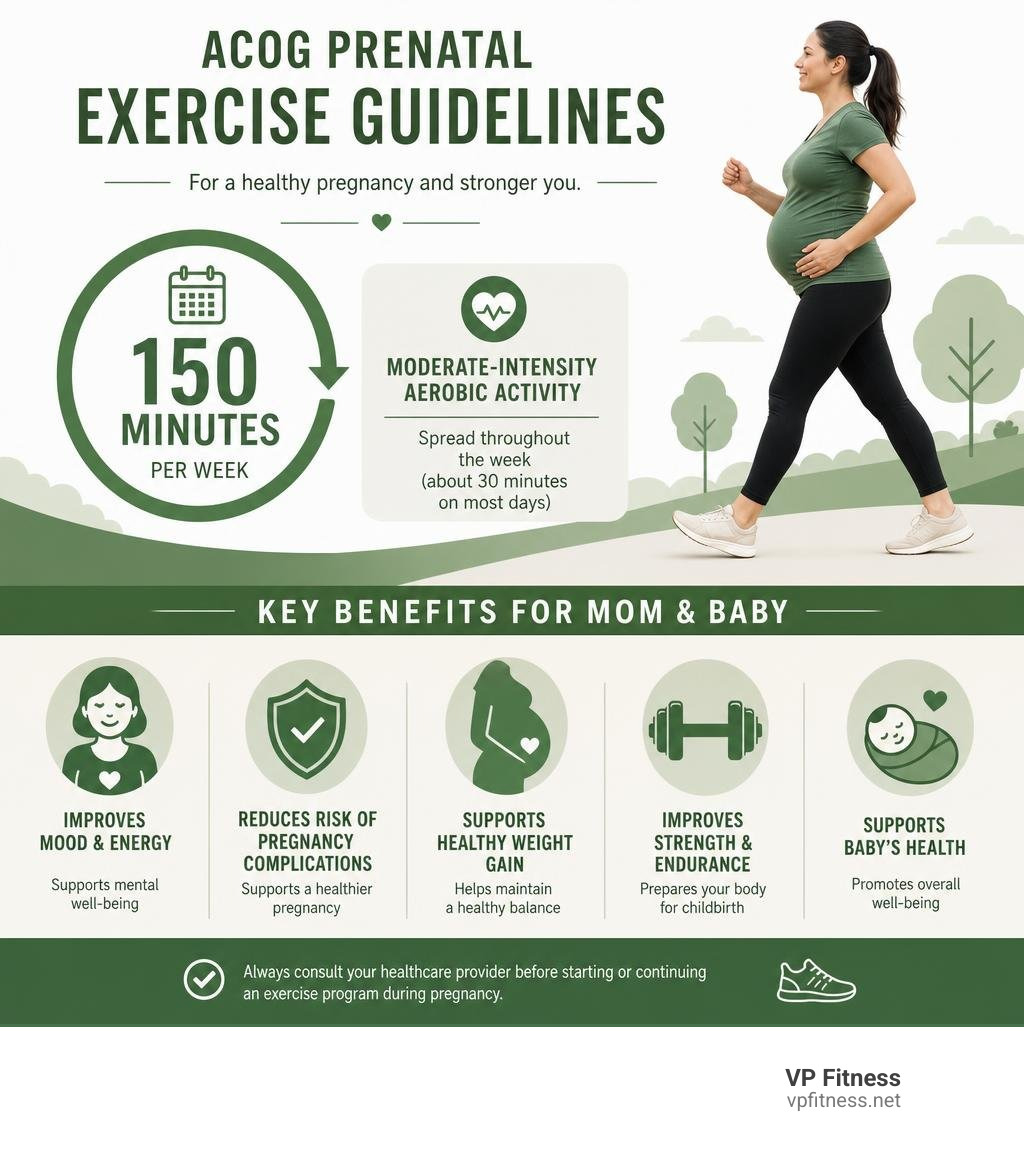
The American College of Obstetricians and Gynecologists (ACOG) recommends at least 150 minutes of moderate-intensity aerobic activity per week during uncomplicated pregnancies. Yet many expectant mothers are unsure where to start, what is safe, or how to find a class that fits their trimester and fitness level.
That uncertainty is completely normal. And it is exactly what this guide is here to solve.
I’m Joseph DePena, a certified fitness professional with over a decade of experience helping clients build sustainable fitness habits — including guiding expectant and postpartum women toward safe, effective movement programs that support their health goals. My work has given me a front-row seat to the real difference that structured, expert-led training makes, and that experience directly informs everything I share about antenatal fitness classes near me. Whether you are in your first trimester or nearing your due date, this guide will help you find the right class, ask the right questions, and move with confidence.
Easy antenatal fitness classes near me glossary:
The Benefits of Joining Antenatal Fitness Classes Near Me
Staying active during pregnancy does so much more than just keep you moving. When you search for antenatal fitness classes near me and commit to a structured routine, you are investing in a smoother pregnancy, a more manageable labor, and a faster postpartum recovery.
According to peer-reviewed clinical data, regular prenatal exercise is associated with a 30% to 50% reduction in the risk of gestational diabetes and preeclampsia. These two conditions can complicate pregnancy, but keeping your cardiovascular system strong and your blood sugar regulated through moderate-intensity workouts acts as a powerful preventative shield.
The physical benefits of prenatal workouts are vast, but the mental and emotional payoffs are just as significant. Research shows that women who participate in prenatal fitness programs report 40% lower rates of postpartum depression symptoms. The combination of physical movement, stress reduction, and community support creates a buffer against the intense hormonal shifts that occur after birth. In fact, over 80% of participants in community-based prenatal fitness classes report improved physical strength and overall emotional well-being.
By adhering to the ACOG guidelines of 150 minutes of moderate aerobic activity per week, you are actively preparing your body for the physical marathon of labor. Think of birth as the ultimate athletic event—you wouldn’t run a marathon without training, and you shouldn’t approach labor without building your stamina, core stability, and mental resilience. For more details on the science behind prenatal exercise, you can explore this Scientific research on prenatal exercise benefits.
Beyond the physiological perks, joining a class provides an invaluable social outlet. Pregnancy can feel isolating, but surrounding yourself with other expectant mothers who are navigating the exact same physical changes, sleepless nights, and nesting urges builds a unique bond. If you want to learn more about how working out with others boosts your accountability and mood, check out our guide on the More info about the benefits of group fitness classes.
Popular Types of Prenatal Workouts
Not all pregnancy workouts are created equal, and your body will crave different types of movement as your trimesters progress. The most successful prenatal fitness routines focus on low-impact exercises that protect your joints while targeting the pelvic floor, core stability, and cardiovascular health.
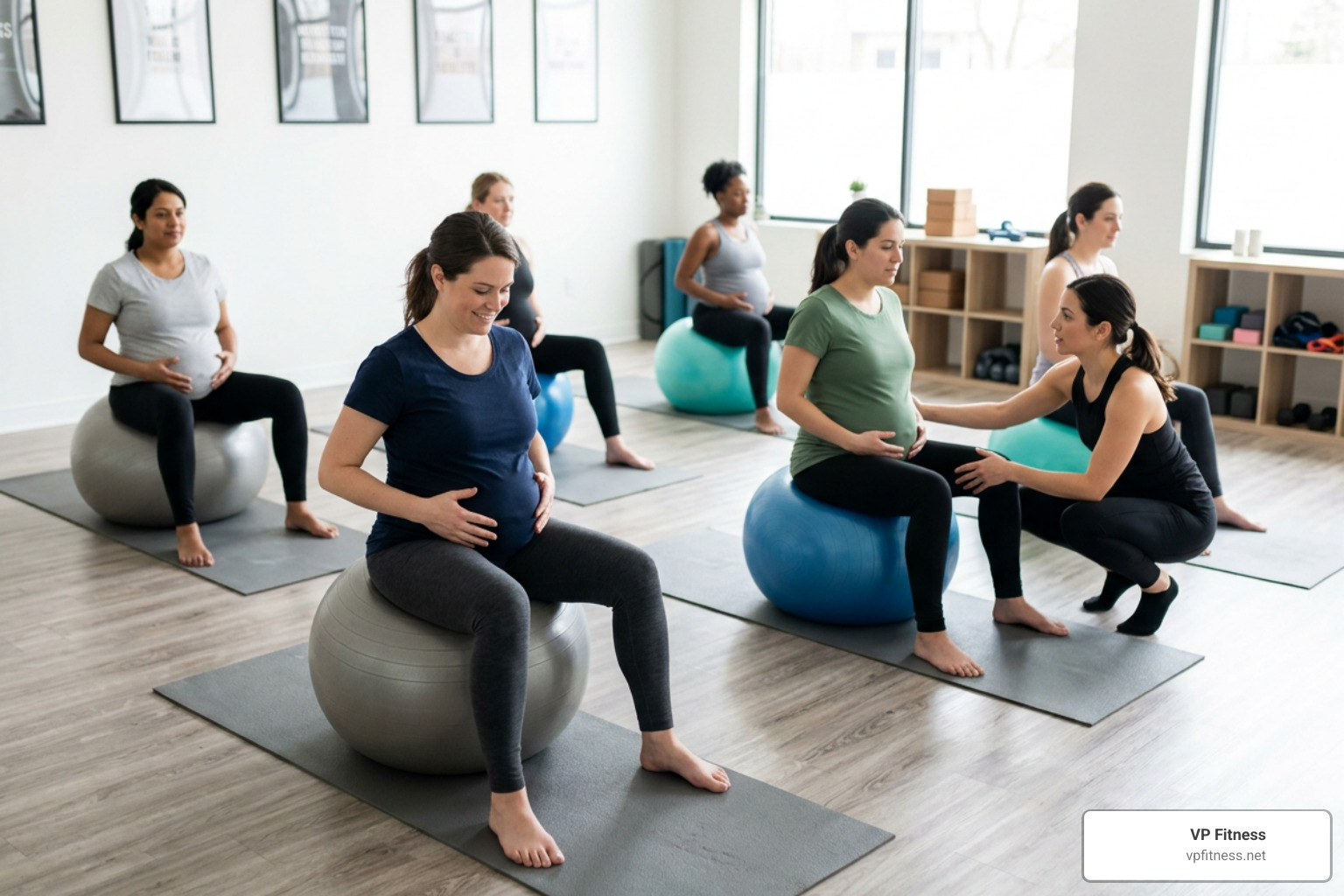
Water aerobics and pool-based workouts are incredibly popular because water provides natural buoyancy, taking the pressure off your aching lower back and swollen ankles. On land, routines that blend strength and stability help you carry your growing belly with better posture.
To help you find the right fit for your personal goals, we have outlined the most common modalities below. For a deeper dive into choosing a style that matches your athletic background, take a look at our article on More info about finding the best group classes for your goals.
| Workout Type | Primary Focus | Best For | Key Modification |
|---|---|---|---|
| Prenatal Yoga | Flexibility, mental clarity, breathing | Stress relief & labor prep | Avoid deep twists & lying flat on back |
| Prenatal Pilates | Core stability, pelvic floor, alignment | Posture & back pain relief | Avoid traditional crunches; use props |
| Strength Training | Functional muscle, stamina, bone density | Maintaining physical power | Reduce weight; focus on breathing |
| Cardio / Water Aerobics | Heart health, circulation, joint relief | Low-impact stamina | Monitor heart rate; stay hydrated |
Prenatal Yoga and Pilates
If you want to maintain your flexibility while building the specific muscles needed for delivery, prenatal yoga and Pilates are exceptional choices.
Prenatal yoga focuses heavily on breathing techniques (pranayama) and gentle stretching. Learning how to control your breath during a challenging yoga pose translates directly to staying calm and grounded during labor contractions. These classes also prioritize pelvic floor health, teaching you not just how to strengthen these vital muscles, but how to consciously relax them—which is crucial for the pushing phase of birth.
Prenatal Pilates, on the other hand, is the ultimate tool for core stability and muscle memory. It targets the deep abdominal muscles (specifically the transverse abdominis) and the glutes. As your center of gravity shifts forward, a strong core and stable hips prevent your pelvis from tilting too far forward, saving you from the dreaded pregnancy lower back pain. Many Pilates classes utilize light weights, resistance bands, and exercise balls to keep the workouts dynamic and engaging.
Strength Training and Cardio
For mothers who want to maintain their stamina and functional power, strength training and cardio are highly effective when done safely.
Strength training during pregnancy focuses on functional movement and posture correction. Think about the physical demands of motherhood: you will be lifting a heavy car seat, picking toys up off the floor, and carrying a growing baby on your hip. Exercises like bodyweight squats, chest presses, and row variations prepare your upper back and lower body for these daily tasks. Safe resistance training preserves your muscle mass and keeps your joints stable even as your ligaments begin to loosen.
Cardiovascular workouts—such as brisk walking, low-impact aerobics, or stationary cycling—boost your cardiovascular endurance and improve circulation. This increased blood flow helps deliver oxygen and nutrients to your baby more efficiently while reducing pregnancy-induced swelling (edema) in your legs and feet. The goal here isn’t to hit a new personal record; it is to maintain a steady, moderate pace where you can still comfortably hold a conversation.
How to Choose the Right Program for Your Journey
Selecting the perfect class involves balancing your current fitness level, your personal goals, and the structure of the program. You also want to consider practical factors like pricing packages, class schedules, and whether the facility offers free trials so you can test the waters before committing.
If you are new to working out, jumping into a high-intensity prenatal strength class might feel overwhelming. Conversely, if you are a seasoned lifter, a gentle stretching class might not give you the physical release you desire. Look for programs that offer clear progression paths and supportive environments. You can read more about how to navigate these options in our comprehensive guide to More info about group fitness classes.
Customizing Antenatal Fitness Classes Near Me by Trimester
Your body changes rapidly over nine months, meaning your exercise routine must adapt to each distinct phase of your pregnancy.
- First Trimester: During these early weeks, fatigue and morning sickness are often your biggest hurdles. Your workout goal should be consistency and listening to your body. Keep things low-key, focus on hydration, and don’t push through extreme exhaustion. If you are starting from scratch, check out our More info about exercise for beginners.
- Second Trimester: Often called the “golden trimester,” this is when your energy typically returns. However, your placenta is growing, and your body is producing high levels of relaxin—a hormone that softens your ligaments to prepare your pelvis for birth. Because relaxin makes your joints more loose and vulnerable to injury, you must avoid overstretching and sudden, jerky movements. You should also stop performing exercises flat on your back to prevent vena cava compression, which can restrict blood flow to you and your baby.
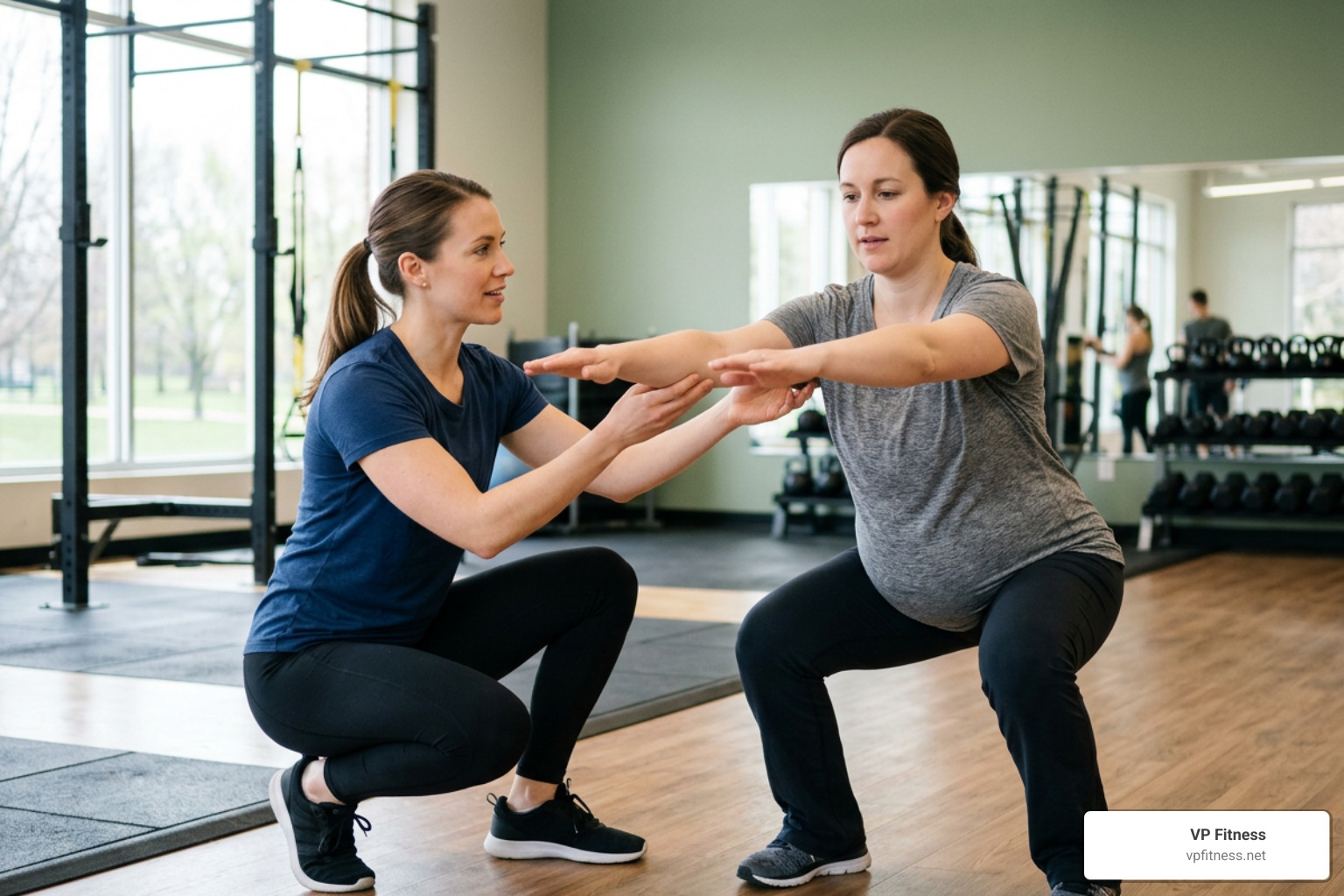
- Third Trimester: As your due date approaches, your belly is at its largest, and your diaphragm is compressed, making it harder to catch your breath. Workouts in this stage should focus on pelvic floor release, gentle mobility, posture correction, and preparation for labor. Modifications are key here—widening your stance during squats to make room for your belly and using walls or chairs for balance are highly recommended.
Finding Safe Antenatal Fitness Classes Near Me
Safety is paramount when exercising for two. When searching for antenatal fitness classes near me, always look for instructors who hold specialized prenatal and postnatal fitness certifications. Standard personal training or yoga certifications often cover very little about the complex anatomy and physiological changes of pregnancy. An expert instructor will know how to modify every single movement for diastasis recti (abdominal separation) prevention, pelvic girdle pain, and high blood pressure.
Always obtain medical clearance from your OB-GYN or midwife before beginning any new exercise regimen. Once cleared, look for local classes with flexible schedules that let you book online or drop in when you are feeling up to it. Checking local reviews can also give you a great sense of the community atmosphere and how attentive the instructors are to individual needs. For local tips on finding the best movement spaces, read our guide on More info about finding group workouts in Providence.
Frequently Asked Questions about Prenatal Exercise
Are prenatal fitness classes safe for all stages of pregnancy?
Yes, for the vast majority of uncomplicated pregnancies, prenatal fitness classes are incredibly safe and highly encouraged across all three trimesters. However, obtaining medical clearance from your healthcare provider is always the essential first step.
Once you have the green light, the key to safety lies in using appropriate modifications and choosing low-impact movements. Qualified instructors will guide you to avoid lying flat on your back after the first trimester, steer clear of heavy overhead lifts that strain the core, and avoid exercises that require extreme balance. By following established ACOG guidelines and listening to your body’s daily feedback, you can safely stay active right up until your delivery day.
What qualifications should a prenatal fitness instructor have?
A great prenatal instructor needs more than just enthusiasm; they need specialized fitness education. Look for professionals who hold a dedicated pre/postnatal fitness certification from a reputable national organization.
Their training should include deep anatomy knowledge of the pelvic floor and deep core system, an understanding of how hormones like relaxin affect joint stability, and the ability to identify warning signs that indicate a participant should stop exercising. Don’t hesitate to ask a potential instructor about their experience working with pregnant clients and how they handle modifications for common issues like pelvic girdle pain or diastasis recti.
Can I bring my baby or children to postnatal classes?
Many specialized postnatal classes are designed specifically to be baby-friendly, allowing you to transition back into fitness without the stress of finding childcare.
In these classes, babies are typically welcome to lie on a mat next to you, sit in their stroller, or even be incorporated into some of the gentle strength movements. Some community programs also offer stroller-based outdoor workouts where your baby stays securely buckled in while you move.
That your postpartum recovery timeline is unique. Most experts recommend waiting at least six weeks after a vaginal birth (and eight weeks after a C-section) before starting structured exercise, and you should always get formal clearance from your doctor or midwife first.
Conclusion
Navigating pregnancy is a beautiful, demanding, and transformative journey. Staying active through structured movement is one of the best ways to care for your body and mind during this transition. While general antenatal fitness classes near me offer fantastic community support, we believe that every mother’s body, pregnancy, and fitness goals are completely unique.
We specialize in providing a professional, exceptionally clean environment where you can access individualized training tailored to your exact stage of pregnancy and postpartum recovery. Our expert trainers understand the science of prenatal movement, helping you build the strength, stamina, and core stability you need for birth while keeping you and your baby safe. We combine personalized fitness plans with premium amenities to ensure your wellness journey is as comfortable as it is effective.
Whether you are looking to ease pregnancy discomforts, prepare for labor, or safely rebuild your core after birth, we are here to support you every step of the way. Explore our resources on More info about ladies exercise classes near me or take the first step toward a stronger, more vibrant pregnancy and Start your fitness journey at VP Fitness today.