

The Best Physical Therapy Rhode Island Has to Offer

The Best Physical Therapy Rhode Island Has to Offer
Why Finding the Right Physical Therapy in Rhode Island Matters
Physical therapy Rhode Island residents have access to spans a wide range of providers, specialties, and locations — but not all are equal. Here’s a quick overview to help you evaluate your options:
| What You Need | What to Look For |
|---|---|
| General injury recovery | Licensed PT with orthopedic experience |
| Sports rehab | Clinic offering running analysis or BFR training |
| Neurological conditions | PT experienced in stroke or Parkinson’s care |
| Post-surgery recovery | Clinic with aquatic therapy or manual therapy |
| Convenience | Saturday hours, walk-in options, or 48-hour evaluation windows |
| Verification | Check license at healthri.mylicense.com |
Rhode Island has no shortage of physical therapy options — from large university health systems with multiple locations across the state to specialized boutique clinics. The challenge isn’t finding a provider. It’s finding the right one for your specific needs, schedule, and goals.
Take the story of one Rhode Island athlete who tore his ACL on stage, finished the performance anyway, and then spent months in PT before and after surgery — only to come out moving better than before. That kind of outcome is possible, but it depends heavily on the quality and fit of your care team.
I’m Joseph DePena, a Providence-based fitness professional with over a decade of experience helping clients understand how physical therapy Rhode Island providers can complement structured strength and wellness training. My experience working alongside clients in recovery has given me a front-row view of what separates good PT outcomes from great ones.
Benefits and Conditions Treated by Physical Therapy Rhode Island Providers
When we think about physical therapy, we often picture someone learning to walk again after a major accident. While that is a vital part of the profession, physical therapy Rhode Island clinics handle a much broader spectrum of health issues. Essentially, if it moves (or is supposed to move), a physical therapist can help fix it.
Mobility and Movement Improvement
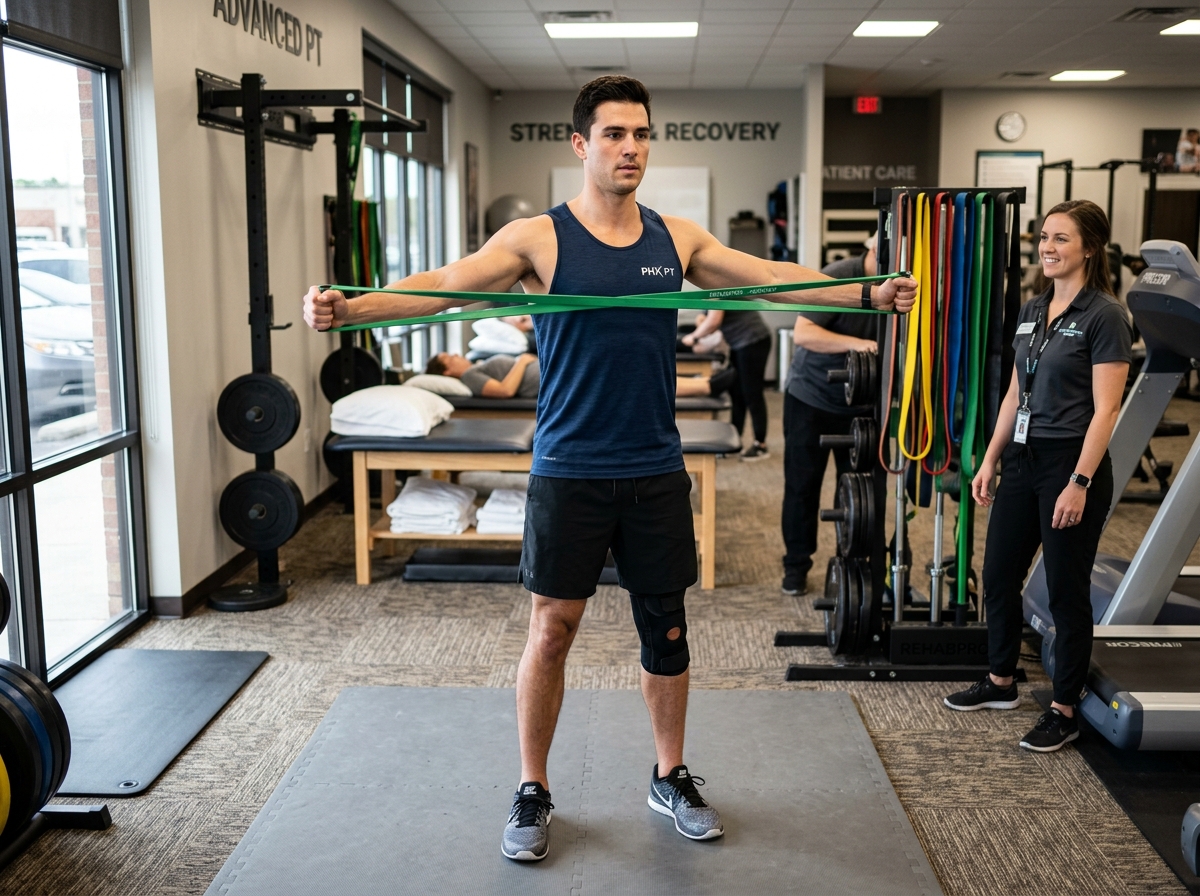
One of the primary goals of PT is to restore functional mobility. Whether you are struggling to reach the top shelf or trying to get back to a 5K run, movement is medicine. We often see that exercise physical therapy is the most effective way to regain independence. By utilizing targeted movements, therapists help patients reduce edema (swelling), restore function, and prevent long-term disability.
Chronic Pain Management
For those living with persistent discomfort, PT offers a non-invasive alternative to surgery or long-term medication. We know that back pain physical therapy is one of the most requested services in Providence. Therapists use a combination of manual therapy, heat/cold modalities, and electrical stimulation to quiet the nervous system and strengthen the supporting muscles.
Joint Replacement and Orthopedic Recovery
If you’ve recently had a hip or knee replacement, your surgeon likely told you that the surgery is only 50% of the battle—the rest is rehab. In Rhode Island, specialized joint health programs focus on gaining range of motion and strength quickly to ensure the prosthetic functions correctly. For more tips on maintaining your frame, check out the ultimate guide to fixing aching joints.
Specialized Conditions: Lymphedema and Neurological Care
Beyond bones and muscles, physical therapy Rhode Island experts treat complex conditions like lymphedema, often occurring after cancer surgery or radiation. They also play a critical role in neurological recovery. For patients dealing with a stroke, Parkinson’s disease, Multiple Sclerosis, or Traumatic Brain Injury, PT focuses on gait training and balance to maximize independence.
| Injury/Condition | Typical PT Intervention | Goal |
|---|---|---|
| ACL Tear | Strength training, BFR, balance work | Return to sport |
| Stroke | Gait training, neurological re-education | Independence/Safety |
| Chronic Back Pain | Core stabilization, manual therapy | Pain reduction |
| Lymphedema | Manual drainage, compression therapy | Swelling management |
| Joint Replacement | Range of motion exercises, strengthening | Functional mobility |
How to Find, Verify, and Prepare for Your Appointment
Navigating the healthcare system can feel like trying to fold a fitted sheet—confusing and occasionally frustrating. However, Rhode Island makes it relatively easy to ensure you are seeing a qualified professional.
Verifying Your Therapist
The Rhode Island Department of Health regulates all physical therapists in the state. Before you book, you can verify a physical therapy license online to ensure your provider is in good standing. It is also helpful to be aware of the RI physical therapy statutes which govern how care is delivered. Most providers now use the online license renewal system, ensuring their credentials stay up to date.
Scheduling and Accessibility
In the busy world of Providence, convenience is king. Many physical therapy Rhode Island providers now offer:
- Saturday Appointments: Perfect for those who can’t sneak away during the work week.
- Walk-in Availability: Some orthopedic-specific clinics (like OrthoDIRECT locations in East Providence) allow for same-day visits for acute injuries.
- 48-Hour Evaluation Windows: Top-tier clinics often guarantee you’ll be seen within two business days of your call.
To make sure you’re getting the best care possible, read up on finding a licensed physical therapist who fits your specific needs.
What to Expect from Physical Therapy Rhode Island Sessions
Your first visit isn’t just a “meet and greet.” It’s a deep dive into your physical history. Usually lasting about 60 minutes, this initial evaluation includes:
- Thorough History: Discussing your pain, medications, and goals.
- Baseline Measurements: The therapist will test your range of motion, strength, and balance.
- Posture and Palpation: They’ll literally feel the muscles and joints to identify tension or misalignment.
- The Plan: You’ll walk away with a roadmap for recovery, which almost always includes a Home Exercise Program (HEP).
We recommend wearing comfortable, stretchable clothing that allows the therapist to easily access the injured area. If you’re looking for the best therapy in Providence, look for clinics that prioritize this one-on-one time.
Distinguishing Physical Therapy from Occupational Therapy
We often get asked, “What’s the difference?” It’s simple:
- Physical Therapy (PT): Focuses on the “how” of movement. Can you walk? Can you jump? Can you move your arm without pain? It’s about functional mobility and gross motor skills.
- Occupational Therapy (OT): Focuses on the “what” of daily life. Can you button your shirt? Can you cook a meal? Can you use a keyboard? OT is about productivity, independence, and fine motor skills.
Specialized Recovery: From Sports Rehab to Chronic Pain
Rhode Island is a hub for specialized therapy. Whether you’re a collegiate athlete or a weekend warrior, there are programs designed specifically for your “sport.”
Sports Rehab and Performance
Athletes require a different level of intensity. Athletic physical therapy goes beyond just “getting better”—it’s about getting stronger than you were before the injury. This often involves running analysis and sport-specific drills.
Post-Surgical and Knee Pain Management
Recovering from surgery requires a delicate balance of rest and movement. We emphasize maximizing post-op recovery by following a strict protocol to protect the surgical site while preventing stiffness. This is especially true for knee injuries. If you’re struggling with “runner’s knee” or arthritis, you should unlock comfort for knee pain through targeted quad strengthening and hip stability.
Common Specialized Services for Physical Therapy Rhode Island Patients
Modern clinics in Providence and the surrounding areas offer high-tech treatments that weren’t available a decade ago:
- Dry Needling: Using thin needles to release “trigger points” in tight muscles.
- Aquatic Therapy: Using the buoyancy of water to exercise without stressing the joints.
- Blood Flow Restriction (BFR): Using a specialized cuff to allow for muscle growth using very light weights—perfect for early-stage post-op rehab.
- Vestibular Therapy: Treating dizziness, vertigo, and balance issues.
All of these practices must adhere to specific regulations for specialized PT practices set by the state to ensure patient safety.
Frequently Asked Questions
How long does a typical physical therapy session last in RI?
Most initial evaluations last a full hour. Follow-up sessions typically range from 30 to 60 minutes, depending on the complexity of your treatment and the clinic’s model.
Do I need a referral to see a physical therapist in Rhode Island?
Rhode Island is a “Direct Access” state, meaning you can typically see a PT without a doctor’s referral. However, some insurance providers still require a referral for reimbursement, so always check with your carrier first.
What should I wear to my first physical therapy appointment?
Think “gym casual.” Wear loose-fitting clothes like shorts, a t-shirt, or leggings. If you have a knee injury, wear shorts so the therapist can see the joint. If it’s a shoulder issue, a tank top is best.
Conclusion
The journey through physical therapy Rhode Island providers offer is more than just a series of exercises—it’s a path back to the life you love. We’ve seen incredible success stories right here in Providence, from patients surviving severe COVID-19 complications and regaining 40% of their lost muscle mass, to dancers returning to the stage after devastating ACL tears.
We believe that physical therapy and structured fitness go hand-in-hand. Once you’ve finished your clinical sessions, transitioning into a personalized strength program is the best way to ensure those injuries never come back. Expert guidance in a professional environment can help bridge the gap between “rehab” and “performance.”
If you’re ready to take the next step, get back on your feet with the best physical therapy in Providence and find the support you need to stay strong for the long haul. Stay strong—always!