

The Best Post Workout Drinks for Every Athlete

The Best Post Workout Drinks for Every Athlete
Why Recovery Nutrition Is Your Secret Weapon After Every Workout
Gym recovery drinks are beverages designed to replenish lost fluids, restore glycogen stores, and repair muscle tissue after exercise. The most effective options combine carbohydrates and protein in specific ratios, with added electrolytes for optimal rehydration and performance gains.
Quick Answer: Top Gym Recovery Drinks
| Drink Type | Key Benefits | Best For |
|---|---|---|
| Chocolate Milk | 3:1 carb-to-protein ratio, electrolytes, proven performance boost | General recovery, endurance athletes |
| Protein Shake with Fruit | Customizable protein content, fast absorption, convenient | Strength training, muscle building |
| Coconut Water | Natural electrolytes (60mg magnesium), low sugar | Light workouts, natural hydration |
| Tart Cherry Juice | Reduces muscle soreness, anti-inflammatory compounds | Intense training, back-to-back sessions |
| Homemade Electrolyte Drink | Cost-effective, no added sugars, customizable | Budget-conscious athletes, daily training |
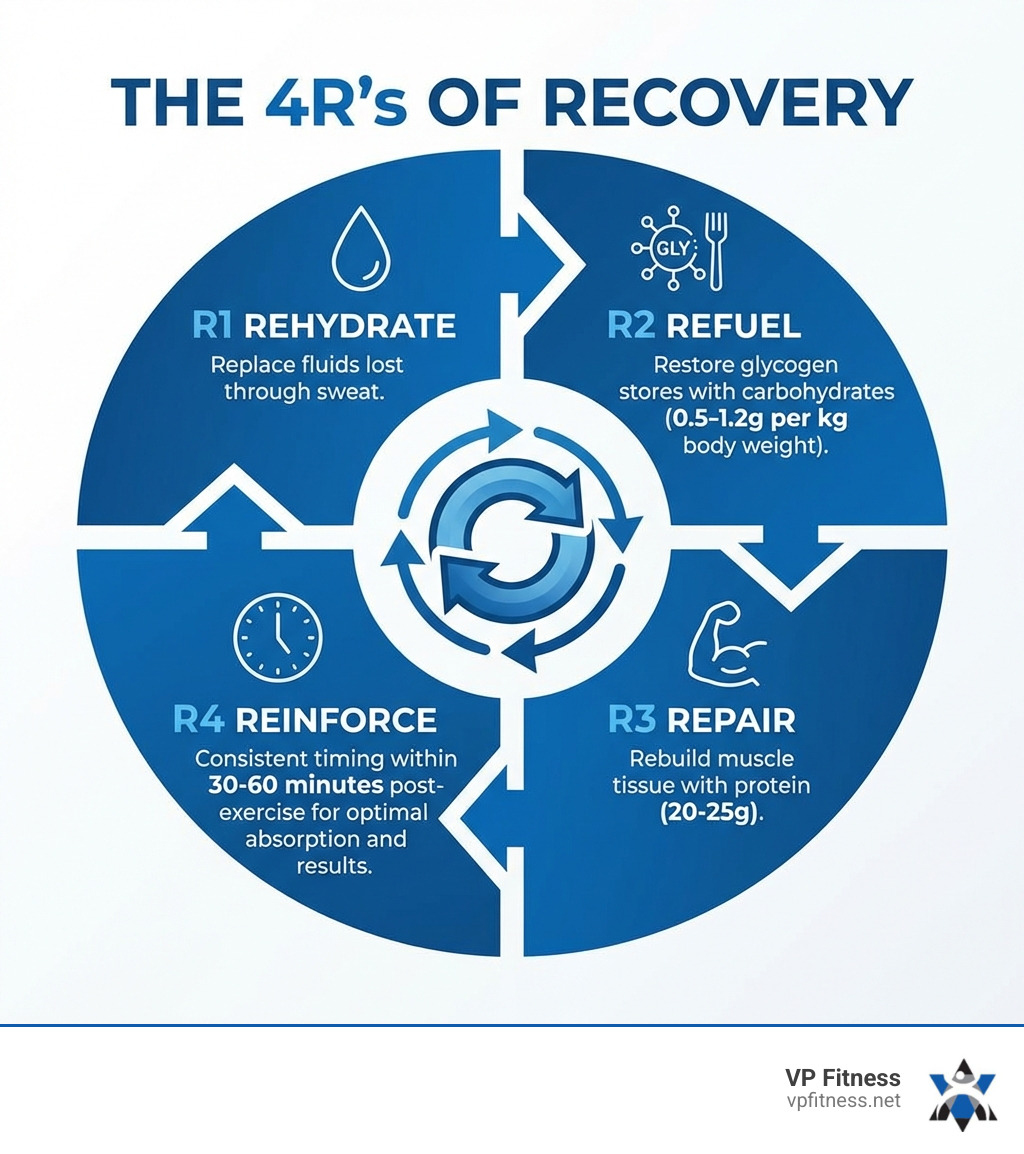
After a tough workout, your body faces three critical challenges: depleted energy stores, damaged muscle tissue, and fluid loss. What you drink in the 30-60 minutes following exercise can dramatically impact how quickly you recover and how well you perform in your next session.
The science is clear. Consuming a recovery drink with the right combination of nutrients can lead to 128% greater muscle glycogen restoration and 55% better exercise performance compared to drinking water alone or basic sports drinks. Yet many gym-goers either skip post-workout nutrition entirely or reach for drinks that don’t match their specific recovery needs.
Your recovery window matters more than you think. Research shows that delaying carbohydrate intake by just two hours after exercise results in 45% slower glycogen synthesis rates. That’s why understanding which recovery drinks work best—and when to consume them—can be the difference between plateauing and making consistent progress toward your fitness goals.
Whether you’re lifting heavy, running long distances, or pushing through high-intensity interval training, your body needs specific nutrients to repair, rebuild, and come back stronger. The right recovery drink provides those nutrients in a convenient, easily absorbed form that supports your muscles when they need it most.
I’m Joseph DePena, founder of VP Fitness in Providence, Rhode Island, and I’ve spent over a decade helping clients optimize their nutrition for better performance and faster recovery. Throughout my work with athletes and busy professionals, I’ve seen how strategic use of gym recovery drinks can accelerate progress and help people consistently show up stronger for their next workout.
Gym recovery drinks helpful reading:
Why Hydration and Electrolytes Matter for Gym Recovery
When we push ourselves in the gym, our bodies undergo significant physiological stress. One of the most immediate impacts is the loss of fluids and minerals through sweat. While many reach for plain water, understanding the deeper mechanics of hydration can revolutionize your post-workout-recovery.
According to Reuben Chen MD, a board-certified sports medicine physician, “Staying properly hydrated is essential for any workout, athletic performance, and recovery.” But hydration isn’t just about volume; it’s about the chemical balance within your cells.
The Role of Electrolytes
When you sweat, you aren’t just losing water. You are losing critical electrolytes—specifically sodium, magnesium, and potassium. These minerals are the “spark plugs” of the body, responsible for muscle contractions, nerve signaling, and maintaining fluid balance.
- Sodium: This is the primary electrolyte lost in sweat. It helps your body retain the fluid you drink. Without adequate sodium, your body will simply flush out the water you consume, leaving you in a state of “dehydration” even if you’re drinking liters of water.
- Magnesium: Essential for muscle relaxation and preventing cramps. A single cup of coconut water provides 60 milligrams of magnesium, covering about 14.3% of your Daily Value (DV).
- Potassium: Works alongside sodium to regulate heart rhythm and muscle function. An 8-ounce glass of orange juice provides 13% of your daily potassium needs.
Drinking water with added electrolytes helps replace these losses more effectively than plain water alone. This is especially true for athletes in Providence who engage in high-intensity training or those who tend to be “salty sweaters.” If you see white streaks on your gym clothes after a session, you are losing a high volume of sodium and need a targeted recovery drink.

Top Expert-Recommended Gym Recovery Drinks
Choosing the right beverage depends on your goals, but experts generally agree that a blend of nutrients is superior to a single-ingredient drink. Reema Kanda, a dietician for Hoag Orthopedic Institute, notes that she often opts for a protein shake mixed with fruit and a pinch of salt. This combination addresses all three pillars of recovery: repair (protein), refuel (carbs from fruit), and rehydrate (salt).
Consuming protein and carbohydrates together has been shown to reduce muscle damage caused by intense exercise. By providing the body with the building blocks it needs immediately after stress, you can mitigate the inflammatory response and get back to training sooner. For more options, you can explore expert insights on the top recovery drinks for athletes.
Chocolate Milk: The Gold Standard for Gym Recovery Drinks
It might sound like a childhood treat, but low-fat chocolate milk is widely considered the “gold standard” for gym recovery drinks. Its naturally occurring nutritional profile matches the needs of a recovering athlete almost perfectly.
- The 3:1 Ratio: Chocolate milk typically contains a 3:1 ratio of carbohydrates to protein. This specific balance is highly effective for triggering muscle protein synthesis while simultaneously refilling glycogen stores.
- Endurance Boost: In comparative studies, athletes who drank chocolate milk showed a significantly longer time to exhaustion (32 ± 11 minutes) in subsequent exercise compared to those who used a standard carbohydrate replacement drink (21 ± 8 minutes) or a plain fluid replacement drink (23 ± 8 minutes).
- Lactate Clearance: Some research suggests that the unique combination of carbs, proteins, fats, and electrolytes in milk may help clear lactic acid from the bloodstream faster than other beverages.
Because milk is high in high-quality protein (whey and casein), it provides a sustained release of amino acids to the muscles. This makes it an excellent choice for anyone looking to maximize muscle repair after a heavy lifting session or a long run through Blackstone Boulevard.
Natural Alternatives: Coconut Water and Tart Cherry Juice
If you prefer a “food-first” approach or have dairy sensitivities, natural options can be equally effective.
Coconut Water Often called “Nature’s Gatorade,” coconut water is rich in potassium and magnesium. While it is lower in sodium than traditional sports drinks, adding a pinch of sea salt makes it a formidable recovery tool. Some studies have found that coconut water provides hydration and performance benefits similar to commercial sports drinks for endurance cyclists.
Tart Cherry Juice This is the go-to for reducing muscle soreness. Tart cherries are packed with anthocyanins—antioxidants that have powerful anti-inflammatory effects. A 2021 meta-analysis of 14 studies confirmed that tart cherry juice significantly staves off muscle soreness and speeds up the recovery of muscle function. It’s a great addition to a plant-based-smoothies recipe.
Orange Juice Jennifer Hillis, MS, RD, points out that 100% orange juice is a nutrient-dense option that supports hydration with electrolytes like potassium, calcium (in fortified versions), and magnesium. With nearly 29 grams of carbohydrates per 8-ounce glass, it provides the rapid energy needed to kickstart glycogen resynthesis.
The Science of Protein and Carbohydrates in Muscle Repair
To understand why gym recovery drinks are so effective, we have to look at the “Anabolic Window.” While the idea that you must eat within 30 minutes or lose your gains is slightly exaggerated, the physiological benefits of early ingestion are undeniable.
Protein: The Building Blocks
The optimal protein absorption and metabolism for most individuals ranges between 20 and 25 grams of high-quality protein per meal. When you consume protein after a workout, your body breaks it down into essential-amino-acids, which are then used to “patch” the microscopic tears in your muscle fibers caused by resistance training.
Carbohydrates: The Fuel Pump
Carbohydrates play a dual role in recovery. First, they replace muscle glycogen—the primary fuel source for high-intensity exercise. Second, they stimulate the secretion of insulin. Insulin is an anabolic hormone that helps transport amino acids into the muscle cells.
Interestingly, combining carbohydrates with arginine can increase insulin secretion up to five times more than consuming either alone. This synergistic effect is why many professional-grade supplement-for-muscle formulas include both.
| Beverage Type | Glycogen Restoration Rate | Subsequent Performance |
|---|---|---|
| Carb-Only Drink | Baseline | Standard |
| Carb + Protein (4:1) | 128% Higher | 55% Improved |
| Plain Water | Minimal | Reduced |
Optimizing Your Gym Recovery Drinks with the 4:1 Ratio
If you are training for endurance or performing multiple gym sessions in a single day, the 4:1 carbohydrate-to-protein ratio is your best friend. Scientific research has shown that this specific ratio maximizes the rate of glycogen storage.
For a 150lb athlete, this might look like 60-80g of carbohydrates and 15-20g of protein. This ensures that the body has enough energy to refill the “tank” while providing enough protein to prevent muscle breakdown (catabolism). This is a core principle we use when designing recipes for our post-workout-smoothie-guide.
Timing and Customization: When to Drink for Maximum Gains
Timing is the final piece of the recovery puzzle. Glycogen synthesis rates are at their peak immediately after exercise because your muscle cells are highly sensitive to insulin and blood flow to the muscles is still elevated.
Research published in the Journal of Applied Physiology found that glycogen synthesis was 45% slower when a carbohydrate solution was delayed by just two hours. For the best results, start sipping your recovery drink while you are stretching or within the first 30-60 minutes of finishing your last set.
Homemade Electrolyte Recipes
You don’t need to spend a fortune on branded sports drinks to get professional results. You can make a highly effective, cost-effective recovery drink at home with ingredients you likely already have in your kitchen.
The VP Fitness Basic Recovery Brew:
- 4 cups of water (or coconut water for a potassium boost)
- Juice of 1/2 lemon and 1/2 orange
- 2-4 tablespoons of honey or maple syrup (for fast-acting carbs)
- 1/4 to 1/2 teaspoon of high-quality sea salt
- Optional: 5g of Creatine monohydrate
This DIY option allows you to control the sugar content and avoid the artificial dyes and flavors found in many commercial beverages.
Frequently Asked Questions about Gym Recovery Drinks
How soon after a workout should I consume a recovery drink?
Ideally, you should consume your recovery drink within 30 to 60 minutes post-workout. This is when your body is most efficient at absorbing nutrients and transporting them to the muscles. If you aren’t hungry immediately after training (a common side effect of intense exercise), waiting 20 minutes for blood to redistribute from your muscles to your digestive system can help.
Can I make a homemade electrolyte drink for recovery?
Absolutely. As outlined above, a simple mix of water, citrus juice, a natural sweetener, and sea salt provides the core components of hydration: fluid, glucose, and sodium. This is often better than store-bought drinks because it lacks preservatives and can be tailored to your specific taste and sodium needs.
Do recovery drinks differ for strength training versus endurance?
Yes.
- Strength Training: Your priority is muscle protein synthesis. Focus on a drink higher in protein (20-25g) with a moderate amount of carbs to spike insulin. A whey-based shake or our best-muscle-supplements-guide recommendations are ideal here.
- Endurance Training: Your priority is glycogen replenishment and rehydration. Focus on a higher carb-to-protein ratio (3:1 or 4:1) and a higher volume of electrolytes to replace what was lost during long-duration cardio.
Conclusion
Maximizing your results in the gym isn’t just about the hour you spend lifting weights; it’s about the 23 hours you spend recovering. By choosing the right gym recovery drinks, you provide your body with the essential tools it needs to repair tissue, replenish energy, and maintain the hydration levels necessary for peak performance.
At VP Fitness, we believe in a holistic approach to health. From individualized personal training to our smoothie-bar-providence, we are dedicated to providing the Providence fitness community with the resources they need to thrive. Whether you’re grabbing a custom-blended shake after a group class or mixing up a homemade electrolyte brew at home, consistency is the key to progress.
Ready to take your recovery to the next level? Visit us in Providence to experience our professional, clean environment and get personalized guidance on your nutrition and training. Let’s work together to make your next workout your best one yet.
Learn more about our personalized fitness and nutrition services at VP Fitness