

The Science of Staying Still: Isometric Training 101

The Science of Staying Still: Isometric Training 101
The Simple Truth About Isometric Training Most People Miss
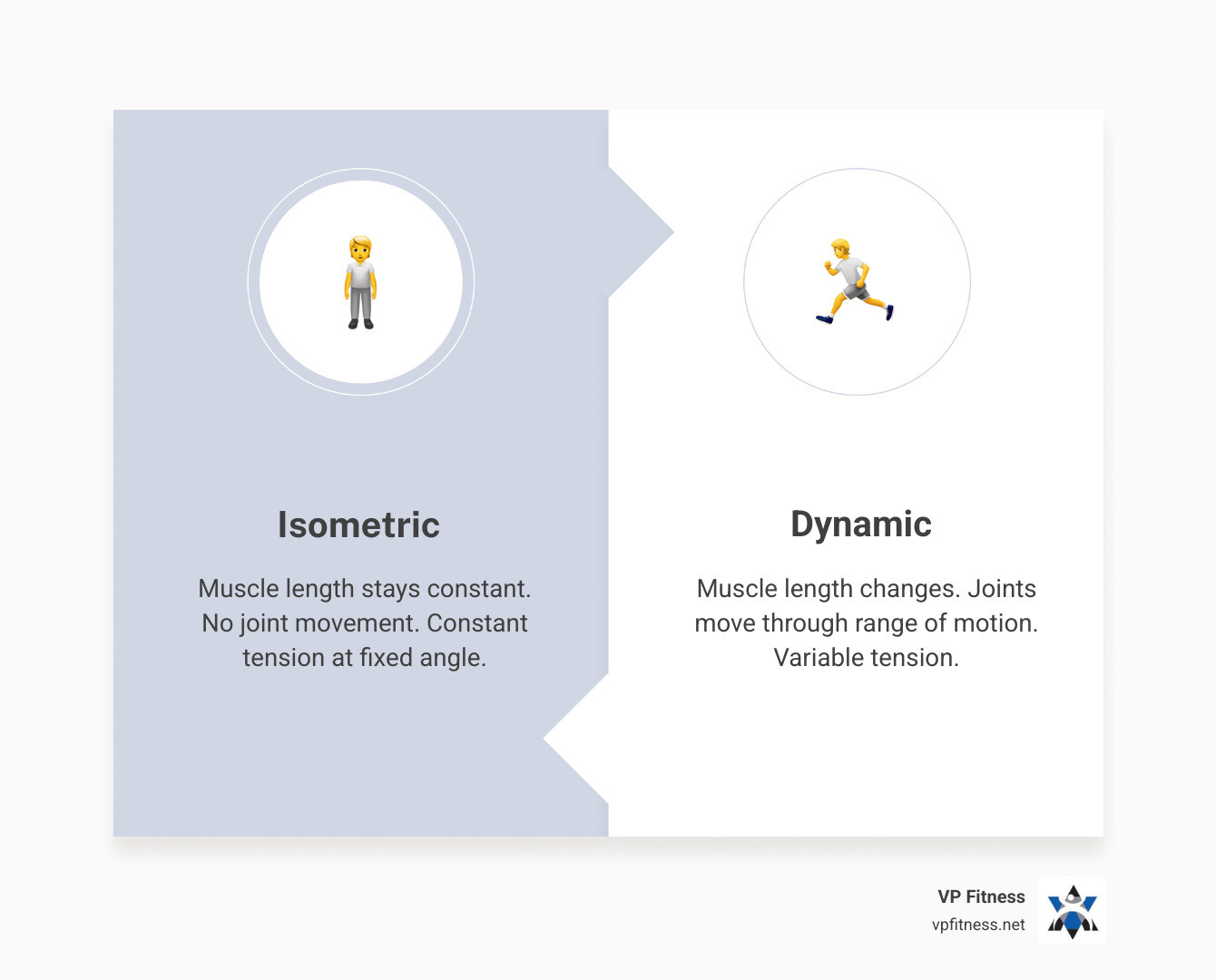
The definition of isometric exercise is straightforward: it’s any exercise where your muscles contract and generate force without changing length and without any movement at the joint.
Quick answer:
| Term | Meaning |
|---|---|
| Isometric | “Equal measure” — muscle length stays constant |
| Muscle contraction | Force is produced, but no movement occurs |
| Joint angle | Stays fixed throughout the hold |
| Examples | Plank, wall sit, dead hang, glute bridge hold |
In other words, you’re working hard — you’re just not moving.
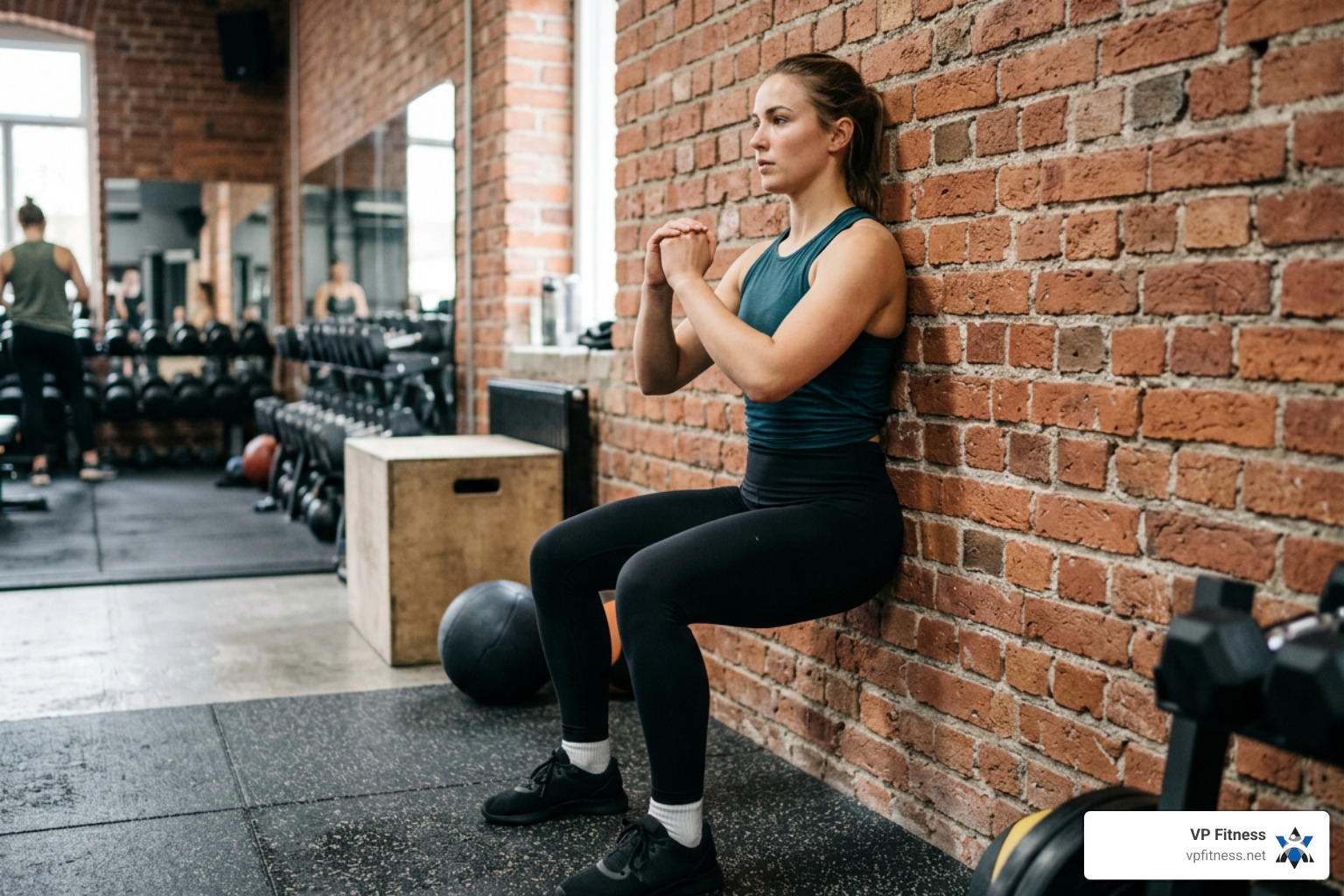
Think about holding the bottom of a squat and freezing there. Your muscles are firing. Your heart rate climbs. But nothing visibly changes. That’s isometric training.
It sounds simple. But the science behind it is surprisingly deep — and the benefits go well beyond just “getting stronger.”
Research shows isometric training can reduce systolic blood pressure by over 8 mmHg on average, support injury recovery, and even improve explosive athletic performance. Yet most gym-goers still overlook it.
I’m Joseph DePena, a fitness entrepreneur with over a decade of experience programming isometric and strength-based training for clients at every level — and understanding the definition of isometric exercise is where every smart training plan starts. In the sections ahead, we’ll break down exactly how isometric contractions work, the different types, and how to use them to get real results.
Explore more about definition of isometric exercise:
What is the Definition of Isometric Exercise?
To get technical, the formal definition of isometric exercise describes a type of muscular activity where the muscle is pitted against an immovable object or another muscle in a strong but motionless action. The term comes from the Greek words “isos” (equal) and “metria” (measuring). Essentially, the measurement of the muscle stays equal throughout the effort.
While we often associate exercise with “pumping iron” or running, the definition of isometric exercise highlights its unique anaerobic nature. Because you aren’t moving the joints, you can create intense muscle fiber activation without the wear and tear associated with high-impact movements. This makes it a powerhouse for building static strength—the kind of strength needed to hold a heavy grocery bag or maintain a rock-solid posture.
Beyond just muscle, isometrics are a secret weapon for bone health. Research indicates that the high levels of tension generated during static holds can help strengthen bone tissue. Furthermore, because these exercises require significant effort, they provide a metabolic boost. By increasing your lean muscle mass through static holds, you can actually elevate your resting metabolism, helping your body burn more energy even when you aren’t at the gym.
Understanding the Definition of Isometric Exercise vs. Isotonic
When we talk about the definition of isometric exercise, it helps to compare it to its more famous cousin: isotonic exercise. Most of the movements we do in a full-body workout are isotonic.
Isotonic exercises involve dynamic movement and are divided into two phases:
- Concentric: The muscle shortens (like the upward phase of a bicep curl).
- Eccentric: The muscle lengthens under tension (like lowering the weight back down).
In contrast, the definition of isometric exercise excludes these shortening and lengthening phases. To help visualize this, we’ve put together a breakdown of how these muscles in motion differ:
| Contraction Type | Muscle Length | Joint Movement | Example |
|---|---|---|---|
| Isometric | Constant | None | Plank |
| Isotonic | Changes | Active | Squat |
| Isokinetic | Changes | Constant Speed | Specialized Rehab Machines |
The beauty of the isometric approach is the constant tension. In a dynamic squat, there are moments where the load shifts or momentum takes over. In an isometric hold, the muscle must stay engaged 100% of the time to maintain the position.
The Role of Joint Angles in the Definition of Isometric Exercise
One of the most important things to understand about the definition of isometric exercise is that strength gains are often specific to the joint angle being trained. If you only practice wall sits with your knees at a 90-degree angle, you become very strong at that specific point, but less so at the top or bottom of a squat.
However, there is a phenomenon known as “physiological overflow.” Research suggests there is approximately a 10-degree strength overflow on either side of the joint angle maintained during the hold. This means if you hold a position at 90 degrees, you are effectively strengthening a total arc of 20 degrees.
This is why we often use isometrics to target “sticking points.” If you always fail at the midpoint of a bench press, practicing an isometric hold at that exact angle can help you blast through the plateau. It’s also why bodyweight exercises for strength often include holds to improve overall joint stabilization.
Types of Isometric Training: Yielding vs. Overcoming
Not all static holds are created equal. In professional strength and conditioning, we divide the definition of isometric exercise into two distinct categories: Yielding and Overcoming.
- Yielding Isometrics (Holding): This is what most people think of. You are holding a weight or your own body weight and resisting the urge to drop. Think of a plank or holding a dumbbell at a 90-degree angle. You are “yielding” to the load but refusing to let it move you.
- Overcoming Isometrics (Pushing/Pulling): This involves pushing or pulling against an immovable object. Imagine trying to push a brick wall or pulling on a barbell that is pinned to a rack and won’t budge.
A prime example used in sports science is the Isometric Mid-Thigh Pull (IMTP). Athletes stand on a force plate and pull upward on a fixed bar as hard as they can. Because the bar doesn’t move, it allows researchers to measure the absolute maximum force the athlete can produce.
You can perform these as unweighted exercises (pressing your palms together) or weighted exercises (holding a heavy kettlebell). Both methods are incredibly effective for building “core stiffness” and teaching your nervous system how to recruit as many muscle fibers as possible.
Key Benefits: From Rehabilitation to Blood Pressure Control
Why should you care about the definition of isometric exercise? Because the health benefits are backed by serious science.
One of the most exciting findings in recent years is the impact on hypertension. A 2023 meta-analysis published in the British Journal of Sports Medicine found that isometric exercise training is one of the most effective ways to lower resting blood pressure. On average, participants saw a reduction of 8.24 mmHg in systolic pressure and 4.00 mmHg in diastolic pressure. This is likely due to the “blood flow restriction” effect that happens during a hold, which causes a healthy rebound in circulation once the muscle relaxes.
Isometrics are also a staple in many physical therapy programs. They are ideal for:
- Arthritis Management: You can build strength around a joint (like the knee) without the painful grinding of repetitive movement.
- Injury Recovery: After surgery or a strain, isometrics help prevent muscle atrophy. Studies show that immobilization can lead to a 41% decrease in strength in just a few weeks; isometrics stop that slide.
- Tendon Health: Isometrics are known to increase tendon stiffness, which is vital for preventing injuries like Achilles tendonitis.
- Flexibility: While it seems counterintuitive, holding a muscle under tension can actually improve your exercise for flexibility by teaching the nervous system to relax into a range of motion.
How to Program Isometrics for Maximum Results
If you’re ready to move beyond the definition of isometric exercise and start training, you need a plan. You can’t just stand still and hope for the best!
1. The 3-10 Second Rule for Strength For maximum strength gains, intensity is key. Research suggests that short, high-intensity holds (lasting 3 to 10 seconds) at 100% of your maximum effort are best for building power. If you are doing a “yielding” hold with a lighter weight, you might hold for 30 to 60 seconds to build endurance.
2. Rate of Force Development (RFD) In sports, it’s not just about how much force you have, but how fast you can use it. “Ballistic isometrics” involve trying to contract the muscle as fast and hard as possible against an immovable object. This trains your brain to “fire” the muscles instantly, which is great for sprinters and jumpers.
3. Integration into Your Routine Don’t replace your entire workout with isometrics. Instead, use them as a “primer.”
- Start with a warm-up routine: Get the blood flowing first.
- The “Preload” Method: Perform a 5-second overcoming isometric (like pushing against a wall) right before a dynamic set of squats. This “wakes up” the nervous system, often allowing you to lift more weight.
- Finish with cool-down stretches: This helps reset the muscle tension you’ve built up.
Common Examples of Isometric Exercises
Ready to try it? Here are the classics we recommend starting with. The goal is to maintain proper squat form or posture even when you aren’t moving.
- The Plank: The ultimate core stabilizer. Focus on a straight line from head to heels.
- The Wall Sit: Great for quadriceps endurance. Keep your back flat against the wall and knees at 90 degrees.
- The Glute Bridge Hold: Lie on your back, lift your hips, and squeeze. This is excellent for “waking up” the posterior chain.
- The Dead Hang: Simply hang from a pull-up bar. This builds incredible grip strength and decompresses the spine.
- Isometric Push-Up Hold: Lower yourself halfway down in a push-up and freeze. It’s much harder than it looks!
- Squeeze-and-Release Patterns: Even something as simple as squeezing a tennis ball or pressing your palms together (the “Prayer Press”) fits the definition of isometric exercise.
If you’re working out at home, you can even adapt dumbbell exercises for home by simply pausing at the most difficult part of the movement for 10 seconds.
Frequently Asked Questions about Isometric Training
Can isometric exercises build significant muscle mass?
Yes, but with a caveat. While dynamic lifting is generally better for “bodybuilder” style hypertrophy, isometrics create significant metabolic stress and “time under tension,” both of which are triggers for muscle growth. Studies by Müller and Hettinger found that contractions exceeding one-third of maximum strength are enough to stimulate growth. For the best results, we recommend a full-body workout integration that combines both static and dynamic moves.
Are isometrics safe for people with high blood pressure?
While isometrics lower resting blood pressure over time, they can cause a temporary spike during the exercise—especially if you hold your breath. This is known as the Valsalva maneuver. To stay safe, always follow Mayo Clinic safety guidelines: breathe continuously, avoid straining to the point of pain, and consult your doctor if you have a history of heart issues.
How do isometrics improve sports performance?
Isometrics are a “secret weapon” for athletes. They improve running economy (making you more efficient with each step) and increase tendon stiffness, which allows for better energy transfer. Furthermore, using an isometric “preload”—like a sprinter pushing against the blocks before the gun goes off—prepares the muscles for explosive power. You can find deep dives into this in research on isometric strength and performance.
Conclusion
True strength isn’t just about how much weight you can move—it’s about how much force you can control. Understanding the definition of isometric exercise is the first step toward a more resilient, stable, and healthy body. Whether you’re looking to recover from an injury or an athlete wanting to shave seconds off your sprint time, static holds belong in your program.
Don’t just go through the motions. Learn to master the “Science of Staying Still.” A well-structured training plan incorporates the best of both worlds—dynamic power and isometric stability.
Ready to see what your body is truly capable of? Start your muscle definition workout today!