

Weight Loss Accountability Survival Guide

Weight Loss Accountability: 7-Step Survival
Why Weight Loss Accountability is the Missing Piece in Your Fitness Journey
Weight loss accountability is the obligation to take responsibility for your actions—specifically your dietary choices, exercise habits, and lifestyle decisions—either to yourself or to others. It’s the system that keeps you committed when motivation fades.
Quick Answer: Weight Loss Accountability Includes:
- Personal Accountability – Self-tracking through food journals, progress photos, and regular weigh-ins
- Social Accountability – Support from workout buddies, family, or online communities
- Professional Accountability – Guidance from trainers, nutritionists, or coaches with structured check-ins
- Key Benefits – Increased motivation, consistent behavior, better results, and reduced feelings of isolation
Why It Matters:
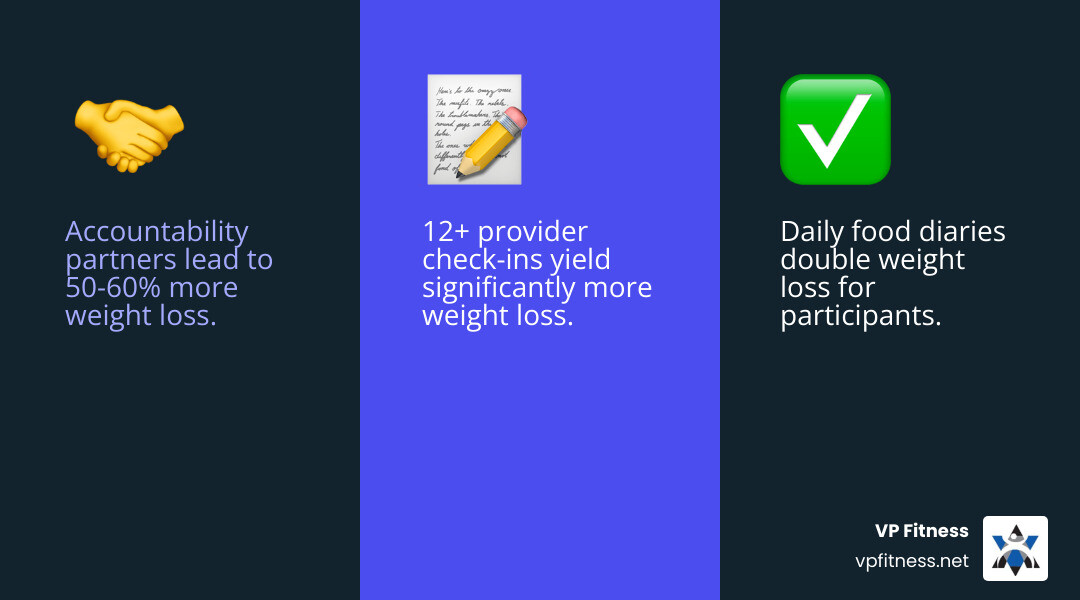
Research shows accountability dramatically improves weight loss success. Individuals with accountability partners can lose 50-60% more weight than those going solo. People who kept daily food diaries doubled their weight loss compared to those who didn’t track. A systematic review found that 12 or more check-ins between patients and providers led to significantly more weight loss.
The challenge isn’t knowing what to do—most people understand they need to eat better and move more. The real struggle is doing it consistently when life gets busy, stress hits, or motivation disappears. That’s where accountability becomes your safety net.
Accountability works because it taps into fundamental human psychology. When you share goals with others, your brain treats them differently—they become more real and important. You’re less likely to skip a workout when someone is expecting you. You think twice about late-night snacking when you know you’ll log it tomorrow.
Beyond weight on the scale, accountability delivers powerful psychological benefits. It builds self-discipline and self-efficacy—the belief that you can actually achieve your goals. It creates structure in an otherwise chaotic process. Most importantly, it reminds you that you’re not alone in this journey.
The Science and Psychology Behind Why Accountability Works
Why is weight loss accountability so crucial for success? It’s more than just a buzzword; there’s hard science and deep psychology behind its effectiveness. When we commit to a goal and share it with someone else, our brain processes it differently. It becomes more real, more important, and significantly harder to abandon. This cognitive shift is a powerful motivator, nudging us forward even when our inner couch potato tries to win.
The neuroscience of accountability suggests that when we externalize our goals, we engage different parts of our brain, creating a stronger commitment. This isn’t just about avoiding embarrassment; it’s about leveraging our innate social wiring. Humans are social beings, and our desire to live up to our commitments, especially those known by others, is a strong driving force. As one source notes, “When you set a goal and share it with someone else, your brain treats it differently. It becomes more real and more important. You’re also less likely to give up when someone else knows about your goal.”.
Beyond the brain’s unique response to shared goals, accountability offers profound psychological benefits that fuel long-term success. It cultivates greater self-discipline, as we consistently make choices aligned with our stated objectives. This regular practice of discipline strengthens our mental resolve, making it easier to steer temptations and challenges. We also build self-efficacy, which is our belief in our ability to succeed in specific situations. Each time we meet an accountable goal, no matter how small, our confidence grows, empowering us to tackle bigger aspirations.
Moreover, accountability significantly reduces feelings of isolation. Weight loss can often feel like a lonely battle, fought against cravings, busy schedules, and self-doubt. Having someone or something to report to transforms this solitary journey into a supported endeavor. Whether it’s a friend, a coach, or a detailed food log, knowing our efforts are observed and valued provides encouragement and a sense of belonging. This shared experience creates a positive feedback loop, reinforcing our commitment and helping us stay motivated through thick and thin.

The impact of accountability isn’t just theoretical. Research consistently backs it up with compelling statistics:
- Food Diaries: A study with nearly 1,700 participants found that those who kept a daily food diary doubled their weight loss compared to those who didn’t. This simple act of self-monitoring significantly increases awareness of eating habits and patterns, making us more mindful of our choices..
- The Buddy System: Individuals paired with accountability partners can lose 50-60% more weight than those who pursue weight loss alone. This peer support provides encouragement, shared commitment, and a safety net for when motivation wavers. Another study of 704 individuals in an online weight loss program found that those who participated with a buddy lost more weight and waist inches than those who went through the program without peer support..
These findings underscore a powerful truth: while the desire to lose weight might originate within us, surrounding ourselves with external structures and support systems dramatically increases our chances of success. Accountability isn’t about being perfect; it’s about being consistent, supported, and continuously recalibrating our efforts, much like a GPS system that helps us get back on track after a wrong turn.
The 3 Core Types of Accountability: Finding Your Fit
When it comes to weight loss accountability, there isn’t a one-size-fits-all solution. Different approaches resonate with different people, and often, the most effective strategy involves combining various types of accountability. Understanding these three core types—personal, social, and professional—can help you build a robust system that truly works for you.

Combining these types often yields the best results. For example, you might maintain a personal food diary, check in weekly with a workout buddy, and meet monthly with a professional nutritionist. This multi-layered approach creates a comprehensive support system, making it much harder to fall off track.
Personal Accountability: Becoming Your Own Champion
This is where your journey truly begins: with yourself. Personal accountability involves taking ownership of your choices, tracking your progress, and making self-adjustments. It’s about being honest with yourself, celebrating your wins, and learning from your setbacks. Michelle Routhenstein, RDN, CDCES, describes it as “where someone tracks their own behaviors, actions, and weight loss progress, and can make adjustments by themselves to achieve their desired weight loss targets.”
Key strategies for personal accountability include:
- Food Journaling: This is a tried-and-true method that significantly increases awareness of what you eat. Whether you use a notebook or an app like MyFitnessPal, logging your meals helps you identify patterns, portion sizes, and nutritional intake. As we mentioned, studies show it can double weight loss!
- Self-Weighing: Regularly stepping on the scale can be a powerful tool, not for obsession, but for awareness. Focusing on weekly trends rather than daily fluctuations helps you understand how your choices impact your weight. It’s a quick “health check-in” that empowers you to make timely adjustments.
- Progress Photos: The scale doesn’t always tell the whole story. Taking regular progress photos allows you to see changes in your body composition that might not show up on the scale. These visual reminders can be incredibly motivating.
- Habit Trackers: Simple habit trackers, whether digital or on paper, help you monitor consistent actions like drinking enough water, getting daily steps, or sticking to your workout routine. Crossing off a successful day can provide a small but meaningful sense of accomplishment.
- Tracking Measurements: Beyond just weight, measuring your waist, hips, and other areas provides a more comprehensive view of your progress, especially as you build muscle and lose fat. Learn more about this in our guide on Tracking your measurements.
Social Accountability: The Power of the Pack
We are social creatures, and leveraging our connections can be a game-changer for weight loss accountability. Social accountability involves relying on a network of friends, family, or peers for support, motivation, and shared commitment.
Ways to tap into social accountability:
- Workout Buddy: Having a friend who expects you at the gym makes you far less likely to skip. You motivate each other, celebrate small victories, and push through challenging workouts. This shared experience fosters a sense of camaraderie and mutual responsibility.
- Support Groups: Joining a weight loss support group, either online or in person, provides a community of individuals facing similar challenges. Sharing experiences, tips, and encouragement can be incredibly empowering and reduce feelings of isolation.
- Family Involvement: Getting your household on board with healthier eating and activity habits can create a supportive environment. Even small changes, like family walks or cooking nutritious meals together, can make a big difference.
When looking for a social accountability partner, consider these qualities:
- Reliability: Your partner should be consistent and committed, showing up when they say they will.
- Supportive Attitude: Look for someone who is encouraging and empathetic, rather than judgmental. They should lift you up, not put you down.
- Honesty: A good partner will give you “tough love” when you need it, helping you acknowledge setbacks and get back on track.
- Shared Goals: While not strictly necessary, having similar aspirations can strengthen the bond and mutual understanding. You can find more tips on this from NPR on finding a good accountability partner.
Professional Weight Loss Accountability: Investing in Expert Guidance
Sometimes, we need to bring in the pros. Professional accountability involves working with qualified experts who can provide personalized guidance, structured plans, and consistent oversight. This can be particularly beneficial for those seeking a more custom approach or needing expert knowledge to steer specific challenges.
Experts who can offer professional accountability include:
- Personal Trainers: A trainer can design customized workout plans, teach proper form, and push you beyond what you thought possible. Their scheduled sessions create a strong sense of accountability, ensuring you show up and put in the work.
- Nutritionists or Registered Dietitians: These professionals can create personalized nutrition plans, educate you on healthy eating habits, and help you understand your relationship with food. Their regular check-ins provide expert feedback and ensure your dietary choices align with your weight loss goals.
- Weight Loss Coaches: A dedicated coach can help you set realistic goals, develop strategies to overcome obstacles, and provide ongoing motivation and support. They act as a strategic partner, helping you steer the psychological and practical aspects of your journey.
The impact of professional guidance is significant. A systematic review of 34 studies on weight loss interventions found that a higher number of check-ins between patients and providers (12 or more) led to more significant weight loss. This highlights the power of consistent, expert oversight in driving results..
Investing in professional guidance means you’re not just getting accountability; you’re gaining access to specialized knowledge, personalized strategies, and a dedicated partner committed to your success.
Your 7-Step Action Plan for Weight Loss Accountability
Building a strong weight loss accountability system requires a proactive approach. It’s not about hoping you’ll stay motivated; it’s about creating structures and habits that ensure you do. Here’s our 7-step action plan to help you integrate accountability into every aspect of your weight loss journey.
1. Set SMART Goals
Vague goals like “I want to lose weight” are often destined to fail. To truly hold yourself accountable, your goals need to be crystal clear. We recommend following the SMART framework:
- Specific: What exactly do you want to achieve? Instead of “lose weight,” try “lose 10 pounds.”
- Measurable: How will you track your progress? “Lose 10 pounds” is measurable.
- Attainable: Is your goal realistic given your current circumstances? Losing 10 pounds in a week might not be, but 1-2 pounds per week is.
- Relevant: Does this goal align with your overall health and lifestyle aspirations?
- Timely: What is your deadline? “Lose 10 pounds in the next 8 weeks.”
Breaking down large goals into smaller, manageable steps is also crucial. If your ultimate goal is to lose 100 pounds, focusing on the first 5 pounds makes the journey feel less overwhelming and more achievable. Each small victory builds momentum and confidence. This strategic approach helps avoid common pitfalls with fitness resolutions. You can find more detailed guidance on How to write SMART Goals.
2. Master the Art of Tracking
You can’t manage what you don’t measure. Consistent tracking is the backbone of personal accountability and provides invaluable data for making informed decisions.
- Food Journaling: As highlighted earlier, this is a powerful tool. Log everything you eat and drink. This isn’t about judgment, but about awareness. Many apps make this easy, or you can go old-school with a notebook. This forms a core part of any customized nutrition plan.
- Workout Logs: Record your exercises, sets, reps, duration, and intensity. This helps you see your progress, identify areas for improvement, and ensures you’re consistently challenging yourself.
- Tracking Measurements: Beyond the scale, regularly measure your waist, hips, thighs, and arms. These measurements can show progress even when the scale is stagnant, indicating fat loss and muscle gain. Learn how to do it effectively with Tracking your measurements.
- Progress Photos: Take “before” photos and continue to snap pictures every few weeks. They offer a visual testament to your hard work and can be incredibly motivating.
3. Leverage Technology to Your Advantage
Technology offers a wealth of tools to improve weight loss accountability. From smart devices to online communities, there are countless ways to stay on track.
- Fitness Apps: Many apps allow you to track food intake, log workouts, monitor steps, and even connect with friends for shared challenges. They provide instant feedback and data-driven insights into your habits.
- Wearable Trackers: Devices like smartwatches and fitness bands monitor your activity levels, heart rate, sleep patterns, and more. This data can help you understand your body better and identify areas where you can improve.
- Online Communities: Participating in online forums or social media groups dedicated to weight loss provides a sense of community and mutual support. You can share successes, ask questions, and get encouragement from others on a similar journey. This can significantly improve fitness results.
- Smart Scales: These scales connect to apps, automatically logging your weight and sometimes even body composition, creating a seamless tracking experience.
4. Schedule Regular, Non-Negotiable Check-ins
Consistency is key, and scheduled check-ins create a powerful external commitment. Treat these appointments with the same importance as a doctor’s visit.
- Appointments with Yourself: Dedicate specific times each week to review your food log, workout data, and overall progress. Reflect on what went well and what challenges you faced.
- Partner Check-ins: If you have an accountability partner, schedule regular calls, texts, or meetings to discuss your week. Be honest about your struggles and celebrate your wins together.
- Coach Meetings: For those with professional guidance, these structured sessions are crucial. Your trainer or nutritionist will review your progress, adjust your plan, and provide expert feedback. Frequent check-ins with providers lead to greater weight loss.
5. Celebrate Milestones (the Right Way)
Acknowledging your progress is vital for sustained motivation, but it’s important to celebrate in ways that don’t derail your efforts.
- Non-Food Rewards: Instead of celebrating with a cheat meal, opt for rewards that align with your health goals or bring you joy without compromising your diet. This could be new workout gear, a massage, a relaxing spa day, a new book, or a fun outing with friends.
- Acknowledging Progress: Take time to appreciate how far you’ve come. Look at your progress photos, review your workout logs, or simply acknowledge how much better you feel and how your clothes fit.
- Reinforcing Positive Habits: Use celebrations as an opportunity to reinforce the healthy habits you’ve built. This helps to create a positive association with your healthy lifestyle.
6. Overcome Common Challenges and Setbacks
The path to weight loss is rarely linear; setbacks are inevitable. Weight loss accountability helps you steer these bumps in the road without giving up entirely.
- Navigating a weight loss plateau: When progress stalls, accountability can help you analyze your tracking data, identify potential issues, and strategize adjustments with a partner or coach. It prevents you from feeling defeated and ensures you keep pushing forward.
- Loss of Motivation: We all have days when motivation is low. This is where your accountability system kicks in. Knowing someone is expecting you, or having a log to fill, can provide the gentle nudge needed to stay on track. Remind yourself of your “why” and review your progress photos.
- Busy Schedules: Life gets hectic, but accountability helps you prioritize your health. Plan meals and workouts like non-negotiable appointments. Even 15-20 minutes of movement is better than nothing.
- Using Accountability to “Recalculate”: Think of your accountability system as an internal GPS. When you make a mistake or fall off track, it doesn’t mean the journey is over. Instead, it prompts you to “recalculate,” assess what went wrong, and adjust your course. This continuous recalibration is crucial for long-term success. This is particularly useful after periods of indulgence, like when you reset after vacation.
7. Maintain Accountability for Long-Term Success
Reaching your initial weight loss goals is a fantastic achievement, but maintaining that success requires ongoing weight loss accountability. The habits and systems you built to lose weight are just as important for keeping it off.
- Shifting from Weight Loss to Maintenance: Your goals might change, but the need for accountability doesn’t disappear. You might shift your focus to maintaining weight, building muscle, or improving overall fitness.
- Re-evaluating Goals: Periodically review and adjust your SMART goals to ensure they remain relevant and challenging. What motivates you during weight loss might evolve during maintenance.
- Becoming a Mentor: Once you’ve achieved your goals, consider becoming an accountability partner or mentor for someone else. Helping others can reinforce your own commitment and provide a new sense of purpose in your health journey. This can be a great way to integrate new routines, like a back-to-school fitness routine.
Frequently Asked Questions about Weight Loss Accountability
What makes a good accountability partner?
A good accountability partner is a crucial asset on your weight loss journey. They should possess several key traits:
- Reliability: They show up, follow through, and are consistent in their support.
- Supportive Attitude: They offer encouragement and understanding, especially during setbacks, rather than judgment.
- Honesty: They’re willing to give you “tough love” when needed, helping you face realities and get back on track.
- Shared Goals (Ideally): While not essential, having similar health objectives can foster deeper empathy and mutual motivation.
- Good Communication: They are open, listen actively, and are able to articulate their own challenges and successes.
A good partner helps you stay focused, motivated, and committed without making you feel like you’re being policed.
How often should I weigh myself for accountability?
The frequency of weighing yourself for weight loss accountability can vary, but generally, focusing on weekly trends is more beneficial than daily fluctuations. Weight can naturally vary day-to-day due to hydration, sodium intake, and other factors.
- For Weight Loss: Weighing yourself at least once a week, at the same time and under similar conditions (e.g., first thing in the morning, after using the restroom, before eating), provides a consistent data point. Some research suggests more frequent weighing (e.g., daily) can lead to greater awareness and quicker adjustments, but for many, weekly is sufficient to track trends without becoming obsessive.
- For Weight Maintenance: Once you’ve reached your goal, weighing yourself once a week is often enough to catch any upward trends early, allowing you to make small adjustments before significant regain occurs.
The scale is just one tool. It’s important to also consider non-scale victories like improved energy, better sleep, clothes fitting differently, and increased strength.
Can I be successful with only personal accountability?
Yes, it is possible to achieve weight loss success through personal accountability alone. Many individuals find powerful motivation and consistency through self-monitoring tools like food diaries, workout logs, and progress photos. The act of tracking your own behaviors and seeing your progress can be highly empowering and reinforce positive habits.
However, research consistently shows that success rates are often higher when personal accountability is combined with social or professional support. The added layer of external commitment, expert guidance, or peer encouragement can provide the extra push needed to overcome challenges, maintain motivation during difficult times, and offer new perspectives. While personal accountability is foundational, integrating aspects of social or professional accountability can create a more robust and resilient system for lasting results.
Your Journey to Lasting Results Starts Now
We’ve explored the profound impact of weight loss accountability, from its scientific underpinnings to its practical applications. It’s clear that accountability is the crucial bridge between setting ambitious weight loss goals and actually achieving them. It transforms vague intentions into concrete actions, ensuring consistency even when motivation wavers.
The goal isn’t perfection, but consistent progress. Accept the process of learning, adjusting, and growing.