

Your Secret Weapon: Why a Weight Loss Accountability Program is Your Key to Lasting Success

Weight loss accountability program: Your #1 Key!
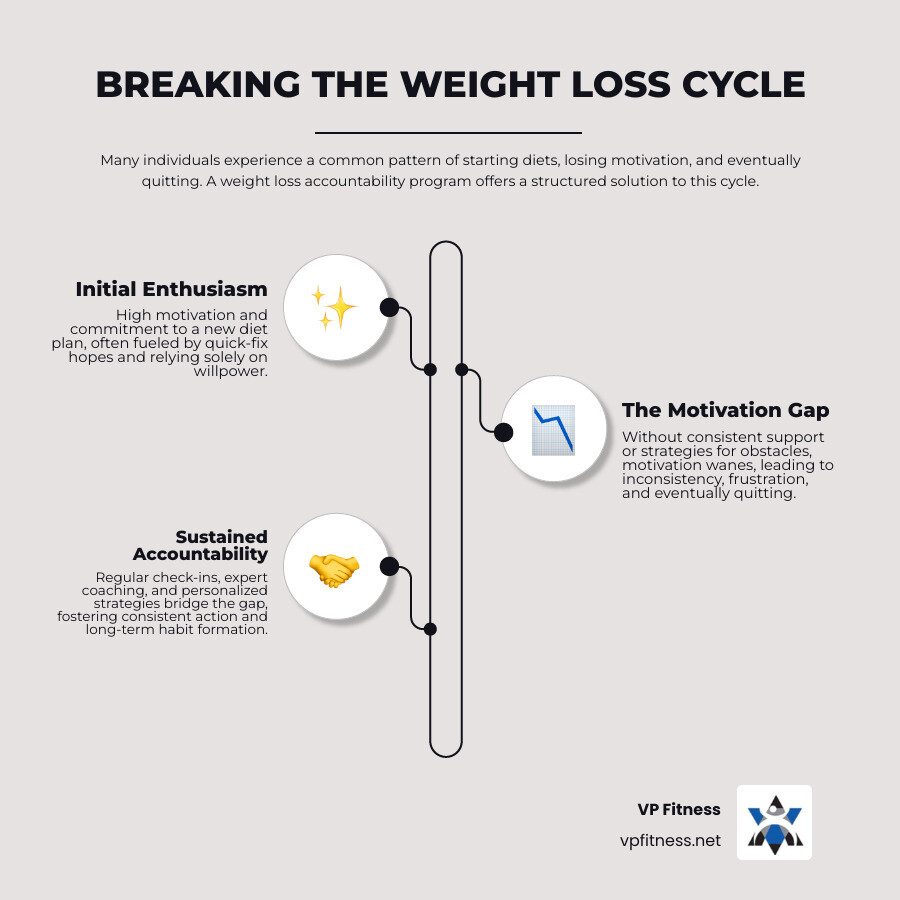
Why You Keep Saying “I’ll Start Monday”
You know what to do: eat better, move more, get enough sleep. The information is everywhere. But if you’ve ever said “I’ll start on Monday” only to repeat it weeks later, you know that knowing and doing are two different things. This gap between intention and action is where most weight loss journeys fail.
The problem isn’t a lack of willpower; it’s trying to do it alone without structure or support. This is where a weight loss accountability program comes in. It’s a structured system designed to help you stay consistent through regular check-ins, expert guidance, and behavioral strategies.
Research confirms the power of accountability. Studies show that people in structured programs with expert coaches are far more likely to succeed, losing 5-7% of their initial weight and keeping it off. The key difference is having someone to answer to.
Effective weight loss accountability programs focus on sustainable habits, not quick fixes. The best approaches combine expert coaching with practical strategies that fit into your real life, because lasting results come from building a healthier lifestyle.
What Exactly Is a Weight Loss Accountability Program?
Think about the last time you tried to lose weight alone. You started strong, but then life happened—a stressful deadline, a social event, or just exhaustion. Soon, you were back to old habits, promising to start again “next Monday.” This isn’t a failure of willpower; it’s what happens without support and structure.
A weight loss accountability program is a support system designed to bridge the gap between knowing what to do and actually doing it. While a standard diet gives you a rigid meal plan and wishes you luck, an accountability program walks alongside you. It focuses on sustainable habits and long-term behavioral change instead of temporary restriction. The goal isn’t just to lose weight, but to empower you to make healthy choices independently.
The best programs emphasize personalized plans that adapt to your life. They help you change your relationship with food so you can reach your goals while still enjoying what you eat. This holistic approach helps you avoid the common pitfalls where fitness resolutions fail.

Core Components of an Effective Program
An effective program recognizes that you are unique. The best programs are built on several key components that support your individual journey.
-
Personalized Planning: It starts with a thorough assessment of your habits, lifestyle, and goals. From there, a strategy is crafted that’s truly yours, including a Customized Nutrition Plan and a Personalized Exercise Routine.
-
SMART Goal Setting: We break down big aspirations into small, manageable steps (Specific, Measurable, Achievable, Relevant, Time-bound). These small wins build momentum and confidence without the overwhelm.
-
Regular Check-ins: This is the heart of accountability. Consistent communication—via text, video calls, or in-person meetings—keeps you moving forward, addresses challenges, and allows for real-time adjustments to your plan.
-
Nutritional Guidance: We help you understand the why behind healthy eating, from balanced nutrients to portion control. The goal is to make healthy eating feel natural and enjoyable, not like a sacrifice.
-
Exercise Support: We ensure your physical activity is effective, safe, and sustainable. This includes guidance on proper form, creating routines you enjoy, and adapting exercises to your needs.
-
Education: We teach you the science behind healthy living in practical terms. This empowers you to make informed decisions on your own and builds the self-trust essential for long-term success.
The Typical Process: From Assessment to Maintenance
An accountability program is a journey with distinct phases designed to support you as you progress.
-
Initial Consultation & Assessment: We get to know you—your health history, lifestyle, and goals. This conversation is the foundation for a plan built around your real life.
-
Goal Setting & Plan Development: We define clear, realistic goals and create your custom roadmap. This plan integrates nutrition, exercise, and behavioral strategies into manageable daily and weekly steps that align with your ultimate fitness goals.
-
Ongoing Support & Adjustments: Regular check-ins with your coach allow for real-time progress monitoring, motivation, and immediate plan adjustments. We’re there for the wins and the challenges.
-
Progress Reviews: We periodically evaluate your overall journey, celebrate major milestones, and refine your plan for the next phase. We look at the whole picture, including non-scale victories like increased energy and better sleep.
-
Maintenance Phase: Reaching your goal isn’t the finish line. We equip you with strategies and ongoing support to sustain your new healthy habits independently, ensuring you feel confident for the long haul.
Medically Supervised vs. Non-Medical Programs
You’ll find two main types of programs: medically supervised and non-medical. They serve different needs and take different approaches.
Medically supervised programs involve direct oversight by physicians and may include prescription medications (like GLP-1s) for those who meet specific criteria (e.g., a BMI of 32+ or weight-related health conditions). They often use very low-calorie diets and monitor clinical health markers. Some costs may be covered by insurance.
Non-medical programs are led by certified health coaches, nutritionists, and fitness professionals. They focus on lifestyle changes, habit formation, and sustainable behavioral shifts for anyone seeking to improve their health. The emphasis is on whole foods and balanced nutrition, with accountability provided through coaching and support. These programs are typically an out-of-pocket expense.
Here’s a quick comparison:
| Feature | Medically Supervised Program | Non-Medical Program |
|---|---|---|
| Physician Involvement | Direct oversight by doctors or specialists | Led by certified coaches, nutritionists, and fitness professionals |
| Use of Prescription Aids | May include prescription medications when appropriate | Focuses on lifestyle changes; no medications |
| BMI Requirements | Often has specific criteria (e.g., BMI 32+) | Accessible to anyone seeking weight loss or improved health |
| Insurance Coverage | May be partially covered by insurance | Typically out-of-pocket expense |
| Focus | Clinical health markers and medical conditions | General health, habits, and sustainable lifestyle changes |
| Dietary Approach | May involve very low-calorie or liquid diets | Emphasizes whole foods and balanced, sustainable nutrition |
| Target Audience | Those with significant obesity or weight-related health issues | Anyone seeking weight loss, fitness, and healthier habits |
While our programs are non-medical, we always recommend consulting your doctor before starting any new weight loss plan. A BMI calculator can be a useful starting point, but a medical professional can provide a comprehensive assessment. The right choice depends on your health needs and goals.
The Power of Accountability: Bridging the Gap Between Knowing and Doing
The gap between what you know you should do and what you actually do is where most weight loss journeys stall. Accountability is the bridge that turns good intentions into consistent action.
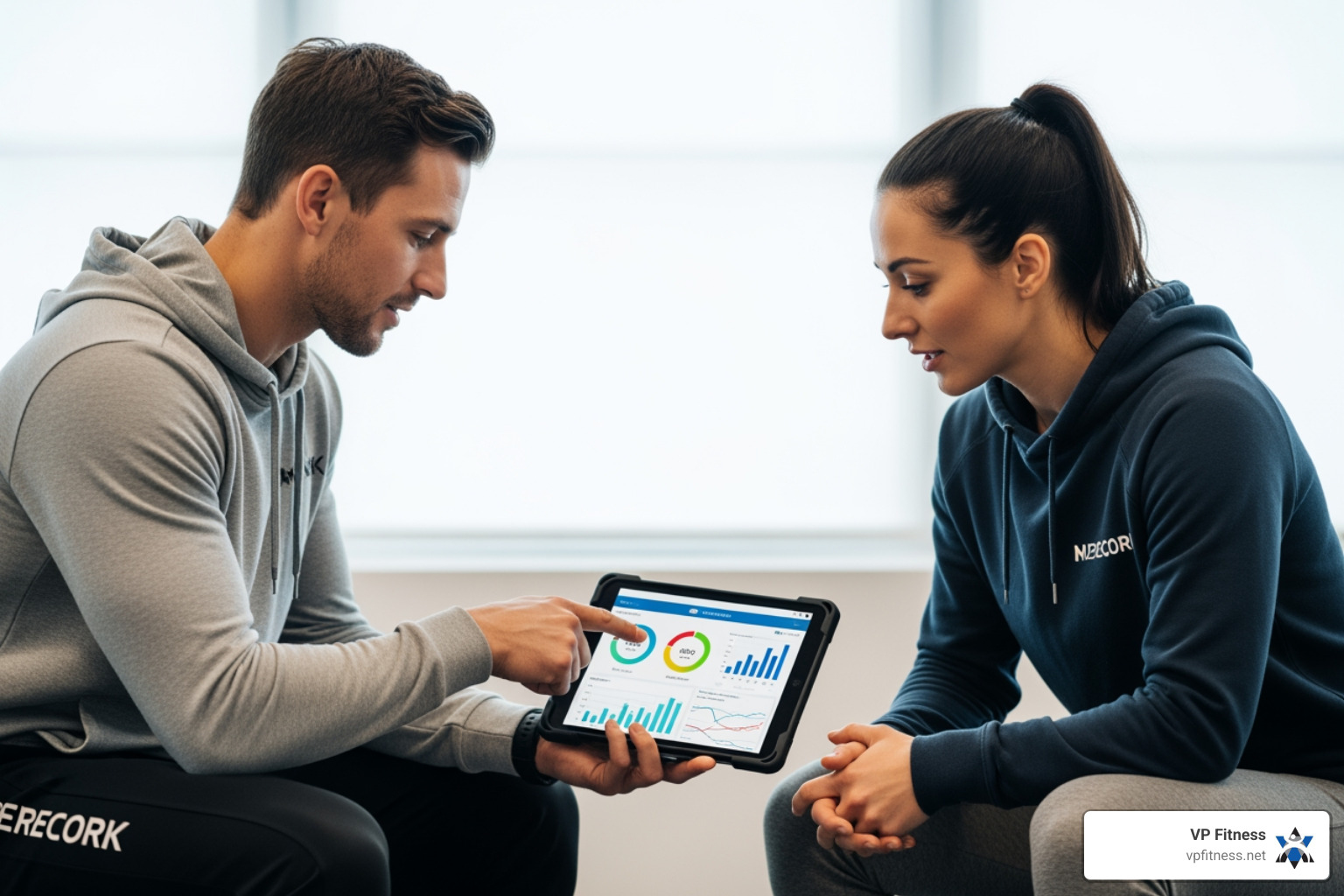
The psychology is simple: when you commit to someone other than yourself, you create external motivation. This isn’t about shame; it’s about having a support structure for days when your internal motivation wavers. A weight loss accountability program provides the framework to keep you moving forward even when you don’t feel like it.
Over time, this process builds self-trust. Each time you follow through, you prove to yourself that you’re capable of success. A good coach becomes your partner in navigating common challenges:
- Plateaus: When the scale won’t budge, a coach provides perspective and strategy adjustments, turning frustration into a problem-solving opportunity.
- Emotional Eating: A coach helps you recognize patterns like stress-snacking without judgment, working with you to develop healthier coping mechanisms.
- Social Pressure: From office donuts to family dinners, a coach equips you with strategies to steer social situations confidently, so you can enjoy your life while still honoring your goals.
You’re no longer figuring it out alone. You have an expert in your corner to keep you on track, which is key to staying motivated with your fitness goals.
The Role of a Coach vs. a Personal Trainer
While both are valuable, an accountability coach and a personal trainer have different roles. A personal trainer teaches you how to move; an accountability coach ensures you do move, consistently.
-
A weight loss accountability coach focuses on the behavioral and mental side of change. Their expertise is in behavior change, helping you modify the habits, mindset, and lifestyle factors that have kept you stuck. They ensure consistency and provide motivation for your entire lifestyle—sleep, stress, and daily routines. This is the core of accountability coaching.
-
A personal trainer is your expert in the physical execution of exercise. They focus on proper form, workout programming, and safety to prevent injury and maximize results. They teach you how to do a perfect squat; the coach makes sure you show up to do them.
The most successful journeys combine both, leveraging the benefits of personal training while tackling the consistency challenges that derail so many people.
What to Look for in a Great Coach
Choosing the right coach is a critical decision. Here’s what to look for:
-
Certifications and Background: Ensure your coach has reputable credentials in health, nutrition, or fitness. This guarantees they have a solid, science-backed foundation of knowledge.
-
Experience and Empathy: Look for a coach who has worked with people like you and demonstrates genuine empathy. They should understand your struggles and celebrate your wins.
-
Coaching Style: Find a personality fit. Do you prefer a direct, “tough love” approach or gentle encouragement? The right style will keep you engaged.
-
Communication Methods: Choose a program with a communication style that fits your life, whether it’s daily texts, weekly video calls, or an app. Consistent contact is key.
-
Testimonials and Success Stories: Look for stories that mention improved energy, confidence, and lasting lifestyle changes—not just pounds lost. This indicates a focus on sustainable results.
Many of the principles in a guide on how to choose the right personal trainer for your goals also apply here. Prioritize qualifications, personality fit, and clear communication.
Finding Your Fit: How to Choose the Right Program
The perfect weight loss accountability program is the one that’s perfect for you. Finding it starts with honest self-reflection.
Before you sign up, consider your primary goals, your biggest obstacles, and the kind of support you respond to (group vs. one-on-one). Be realistic about your budget and the time you can commit. A program must fit your life to be successful.
When evaluating programs, the personality fit with your coach is crucial. Before committing, ask key questions:
- Is the plan truly personalized to my lifestyle and goals?
- What are the coach’s qualifications and experience?
- How frequent are check-ins, and what methods are used?
- Does the program address nutrition, exercise, and behavior?
- How does it handle plateaus, emotional eating, and social pressure?
- Is the focus on sustainable habits or quick fixes?
- What are the total costs, including any hidden fees?
As the Mayo Clinic suggests, choose a program that provides balanced nutrition with foods you enjoy and that genuinely fits into your daily routine.
Types of Programs and Typical Costs
Weight loss accountability programs come in several formats to fit different needs and budgets.
-
One-on-one Coaching: The gold standard for personalized support. A dedicated coach creates a custom plan and provides frequent, direct check-ins. This format offers the highest level of holistic accountability.
-
Group Coaching: Harnesses the power of community. You work with a coach alongside others on a similar journey, which provides motivation and shared experience at a more affordable price point. Group fitness classes can build this supportive atmosphere.
-
App-Based Programs: Offer flexibility and convenience with tracking tools, workout guidance, and meal planning on your phone. They are best for self-motivated individuals who need structure.
-
Hybrid Models: Blend different approaches, such as app-based tracking with weekly coach check-ins, to balance personalization and cost.
Cost varies based on personalization, contact frequency, and coach expertise. App-based services might start around $27-$75 per month. Comprehensive one-on-one coaching typically runs from $189-$389 per month. This is an investment in your long-term health, and a complete guide to personal training costs can offer more detail on the value of different options.
What to Expect from a Weight Loss Accountability Program
It’s important to have realistic expectations. This is a powerful tool for change, not a magic wand.
-
Sustainable Pace: Expect to lose a healthy and sustainable 1-2 pounds per week. Faster loss is often temporary and unhealthy.
-
Non-Linear Progress: Your weight will fluctuate. A good coach helps you steer these patterns without panic.
-
Non-Scale Victories: Progress is more than the scale. Celebrate increased energy, better sleep, and clothes fitting differently. These are key indicators of success, as there are several fitness metrics that matter more than weight.
-
Lifelong Habits: The goal is to build habits that stick for life. Real change takes time—plan for at least three months to truly embed new behaviors and see lasting results.
More Than Just the Scale: The Holistic Benefits of Accountability
People who start a weight loss accountability program to drop pounds often find something far more valuable. The weight comes off, but that’s just the beginning.
-
Improved Confidence: Each time you follow through on a commitment, you build self-trust. This confidence spills over into your career, relationships, and willingness to try new things.
-
Increased Energy: Fueling your body with nutritious foods and moving regularly ends the afternoon slump. Clients consistently report feeling more vibrant and alert, ready to engage in an active life. The daily benefits of exercise become your reality.
-
A Healthier Relationship with Food: An effective program helps you break the cycle of restriction and guilt. Food stops being the enemy and becomes fuel and pleasure. You learn to manage emotional eating and enjoy treats without spiraling.
-
Better Mental Well-being: Exercise is a powerful mood booster, and the sense of accomplishment from hitting your goals reduces stress and anxiety. You build a new toolkit for managing life’s challenges.
-
Long-Term Health Protection: By maintaining a healthy weight, you significantly lower your risk of chronic disease like Type 2 diabetes and heart disease. Every healthy choice is an investment in your future.
-
Lifelong Habits: The ultimate goal is to integrate healthy behaviors so they become automatic. You’re not learning a temporary diet; you’re learning a new way of life.
A weight loss accountability program is an investment in your entire well-being, helping you become the healthiest, most confident version of yourself.
Frequently Asked Questions about Weight Loss Accountability
Here are answers to some common questions about joining a weight loss accountability program.
How much weight can I realistically expect to lose?
A healthy, sustainable rate of weight loss is 1-2 pounds per week. This pace minimizes muscle loss and makes it easier to maintain your results long-term. Progress isn’t always linear, so we also focus on non-scale victories like improved energy, better-fitting clothes, and increased strength.
How is this different from just having a fitness accountability partner?
While a friend can offer encouragement, a professional coach provides several key advantages:
- Professional Expertise: A certified coach has specialized knowledge in nutrition, exercise science, and behavioral psychology.
- Structured Process: Programs follow a proven, step-by-step methodology for optimal results.
- Unbiased Feedback: A coach provides objective, constructive feedback without the emotional bias of a personal relationship.
- Behavioral Change Strategies: A coach is trained to help you identify and change deep-rooted habits like emotional eating.
A fitness accountability partner is great for motivation, but a coach is a professional guide for a complex journey.
What if I have a bad week or fall off track?
It’s normal to have an off week. In a weight loss accountability program, these moments are learning opportunities, not failures. Your coach is there to help you analyze what happened without judgment, strategize for getting back on track, and reinforce the mindset of “progress over perfection.” One challenging week doesn’t undo your hard work, and a coach can help you reset after a vacation or any other deviation.
Conclusion
Accountability is the missing link between good intentions and lasting results. A weight loss accountability program provides the support system you need to show up for yourself, even when motivation wanes. It’s about building confidence, energy, and a healthier relationship with food—not just losing weight.
You don’t have to do this alone. The power of professional support can be the difference between another “I’ll start Monday” cycle and finally achieving the sustainable change you deserve. This is an investment in your long-term health, not a quick fix.
Professional accountability programs are designed to understand the real-world challenges you face and provide practical strategies that fit your life.
Ready to stop putting it off? Take the first step by seeking out a professional weight loss accountability coach. It’s time to make your healthier, more confident future happen.