

What is a Corporate Wellness Center and Why Your Company Needs One

Corporate Wellness Center: 7 Crucial Benefits 2026
Why Employee Well-Being is Your Company’s Next Strategic Investment
A corporate wellness center is a coordinated program or physical space that companies provide to support employee health through fitness, mental wellness, nutrition, and preventive care. These centers combine on-site facilities, virtual programs, or hybrid models to create a comprehensive approach to workplace health.
Quick Answer: What You Need to Know About Corporate Wellness Centers
- What it is: A centralized hub offering health screenings, fitness programs, stress management, nutrition counseling, and mental health support
- Primary goals: Reduce healthcare costs, decrease absenteeism, boost productivity, and improve employee retention
- ROI: Companies see double-digit decreases in sick leave, hospital admissions, and workers’ compensation costs
- Models available: On-site facilities, virtual programs, or hybrid approaches custom to company size and budget
- Key fact: 86% of companies with more than 50 employees already offer some type of wellness program
The numbers tell a compelling story. Based on 2019 data, chronic diseases and injuries in the workforce cost U.S. employers $575 billion dollars in lost productivity each year. These preventable conditions—heart disease, diabetes, obesity, and mental health challenges—account for 86% of total U.S. medical costs. Yet 70% of healthcare costs in the United States are entirely preventable through lifestyle changes and proactive health management.
The workplace is where change can happen. Americans working full-time spend more than one-third of their day, five days per week at work. This makes your company uniquely positioned to influence employee health, create lasting behavioral change, and build a culture where people thrive both personally and professionally.
A happy, healthy employee is also a productive one. Corporate wellness programs actively address the issues facing companies today: high turnover, recruitment challenges, employee stress, diminished morale, and skyrocketing healthcare premiums. The return on investment includes measurable improvements in everything from absenteeism to company satisfaction scores.
As fitness entrepreneurs with over a decade of experience building supportive wellness communities, we’ve seen how structured wellness programs transform both individual lives and entire organizational cultures. Our work focuses on creating personalized training programs and corporate wellness center solutions that deliver measurable results for both employees and employers.
What is a Corporate Wellness Center?
At its heart, a corporate wellness center serves as a centralized hub for fostering the overall health and well-being of a company’s most valuable asset: its employees. It’s more than just a gym or a health clinic; it’s a strategic initiative designed to integrate health into the very fabric of the workplace. We believe it embodies a holistic health approach, recognizing that an individual’s well-being is multi-faceted, encompassing physical, mental, emotional, social, and even financial dimensions.
Our goal with a corporate wellness center is to be proactive rather than reactive. Instead of only addressing health issues once they arise, we aim for health promotion and disease prevention. This means providing resources and opportunities that empower employees to make healthier choices, manage stress effectively, and take charge of their physical and mental fitness long before problems escalate. By doing so, we create an environment where employees feel supported, valued, and energized, which in turn fuels a more vibrant and productive workplace.
The Primary Goals of Corporate Wellness
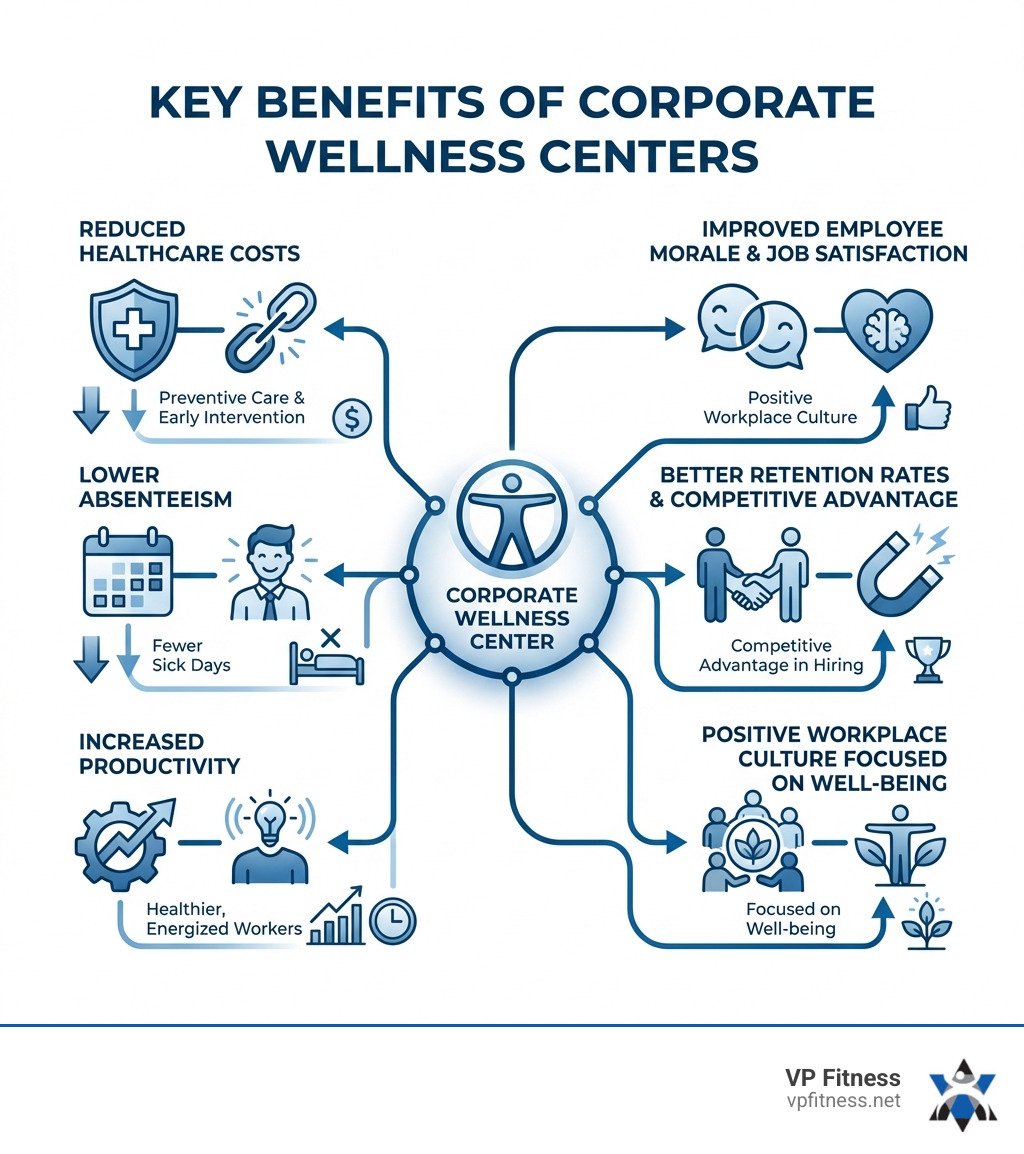
Implementing a corporate wellness center is not just a kind gesture; it’s a strategic business decision with clearly defined goals that benefit everyone involved. We aim to achieve several key objectives:
- Improve employee health: This is the most direct goal. By offering resources and education, we help employees adopt healthier lifestyles, improve their physical fitness, and better manage existing health conditions.
- Reduce health risks: Many chronic diseases are preventable or manageable through lifestyle changes. Our programs help identify and mitigate risk factors for conditions like heart disease, diabetes, and obesity, which, as we know, account for a staggering 86% of total U.S. medical costs.
- Lower healthcare costs: Healthy employees mean fewer doctor visits, less reliance on prescription medications, and ultimately, lower insurance premiums for the company. The statistics show that companies benefit from double-digit decreases in sick leave, hospital admissions, and workers’ compensation costs.
- Boost productivity: A healthy employee is a productive employee. When individuals feel good, they have more energy, focus better, and are more engaged in their work. This directly translates to higher output and better quality work.
- Improve employee morale: Investing in employee well-being sends a clear message: “We care about you.” This fosters a sense of appreciation and loyalty, leading to a happier, more motivated workforce.
- Improve retention: In today’s competitive job market, companies are constantly looking for ways to attract and keep top talent. A robust corporate wellness center can be a significant draw, demonstrating a commitment to employee welfare that sets a company apart. Recruitment is expensive, and a healthy workplace environment can significantly increase employee retention, improving company satisfaction scores and serving as a great asset when hiring.
- Create a positive workplace culture: Wellness initiatives can foster a supportive, collaborative, and health-conscious environment. When colleagues encourage each other in their health journeys, it builds camaraderie and a shared sense of purpose beyond daily tasks. This kind of culture contributes to a more resilient and dynamic organization.
The Core Components of a Successful Program
To truly make an impact, a corporate wellness center must accept a holistic approach, recognizing that well-being extends far beyond just physical fitness. We believe a successful program weaves together comprehensive strategies that address various dimensions of an employee’s life. The CDC emphasizes a coordinated and comprehensive set of health promotion and protection strategies, including programs, policies, benefits, and environmental supports, all designed to encourage the health and safety of all employees. You can find more details on a comprehensive set of strategies according to the CDC.

Physical Wellness
This is often the most visible aspect of a corporate wellness center, but it’s crucial to ensure it’s inclusive and adaptable to all fitness levels and preferences. Our approach focuses on empowering individuals with the knowledge and tools to move their bodies effectively and safely.
- Fitness facilities: While not every company needs an Olympic-sized pool, access to well-equipped fitness spaces—whether on-site, through partnerships, or designated areas within the workplace—is a cornerstone. This could include a dedicated space for strength training, cardio, or even just stretching.
- Group exercise classes: Offering diverse classes like yoga, Pilates, or high-intensity interval training (HIIT) can foster community and provide structured workouts. The key is variety and expert instruction, making sure classes are welcoming for beginners while still challenging for seasoned enthusiasts.
- Personal training: This is where individualized guidance truly shines. Personalized fitness plans, custom to an employee’s specific goals, fitness level, and any physical limitations, are incredibly effective. A certified personal trainer can provide accountability, correct form, and progressive programming, helping individuals achieve results they might not on their own. This is a core part of our expertise.
- Ergonomic assessments: Ensuring workstations are set up correctly can prevent musculoskeletal issues, a common complaint in office environments. Simple adjustments can make a big difference in comfort and long-term health.
- Health screenings: Regular screenings for blood pressure, cholesterol, blood sugar, and other key indicators provide employees with vital information about their health status. These can act as early warning systems, encouraging timely intervention. Biometrics screenings, for instance, can include tests for total cholesterol, HDL, LDL, triglycerides, fasting glucose, resting blood pressure, and waist circumference, offering a clear picture of metabolic health.
- Nutrition counseling: What we eat fuels our bodies and minds. Providing access to registered dietitians or nutrition workshops can help employees make informed dietary choices, whether it’s understanding portion control, healthy meal prepping, or managing specific dietary needs.
- Smoking cessation programs: For those looking to quit, structured support programs can significantly increase their chances of success, leading to profound long-term health benefits.
Mental and Emotional Well-being
In today’s world, mental and emotional health are just as critical as physical health. A comprehensive corporate wellness center must address these needs directly.
- Stress management workshops: Learning techniques to cope with workplace and personal stress is invaluable. These workshops can cover topics from time management to boundary setting, equipping employees with practical tools.
- Mindfulness and meditation sessions: Regular practice of mindfulness can reduce anxiety, improve focus, and improve overall emotional regulation. These can be offered as guided sessions, quiet spaces, or through apps.
- Access to counseling services: Providing confidential access to mental health professionals, either on-site or through external partnerships, ensures employees have a safe space to discuss challenges and receive professional support.
- Employee Assistance Programs (EAPs): EAPs are confidential programs that help employees with personal and work-related problems that might affect their job performance, health, and mental and emotional well-being.
- Resiliency training: Helping employees develop coping mechanisms and bounce back from adversity is crucial for navigating life’s inevitable ups and downs. This training builds mental fortitude and adaptability.
Financial and Social Wellness
Often overlooked, financial stability and strong social connections are integral to overall well-being.
- Financial planning workshops: Stress about money can be a huge drain on productivity and mental health. Workshops on budgeting, debt management, retirement planning, and investing can empower employees to take control of their financial future.
- Retirement planning resources: Providing guidance and resources for long-term financial security helps employees feel more secure about their future, reducing a significant source of stress.
- Team-building activities: Opportunities for colleagues to connect outside of work tasks foster camaraderie, improve communication, and build a stronger, more supportive workplace culture.
- Community volunteer opportunities: Engaging in philanthropic activities can boost morale, create a sense of purpose, and allow employees to give back to the local community, strengthening social bonds and company pride.
The concept of wellness is broad, encompassing many aspects of our lives. Here are the 7 dimensions of wellness:
- Physical
- Emotional
- Intellectual
- Social
- Spiritual
- Environmental
- Career
The ROI of a Corporate Wellness Center: Benefits for Employers and Employees
Investing in a corporate wellness center isn’t just about being a good employer; it’s a smart business case. It’s a strategic investment that yields tangible returns for both the organization and its people, creating mutual benefits that foster a thriving environment.

How Employers Benefit
The financial and operational advantages for employers who implement a robust corporate wellness center are significant and well-documented.
- Reduced healthcare costs: By promoting preventive care and healthier lifestyles, companies can significantly lower their overall healthcare expenditures. Healthier employees mean fewer claims, less reliance on expensive treatments for chronic conditions, and potentially lower insurance premiums. 70% of healthcare costs in the United States are preventable, and chronic conditions account for 86% of total U.S. medical costs.
- Decreased absenteeism and sick leave: Healthy employees take fewer sick days. When employees are physically and mentally well, they are more likely to be present and engaged at work. Returns on investment have shown double-digit decreases in sick leave.
- Increased productivity: A workforce that feels better physically and mentally is naturally more productive. Employees with higher energy levels, better focus, and reduced stress perform at their peak. This directly impacts your company’s bottom line.
- Lower workers’ compensation costs: By addressing physical fitness, ergonomics, and stress, wellness programs can reduce workplace injuries and related workers’ compensation claims, again showing double-digit decreases in per capita workers compensation costs.
- Improved employee retention and recruitment: In today’s competitive job market, a comprehensive corporate wellness center is a powerful differentiator. It signals to prospective and current employees that their well-being is a priority, making your company more attractive for hiring and helping to retain valuable talent. Recruitment is expensive; a healthy workplace environment is a great asset when hiring and can increase employee retention.
- Positive company image: Companies that prioritize employee well-being are viewed more favorably by the public, customers, and potential employees. This improves your brand reputation and positions you as a responsible and caring organization.
- Addressing chronic disease costs: As highlighted earlier, chronic diseases and injuries cost U.S. employers $575 billion dollars in lost productivity each year. Wellness programs directly combat this by helping prevent and manage these conditions.
How Employees Benefit
For employees, the advantages of a corporate wellness center are deeply personal and contribute to a better quality of life both inside and outside of work.
- Improved physical health: Access to fitness programs, health screenings, and nutrition guidance directly leads to better physical condition, increased strength, and greater overall vitality.
- Better mental health and reduced stress: Through stress management techniques, mindfulness, and access to mental health resources, employees can steer challenges more effectively, leading to reduced anxiety and improved emotional well-being.
- Increased job satisfaction and morale: Feeling supported by their employer and having the resources to improve their health contributes significantly to job satisfaction. A happy, healthy employee is also a productive one.
- Improved work-life balance: Wellness programs often encourage healthier habits that extend beyond the workday, helping employees manage their personal lives more effectively and achieve a better balance.
- Access to convenient health resources: Having health and wellness resources readily available, whether on-site or virtually, removes barriers to participation and makes it easier for employees to prioritize their health.
- Personal growth and development: Engaging in wellness activities can lead to new skills, increased self-awareness, and a greater sense of accomplishment, fostering personal growth that enriches their entire life.
Designing and Implementing Your Program
Creating an effective corporate wellness center requires thoughtful strategic planning, a thorough needs assessment, and unwavering leadership buy-in. We understand that a one-size-fits-all approach rarely works, which is why we advocate for a systematic process. The CDC’s Workplace Health Model outlines a step-by-step approach for building a robust program, emphasizing assessment, planning, implementation, and evaluation. You can learn more about the CDC’s Workplace Health Model.
Choosing the Right Model for Your Company
The ideal structure for your corporate wellness center depends heavily on your company’s size, budget, culture, and geographic distribution. Here’s a look at the main models:
| Model | Cost | Accessibility | Engagement | Space Requirements |
|---|---|---|---|---|
| On-Site | High initial investment; Ongoing maintenance | Excellent for employees at a single location | High due to convenience and peer interaction | Requires dedicated physical space (gym, wellness room) |
| Virtual | Lower initial cost; Subscription-based | High, accessible from anywhere with internet access | Varies; relies on self-motivation and digital tools | Minimal to none (employees use personal devices/spaces) |
| Hybrid | Moderate; Blends physical and digital investments | Good; combines local facilities with remote access | Moderate to high; balances in-person connection with flexibility | Some physical space for on-site elements; digital platform |
For companies with a central office, considering a hybrid model might be particularly effective, allowing for local, in-person activities while also supporting employees who may work remotely or have varied schedules.
Assessing Employee Needs and Tailoring the Program
A successful corporate wellness center isn’t built on assumptions; it’s built on understanding. We begin by assessing the unique needs and interests of your employees.
- Surveys: Anonymous surveys are excellent for gathering broad insights into health concerns, preferred activities, and potential barriers to participation.
- Health risk assessments (HRAs): These confidential tools help individuals understand their current health status and potential risks, while providing aggregate data (without identifying individuals) for the company to pinpoint prevalent health issues within the workforce.
- Focus groups: Small, guided discussions can provide qualitative data, offering deeper insights into employee perspectives, challenges, and desires for wellness programming.
- Anonymous feedback channels: Maintaining open and confidential channels for feedback ensures that the program remains relevant and responsive to evolving employee needs.
- Customization: Armed with this data, we can tailor the corporate wellness center offerings to address specific pain points and maximize engagement. If stress is a major concern, we might prioritize mindfulness workshops. If physical inactivity is prevalent, we’d focus on accessible fitness challenges. This ensures that the program resonates with your unique workforce.
The Critical Role of Leadership and Overcoming Challenges
The success of any corporate wellness center hinges significantly on the visible and authentic support of leadership. When executives champion wellness, participate in programs, and communicate its importance, it sets a powerful example and fosters a culture where well-being is truly valued. Leaders’ support drives participation and signals that wellness is a key business imperative.
However, implementing these programs isn’t without its challenges:
- Budget constraints: Wellness initiatives require investment. Overcoming this involves demonstrating the clear ROI to leadership, showing how reduced healthcare costs and increased productivity offset initial expenses.
- Low employee engagement: If programs aren’t custom to employee needs or aren’t communicated effectively, participation can lag. Regular feedback, diverse offerings, and incentives can boost engagement.
- Ensuring confidentiality: Employees must trust that their health information will remain private. Clear privacy policies and secure data management are paramount. A Privacy Impact Assessment (PIA) can help identify and mitigate potential risks.
- Time constraints: Employees are busy. Offering flexible scheduling, virtual options, and integrating wellness into the workday (e.g., walking meetings, short stretch breaks) can help overcome this.
- Creating a supportive culture: Wellness shouldn’t be seen as an add-on but as an integral part of the company culture. This requires ongoing communication, celebration of successes, and continuous reinforcement from all levels of management.
Measuring Success and Embracing Future Trends
A truly effective corporate wellness center is never static. We believe in continuous improvement, driven by data analysis and a keen eye on innovation and technology integration. Measuring the impact of your initiatives is crucial for demonstrating value and refining your offerings.
How to Measure Effectiveness and ROI
To prove the value of your corporate wellness center, you need concrete metrics. We track several key performance indicators (KPIs):
- Engagement rates: How many employees are participating in various programs? Are they consistently engaged? This can be tracked through attendance, app usage, or program sign-ups.
- Biometric screening results: Comparing aggregate health data (like blood pressure, cholesterol, and BMI) over time can show improvements in the workforce’s overall health profile.
- Absenteeism rates: A direct measure of employee presence. A decrease in sick days and unscheduled absences indicates improved health and morale. Returns on investment often include double-digit decreases in sick leave.
- Employee satisfaction scores: Surveys can gauge how employees feel about the wellness program and their overall job satisfaction. Happy employees are often healthier and more productive.
- Healthcare cost analysis: This is a critical financial metric. Analyzing trends in insurance claims, prescription costs, and workers’ compensation can demonstrate the direct financial return on your wellness investment.
- Retention statistics: A healthy, supportive workplace contributes to lower turnover. Tracking employee retention rates can show the impact of wellness on keeping your valuable talent.
By consistently evaluating these metrics, we can celebrate successes, identify areas for improvement, and ensure your corporate wellness center continues to deliver maximum value.
The Future of the Corporate Wellness Center
The landscape of corporate wellness is constantly evolving, driven by technological advancements and a deeper understanding of human well-being. We anticipate several exciting trends shaping the future of the corporate wellness center:
- Wearable technology integration: Fitness trackers and smartwatches are becoming ubiquitous. Integrating data from these devices (with employee consent) can provide personalized insights and fuel engaging wellness challenges.
- Hyper-personalization: Moving beyond one-size-fits-all, future programs will leverage AI and data to offer highly individualized recommendations for fitness, nutrition, and mental health resources, tailoring the experience to each employee’s unique needs and preferences.
- Increased focus on mental health: As societal awareness grows, mental health support will become an even more central pillar of corporate wellness, with expanded access to therapy, digital mental health tools, and proactive resilience training.
- Virtual and augmented reality fitness: Immersive technologies could transform how employees engage with fitness, offering virtual group classes, gamified workouts, and even augmented reality coaching experiences, especially beneficial for remote or hybrid teams.
- Financial wellness as a core component: Recognizing the profound impact of financial stress, more companies will integrate robust financial education and planning resources into their wellness offerings, helping employees achieve economic security.
- Telehealth services: The convenience of virtual doctor visits and online consultations for various health needs will continue to expand, making healthcare more accessible and time-efficient for employees.
Conclusion
A corporate wellness center is far more than a perk; it’s a strategic imperative for any forward-thinking organization. We’ve seen how it can transform workplaces, fostering environments where employees are healthier, happier, and more productive. From significantly reducing healthcare costs and absenteeism to boosting morale and improving retention, the benefits for both employers and employees are undeniable.
By investing in the well-being of your people, you’re not just implementing a program; you’re adopting a long-term strategy that cultivates a resilient, engaged, and high-performing workforce. A healthy workforce isn’t just a goal; it’s the foundation of a thriving, successful company.
We are proud to bring our expertise in personalized fitness and holistic wellness to businesses, helping them build vibrant corporate wellness center solutions custom to their unique needs. We believe in empowering individuals and strengthening organizations, one healthy step at a time. Let us help you build a healthier future for your team.